Republicans decry Trump ally fund, ignore his tax protections
Republicans blasted Trump’s $1.776 billion payout fund, but left standing a settlement that shut down IRS scrutiny of Trump, his family and businesses.
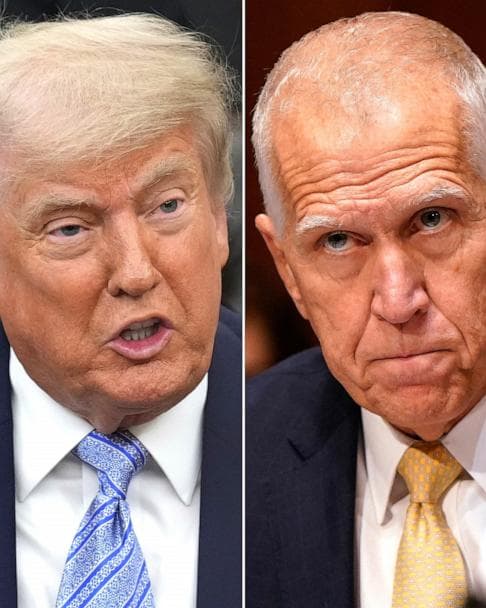
Republican anger centered on the money. The Trump administration’s $1.776 billion Anti-Weaponization Fund, created after President Donald Trump dropped his IRS lawsuit, drew fire from senators who feared it could send taxpayer dollars to Trump allies, including people tied to the Jan. 6 attack. Sen. Thom Tillis called it a “payout pot for punks,” said “It makes no sense,” and warned, “Whoever did it should be fired.” The backlash was strong enough to help stall a $72 billion immigration enforcement package as senators demanded the fund be taken off the table.
What drew less Republican outrage was the separate tax protection embedded in the same settlement. The Justice Department later added language that barred the IRS from pursuing “any and all claims” tied to tax returns filed before the settlement date, covering Trump, his family members, the Trump Organization, and related trusts, affiliates and subsidiaries. The addendum also swept in pending audits, and Acting Attorney General Todd Blanche later said the administration was abandoning only the compensation fund, not that part of the deal.
That protection went far beyond what ordinary taxpayers can expect. Tax experts said the agreement effectively froze existing IRS scrutiny of a president’s past returns, a step former IRS commissioner John Koskinen called a “terrible precedent.” PolitiFact noted that the order was unprecedented and difficult to reverse, while the Justice Department’s own wording said the bar applied to existing audits, not future filings.
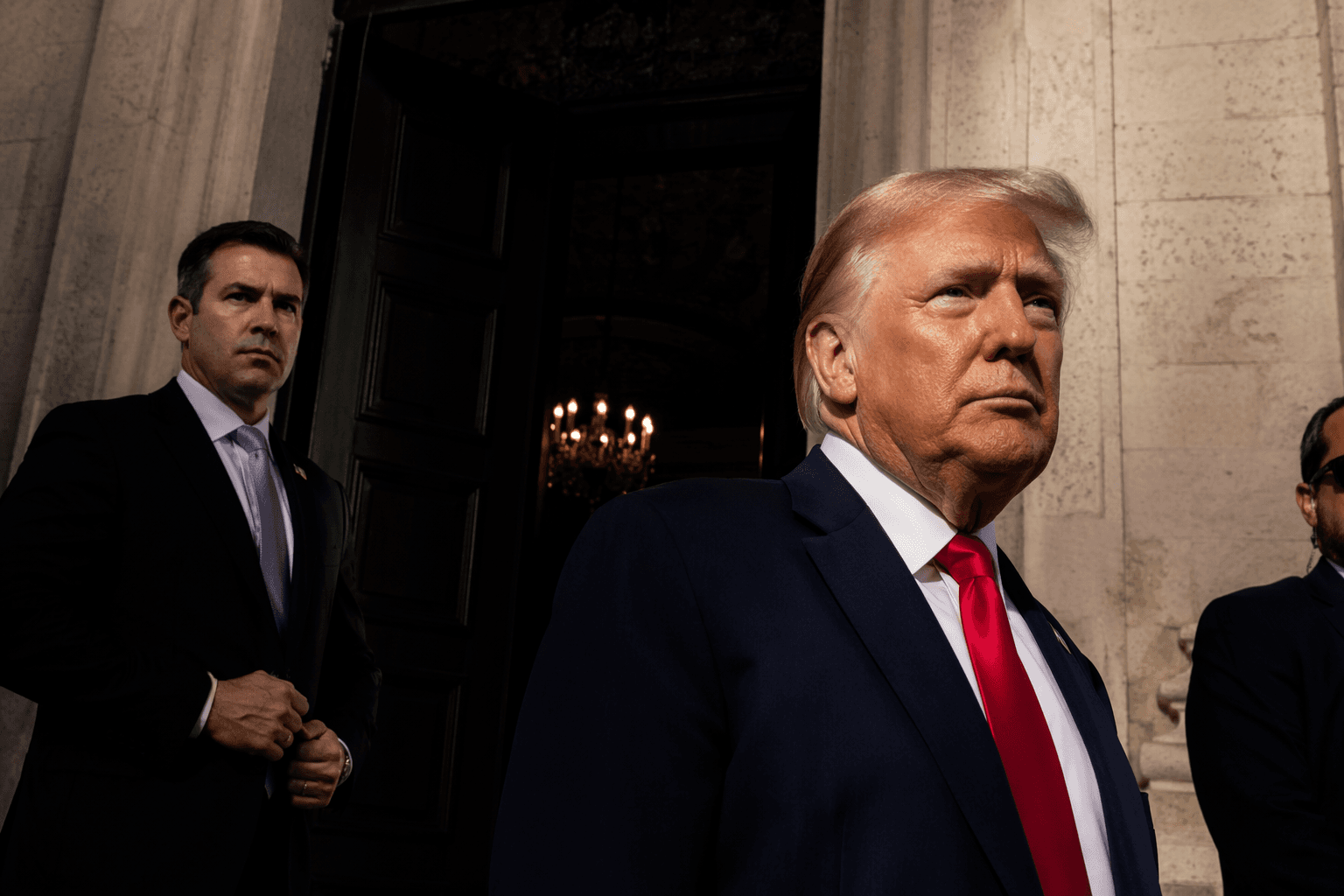
The result was a split-screen of accountability. Republicans were willing to fight a fund they saw as a political giveaway, but the same officials largely accepted a settlement that gave Trump and his business network special protection from the tax agency that ordinary Americans do not receive. The fight over the $1.8 billion pot exposed the larger question beneath it: whether presidential power was being used to rewrite IRS enforcement for one man and the circle around him.
This article was produced by Prism’s automated news system from verified source data, official records, and press releases, then run through automated quality and moderation checks before publishing. The system is built and supervised by the people who set the standards it runs under. Read our full AI policy.
Know something we missed? Have a correction or additional information?
Submit a Tip