Republicans face midterm squeeze as economy and Iran war unsettle voters
Trump keeps winning GOP primaries, but 63% of Republicans worry about gas and a widening Iran war is lifting prices just as midterm battlegrounds tighten.
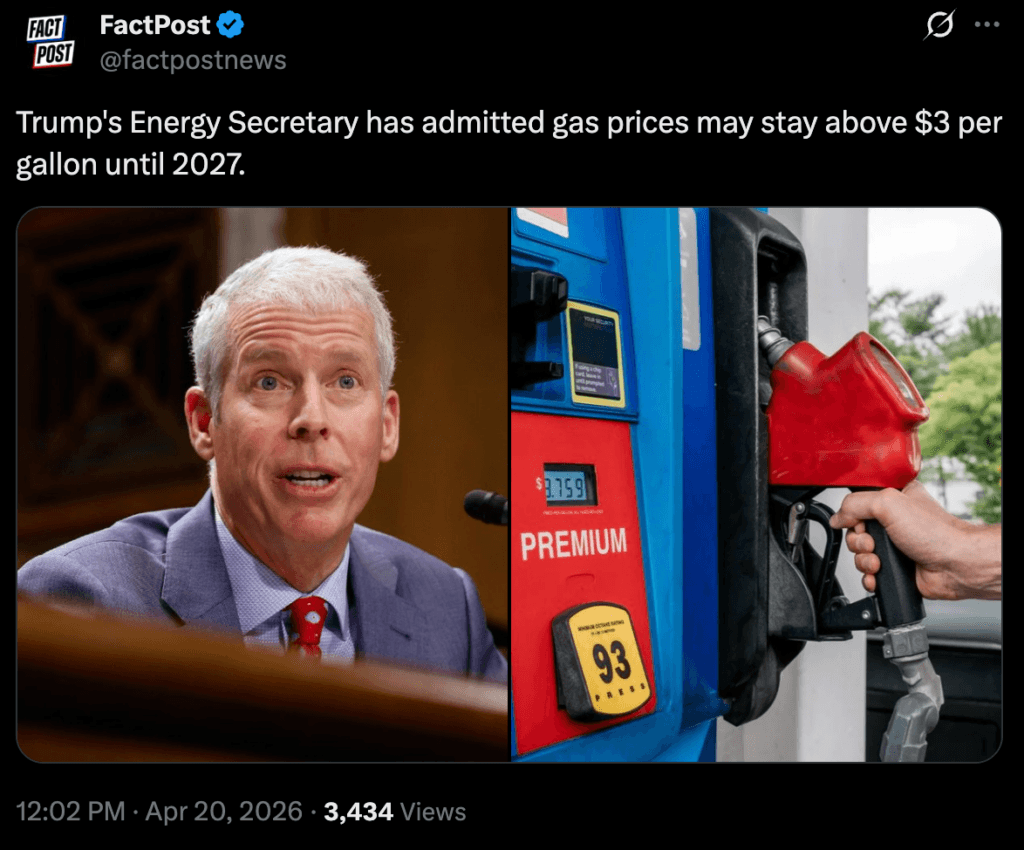
Donald Trump is proving he can still dominate Republican primaries, but the stronger test may come in November, where gas prices, inflation pressure and a war in Iran are shaping a far less forgiving electorate.
His latest wins have reinforced his grip on the party. Trump backed Ken Paxton in Texas, where Paxton beat Sen. John Cornyn in a runoff. In Indiana, Trump helped defeat five Republican state senators who opposed mid-decade redistricting. In Louisiana, Bill Cassidy was blocked from advancing. In Kentucky, Thomas Massie lost to Trump-backed Ed Gallrein, who won 54% of the GOP primary vote in what NBC News said was the most expensive House primary in history by ad spending.

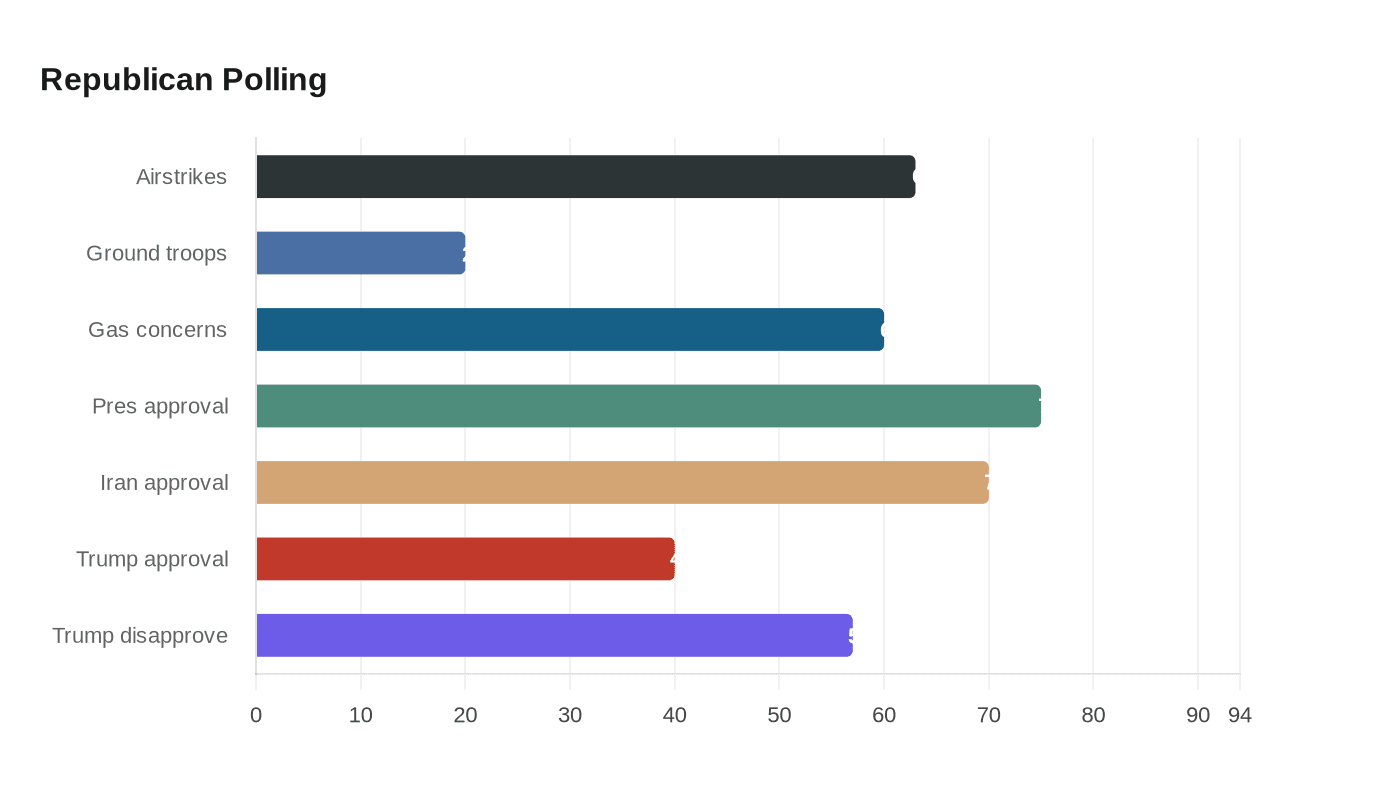
That strength inside the party, however, is colliding with a national mood that looks far less friendly to Republicans. An AP-NORC poll found 63% of Republicans supported airstrikes against Iranian military targets, but only 20% backed deploying U.S. ground troops. Even so, about 6 in 10 Republicans said they were at least somewhat concerned about affording gas in the next few months, a warning sign as the war pushes oil-and-gas costs higher.
The political damage is already visible in battleground states. Republicans in Nevada are feeling higher gas prices. In Pennsylvania, fertilizer costs are climbing. In Michigan, supply-chain strains are adding another layer of economic anxiety. Some GOP county chairs fear the conflict could blunt turnout among Trump’s own America First voters, the same bloc that has powered his primary run.
The broader numbers are not encouraging for the party in power. Brookings said Trump’s approval had fallen to around 40% by late April, with disapproval at 57%. For the first time since 2010, Democrats were more trusted than Republicans on the economy. AP also reported that Trump’s approval on the economy had slumped as the Iran war drove prices higher, even as roughly three-quarters of Republicans still approved of his handling of the presidency and about 70% approved of his handling of Iran.
That leaves Republicans defending a difficult map. In 2026, they are protecting 22 Senate seats compared with 13 for Democrats, and Democrats need a net gain of four seats to take control. Republicans also face a narrow House majority in a midterm landscape that has historically punished the president’s party, which has lost ground in 20 of the past 22 House midterms since 1938. Brookings said Democrats now have a serious chance to flip GOP-held seats in North Carolina, Maine, Alaska and Ohio, while Iowa and Texas are no longer sure bets. Trump can still command the primary electorate. The open question is whether that power reaches suburban independents and softer Republicans when the ballot broadens in November.
This article was produced by Prism’s automated news system from verified source data, official records, and press releases, then run through automated quality and moderation checks before publishing. The system is built and supervised by the people who set the standards it runs under. Read our full AI policy.
Know something we missed? Have a correction or additional information?
Submit a Tip