Republicans urge Garland to halt marijuana rescheduling plan over science concerns
Twenty-five Republicans said marijuana rescheduling rested on shaky science, even as the plan would have kept federal criminal bans in place.

Republicans stepped up pressure on Merrick Garland in July 2024, warning that the Justice Department’s plan to move marijuana from Schedule I to Schedule III rested on politics, not science. The bicameral letter, led by Sen. James Lankford of Oklahoma and Rep. Pete Sessions of Texas, was signed by 25 Republican lawmakers, including nine senators and 16 House members.
The dispute went far beyond symbolism. Under the May 2024 proposal, marijuana would have remained federally illegal even if it moved to Schedule III. The Federal Register said manufacture, distribution, dispensing and possession would still be subject to applicable criminal prohibitions, while the public comment period closed on July 22, 2024. The move followed an August 2023 recommendation from the Department of Health and Human Services that marijuana had a currently accepted medical use.
For critics such as Kevin Sabet of Smart Approaches to Marijuana, the issue was whether the government was dressing up a political decision as a scientific one. The lawmakers said the change lacked adequate science and warned that relaxing marijuana’s status could send the wrong message on public safety and youth access. Their argument leaned on the long-standing federal framework: Congress placed marijuana in Schedule I in 1970 when it enacted the Controlled Substances Act, and the Congressional Research Service says Schedule I drugs are treated as having no currently accepted medical use and face the strictest federal controls.
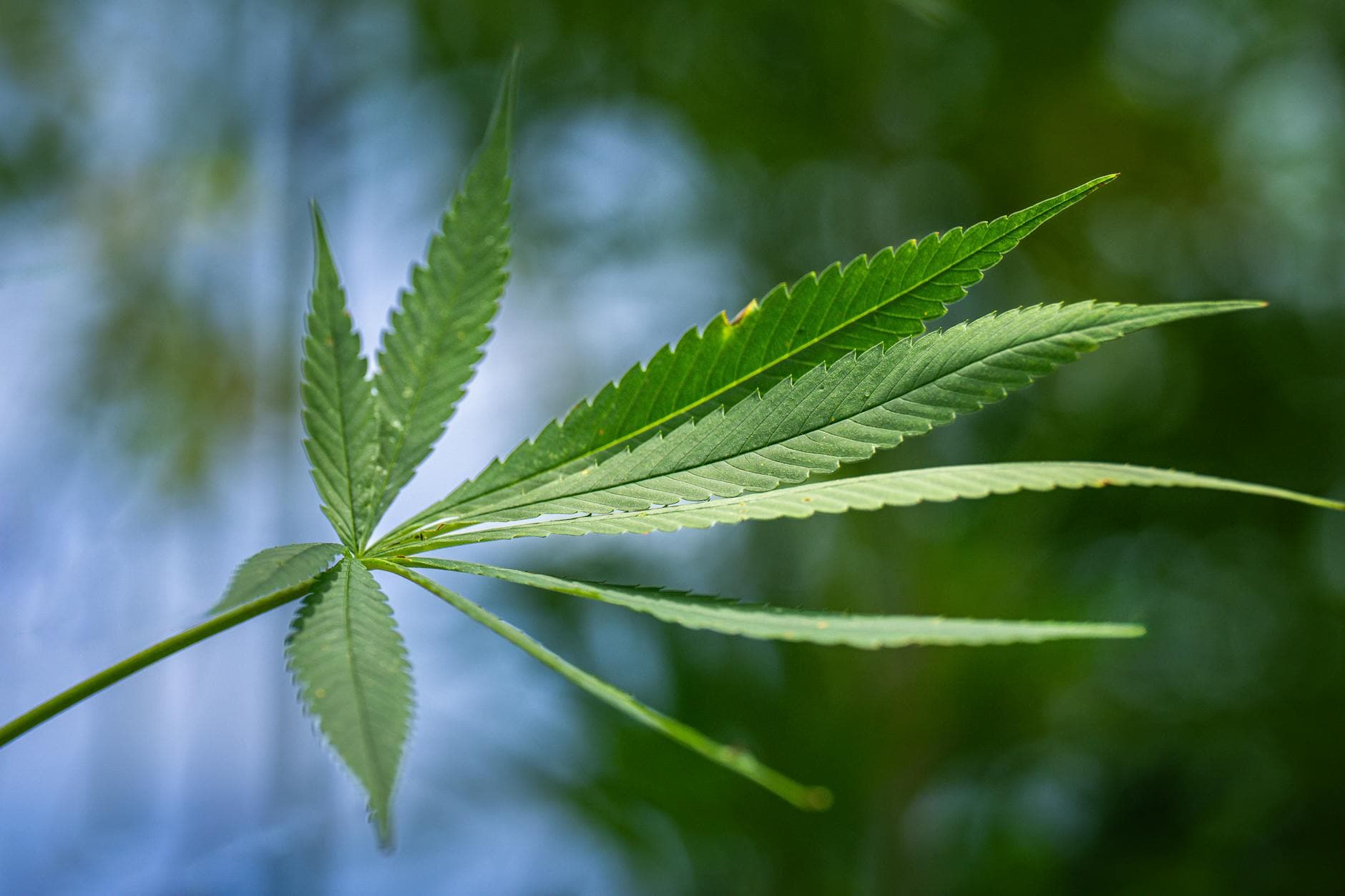
The policy fight mattered because Schedule III would have changed how marijuana is treated in practice. Moving it out of Schedule I could ease barriers to research, especially for medical studies that have faced added federal scrutiny, while also carrying possible tax consequences for marijuana businesses. At the same time, it would not have legalized marijuana nationwide, leaving the core federal prohibition intact and sharpening the debate over whether rescheduling was a real reform or only a new label.
That fight remained politically potent in 2026. The Justice Department announced a new Trump administration move to place state-licensed medical marijuana and FDA-approved marijuana products in Schedule III and set a hearing for June 29, 2026. The department said the change would expand research access, while Republicans including Sen. Tom Cotton called it “a step in the wrong direction.” POLITICO reported that the move could lend new legitimacy to regulated medical marijuana programs in more than 40 states, underscoring how much the battle still turned on what reclassification would change in law, medicine and enforcement.
This article was produced by Prism’s automated news system from verified source data, official records, and press releases, then run through automated quality and moderation checks before publishing. The system is built and supervised by the people who set the standards it runs under. Read our full AI policy.
Did this article answer your question?

