Resident doctors end three-year pay dispute after accepting government offer
Resident doctors backed the government's latest offer, ending 15 strikes since 2023 and unlocking pay rises of up to 7.1% for the lowest-paid trainees.
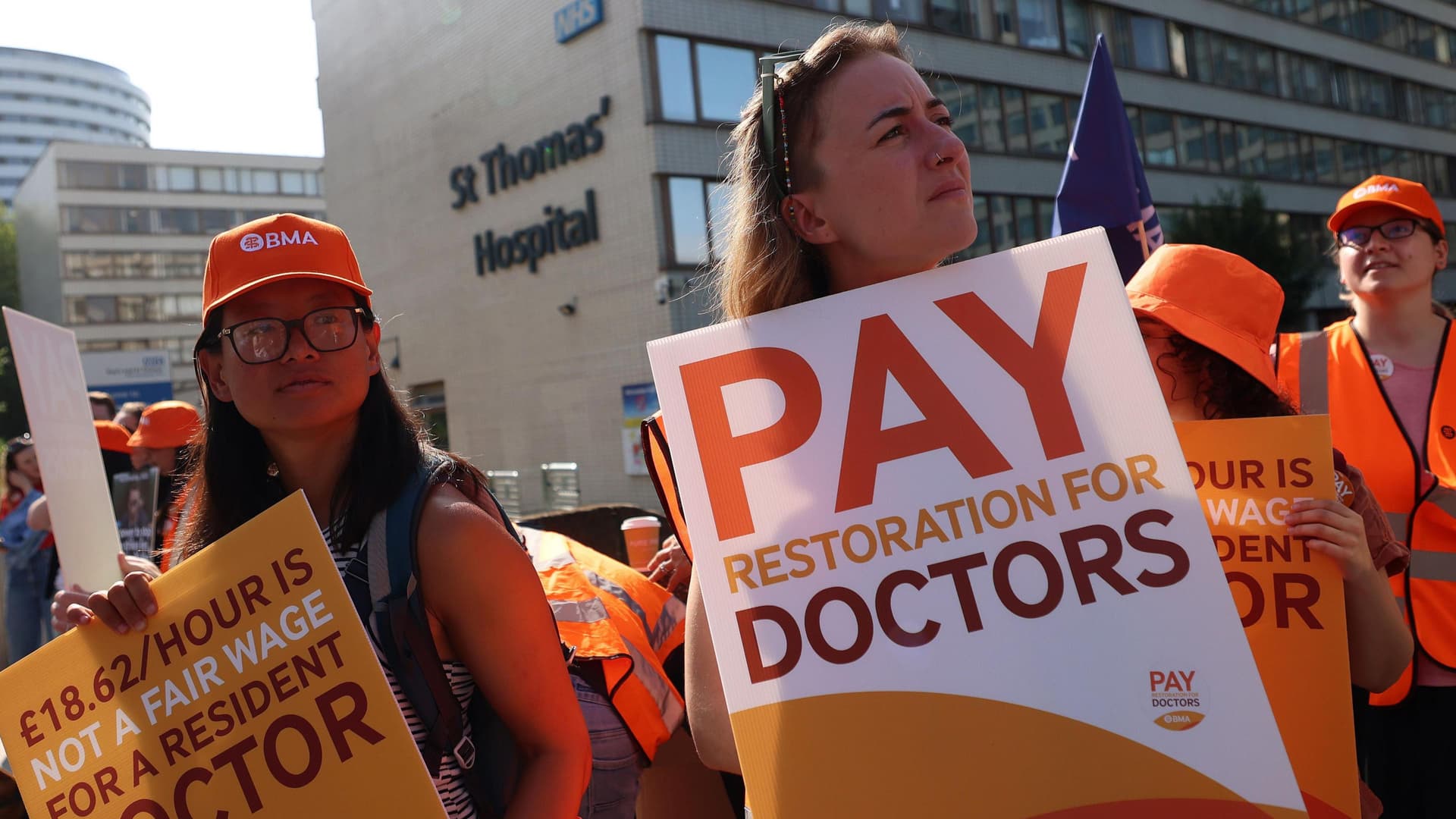
Resident doctors have ended their three-year pay dispute after 53% of eligible British Medical Association members voted for the government's latest offer, with turnout at 57% and 32,932 doctors casting ballots. The agreement closes a confrontation that the BMA said had triggered 15 rounds of industrial action since 2023 and left hundreds of thousands of appointments cancelled across the National Health Service.
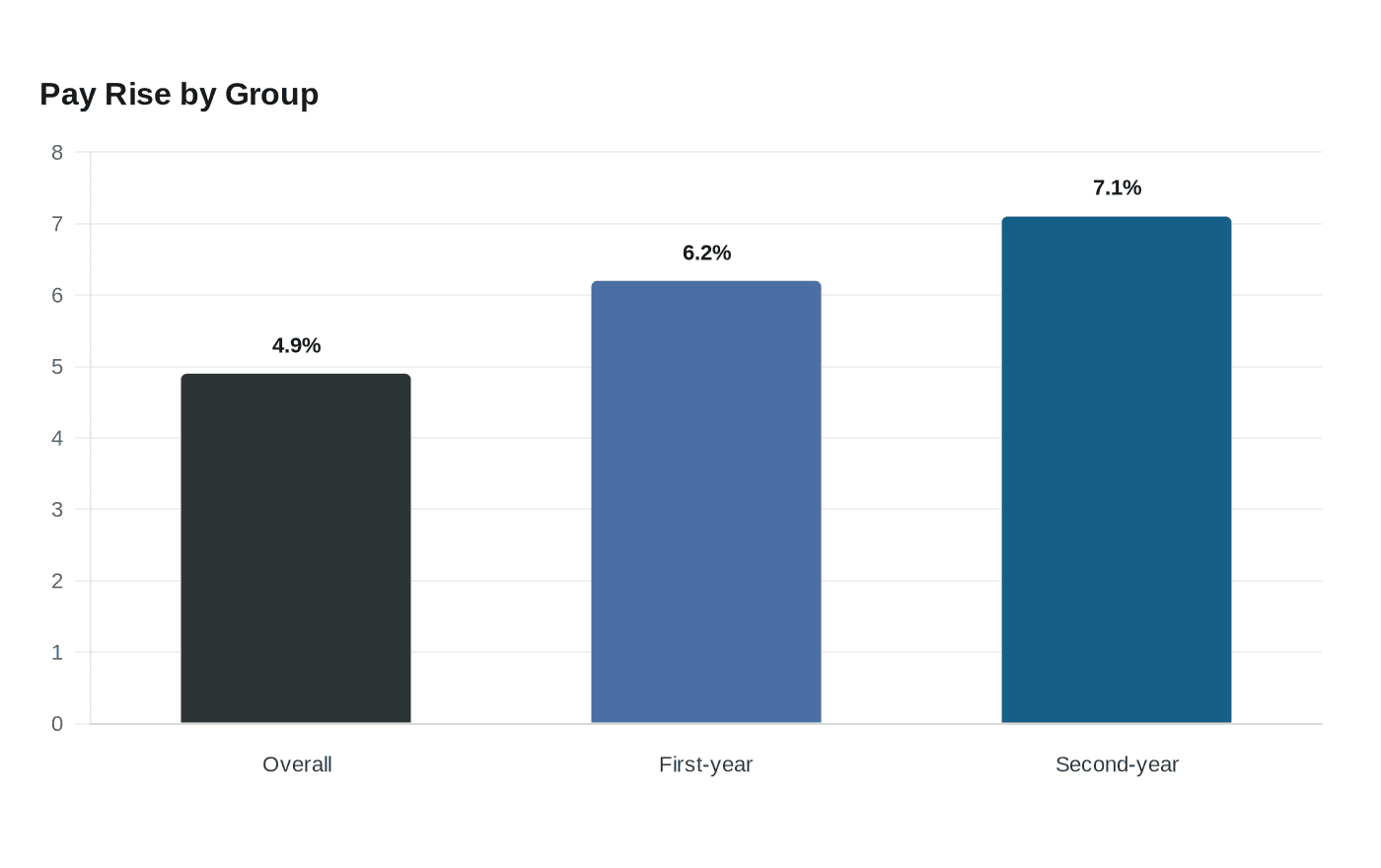
The settlement gives ministers a face-saving measure and the health service a break from recurring walkouts, but it also sets out the price of peace in hard numbers. The government said resident doctors have already received a 28.9% pay rise over the past three years, and under the new offer they would get an average increase of 4.9% this year. That would leave them, on average, 35.2% better off than four years ago if the deal is implemented. The lowest paid first-year resident doctors would receive an average rise of 6.2%, while second-year doctors would get 7.1%.

The offer goes beyond pay. It includes more training jobs, faster progression through the pay structure and support to cover out-of-pocket costs such as exam fees. For a workforce stretched by long shifts, rising living costs and years of conflict with employers, those provisions are intended to do more than defuse the immediate dispute: they are meant to make remaining in NHS training posts more viable.
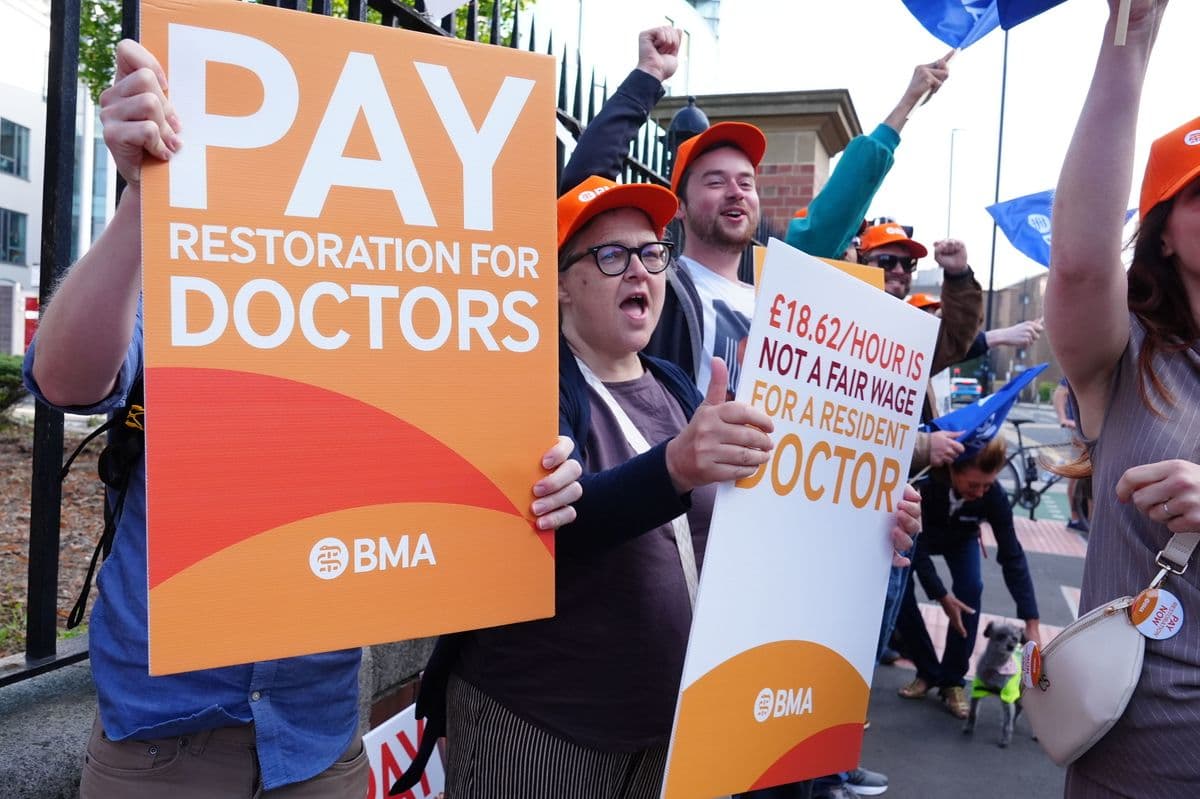
The government had tabled its revised offer after the BMA resident doctors committee called off strike action planned for 15-19 June so members could vote. NHS England said a small team led by Sir Glen Burley and Prof Meghana Pandit had been working closely with BMA leaders since the start of 2026 to secure a deal. A new Resident Doctors Industrial Relations Committee will now be set up, bringing together the Department of Health and Social Care, NHS England, NHS Employers and the BMA UK Resident Doctors Committee to monitor how the agreement is carried out.
Patients may feel the first immediate benefit simply in the absence of new strikes, but the deeper test is whether the settlement stabilises staffing or only pauses the pressure. Resident doctors, the term now used for the doctors formerly known as junior doctors, remain central to rotas across England, and the government is betting that better pay, faster progression and lower training costs will reduce the churn that has strained hospitals for years. If those changes do not hold, the dispute may have ended without solving the workforce crisis that drove it.
This article was produced by Prism’s automated news system from verified source data, official records, and press releases, then run through automated quality and moderation checks before publishing. The system is built and supervised by the people who set the standards it runs under. Read our full AI policy.
Did this article answer your question?