What a gastroenterologist wants you to know about bidets
Bidets can clean more gently than toilet paper, but gastroenterologists say the evidence for hemorrhoid relief is mixed and too much water can still irritate skin.
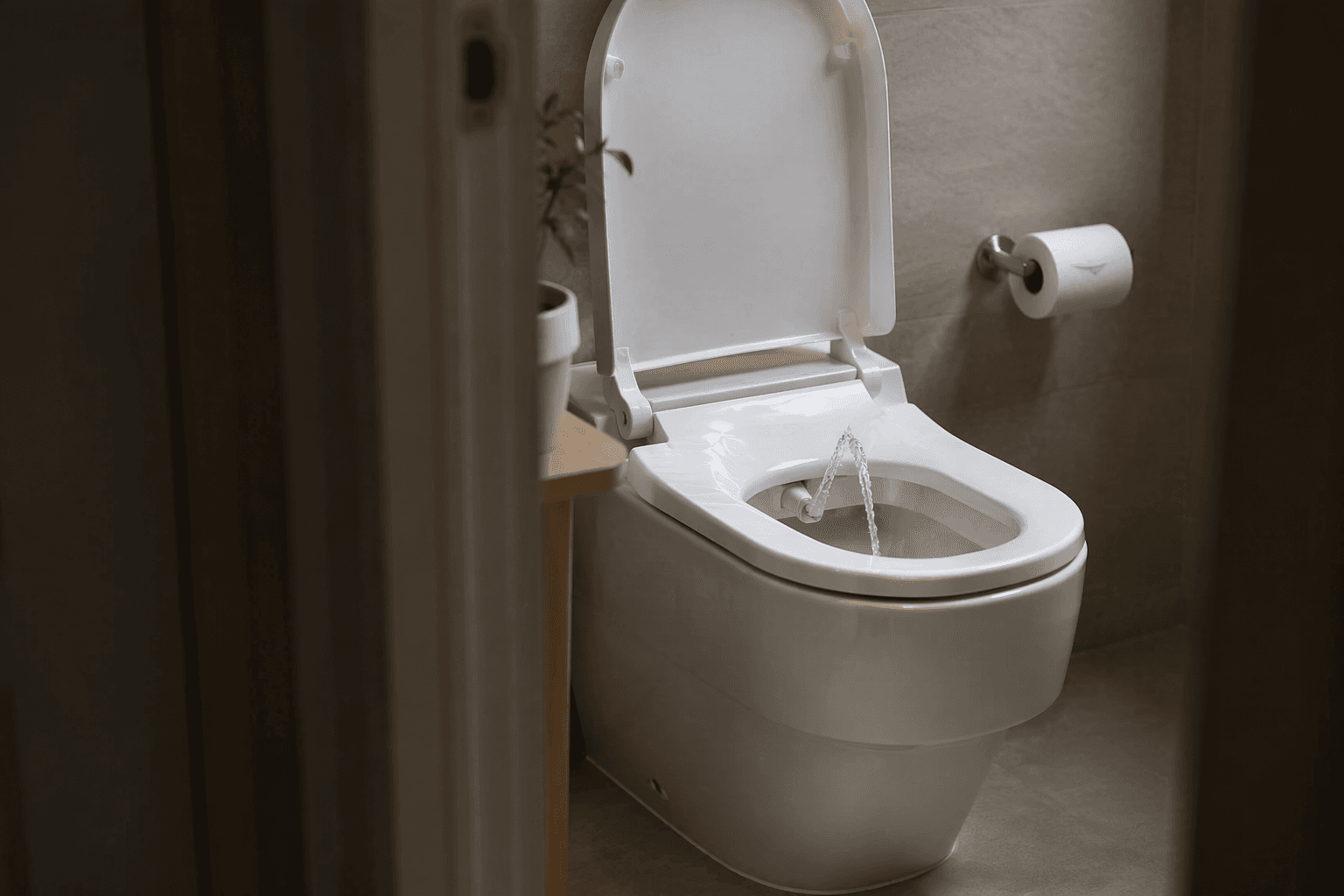
A 2020 Japanese consumer survey cited in the medical literature found that 80.2% of households had a bidet toilet and that ownership reached 114.5 units per 100 households. Bidets can clean more gently than toilet paper, but they are not a cure-all for hemorrhoids, itching, or other digestive problems. Trisha Pasricha, a Washington Post contributing columnist and gastroenterologist at Beth Israel Deaconess Medical Center, says she keeps hearing from people who are “bidet-curious but not yet bidet-ready,” and the medical evidence helps explain why.
What bidets can do
The basic appeal of a bidet is simple: water can remove stool without the friction that comes from repeated wiping. That makes bidets appealing for people with sore skin, recent irritation, or a strong preference for a cleaner feeling after using the bathroom.
In Japan, electric bidet toilets have been used widely since their introduction to the market in 1967.
What the evidence says about hemorrhoids
For hemorrhoids, the research is mixed rather than miraculous. A 2022 systematic review found no impact on hemorrhoid odds or hemorrhoidal symptoms in some studies, which means bidets should not be sold as a guaranteed treatment. The same review identified one randomized trial in which bidets were non-inferior to sitz baths for pain after hemorrhoidectomy, so water cleaning can have a role in comfort after surgery.
A device that eases post-procedure pain is not the same as a therapy that prevents hemorrhoids from forming or makes them disappear. For patients already dealing with bowel symptoms, constipation, or rectal bleeding, the bidet may fit best as a supportive hygiene tool, not as a substitute for medical evaluation or evidence-based care.
A separate 2018 follow-up survey in Japan found that habitual bidet use did not significantly increase hemorrhoids or urogenital infections overall. Even so, the same study found that men who used bidets more habitually reported more newly experienced irritated anal skin symptoms during follow-up.
When a bidet creates new problems
The biggest downside is not that water is inherently harmful. Skin around the anus is delicate, and overuse or improper use can turn a cleaning routine into a source of pruritus ani, burning, or fissures. The 2022 review noted possible increased odds of pruritus ani and included case reports of perianal burns or fissures.
That is especially relevant for people who already have inflamed skin, recent hemorrhoid surgery, or chronic irritation from diarrhea or frequent wiping. If a bidet stream is too forceful, too hot, or used repeatedly on already tender tissue, the result can be more discomfort instead of less.
Why hospitals look at bidets differently
Public-health concerns sharpen in hospital settings, where the users are not healthy adults in their own bathrooms. Studies have documented bacterial contamination of bidet nozzles, and the medical literature has flagged infection risk for compromised patients. In that setting, the question is not only comfort but also cross-contamination and patient safety.
People recovering from surgery, living with immune compromise, or sharing bathrooms in a clinical environment face different risks. A bathroom device that looks benign in a home can become a cross-contamination concern when multiple people use it or when a patient’s skin and mucosal defenses are already weakened.
Why interest keeps growing in the United States
Bidets are also moving from niche to mainstream consumer product in the United States. A 2024 Bio Bidet by Bemis survey found that 48% of respondents would buy or consider buying a bidet or attachment as a holiday gift, up from 38% in 2022. In a 2025 Bemis survey, 63% of respondents said they would rather give up their cell phone than their bidet.
People who can buy an attachment or electric seat are not the same as people in older housing, crowded homes, or clinical settings where the infrastructure is not designed for it.
What gastroenterologists want you to remember
Bidets can make cleaning easier and may feel gentler than wiping, especially for people with irritation or after hemorrhoid surgery. They are not proven to prevent hemorrhoids, they do not replace medical care for bleeding or persistent pain, and they can cause their own skin problems if used too forcefully or too often.
If a bidet leaves you with itching, burning, or irritated skin, stop and reassess. If you are recovering from a procedure or have a condition that makes infection more dangerous, use extra caution. For most people, the safest use case is a modest stream, careful cleaning, and handwashing afterward.
This article was produced by Prism’s automated news system from verified source data, official records, and press releases, then run through automated quality and moderation checks before publishing. The system is built and supervised by the people who set the standards it runs under. Read our full AI policy.
Did this article answer your question?