Residents near data centers battle constant noise, vibration and health fears
Low-frequency hum from data centers is pushing residents to seal windows and sleep with earplugs as cities race to regulate an AI boom that outpaced local rules.
The hum was steady enough that some residents near data centers tried sealing windows, piling on mattresses and sleeping with earplugs just to get through the night. In Loudoun County, Virginia, one of the country’s biggest data-center hubs, neighbors in Sterling say the low-frequency vibration can feel constant day and night, turning a fast-growing industry into a daily health burden.
The complaints have exposed a regulatory gap that cities are only beginning to address. Loudoun County’s noise ordinance amendments took effect on September 1, 2016, but residents and advocates say ordinary local rules often miss the kind of low-frequency noise and vibration that can travel long distances and penetrate homes. In Chandler, Arizona, city leaders approved a data-center zoning code amendment on December 5, 2022, and it took effect on January 5, 2023, requiring pre-construction sound studies, mitigation and post-construction noise checks as communities pushed back against new facilities.
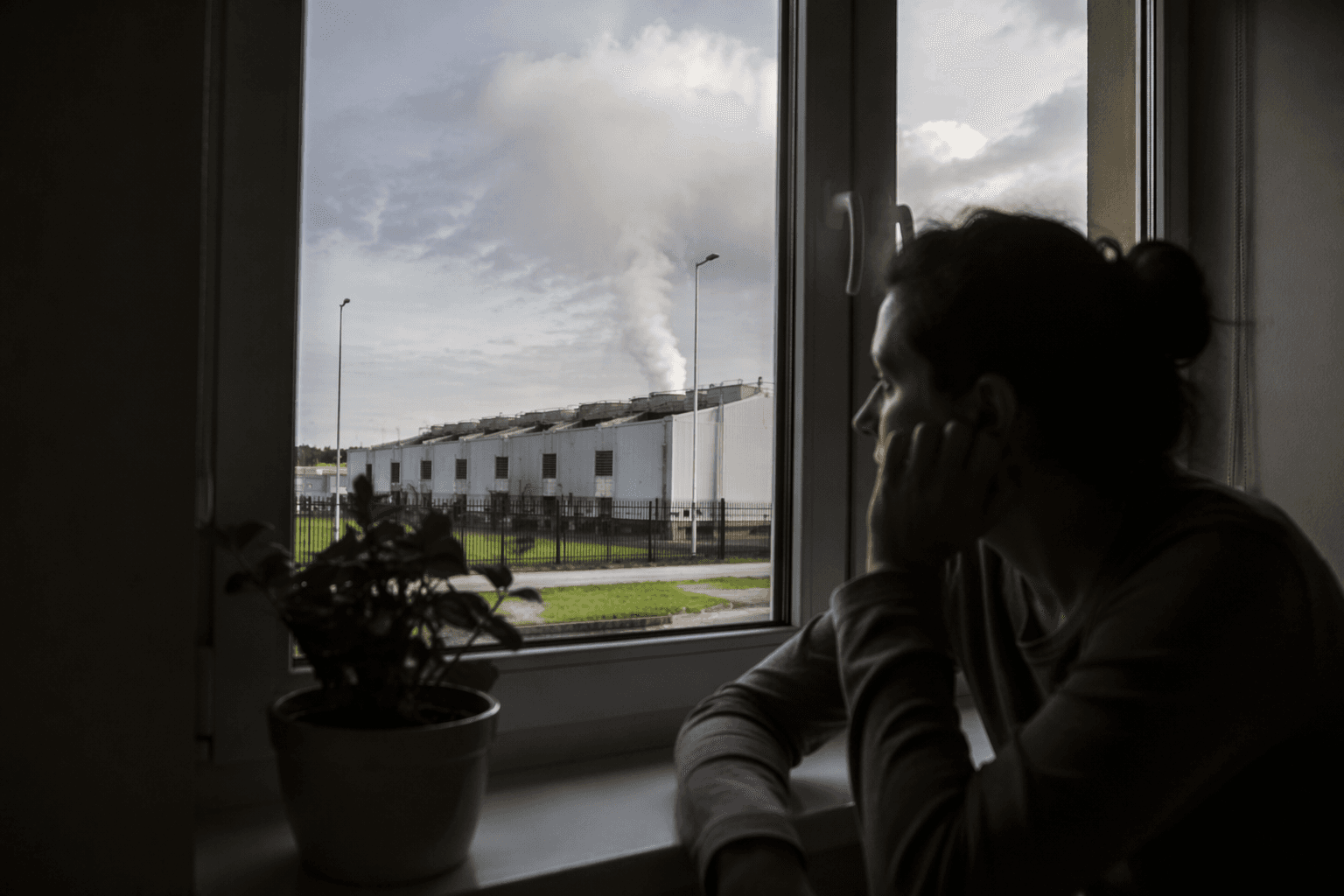
The stakes are bigger than a neighborhood nuisance. The U.S. Department of Energy said in 2023 that data centers account for about 2% of total U.S. electricity consumption, and that cooling can account for up to 40% of a data center’s energy use. Experts cited in recent reporting say cooling systems are a major source of the noise problem, adding another layer to a national buildout that has already transformed suburban and industrial landscapes.
Public-health and acoustics specialists say the impacts can extend beyond irritation. Noise has been linked to broader physical and mental-health effects, and residents near data centers say the burden falls unevenly on communities living closest to the infrastructure. In Loudoun County and nearby Sterling, the concern is not abstract: people report a constant hum that is hard to block out, even with layered attempts to soundproof their homes.
The issue escalated further in June 2026, when Mississippi residents filed a federal class-action lawsuit against xAI and SpaceX over noise from a data-center power plant. The suit says the proposed class includes more than 10,000 people and alleges harm to health and home values. xAI’s Memphis-area operations have also drawn scrutiny over turbine-related pollution and permitting issues in Memphis and North Mississippi, widening the fight from noise alone to air quality and local enforcement.
Taken together, the disputes in Virginia, Arizona and Mississippi point to the same question: whether zoning, noise and environmental rules written for an older industrial era can keep pace with the A.I. boom now reshaping communities around it.
This article was produced by Prism’s automated news system from verified source data, official records, and press releases, then run through automated quality and moderation checks before publishing. The system is built and supervised by the people who set the standards it runs under. Read our full AI policy.
Know something we missed? Have a correction or additional information?
Submit a Tip