Residents, Officials Oppose Chambers Gas Station Liquor License Near Navajo Nation Border
Residents and chapter officials opposed a Chambers gas station's bid for a Series 9 packaged-liquor license near the Navajo Nation border, citing community impacts.
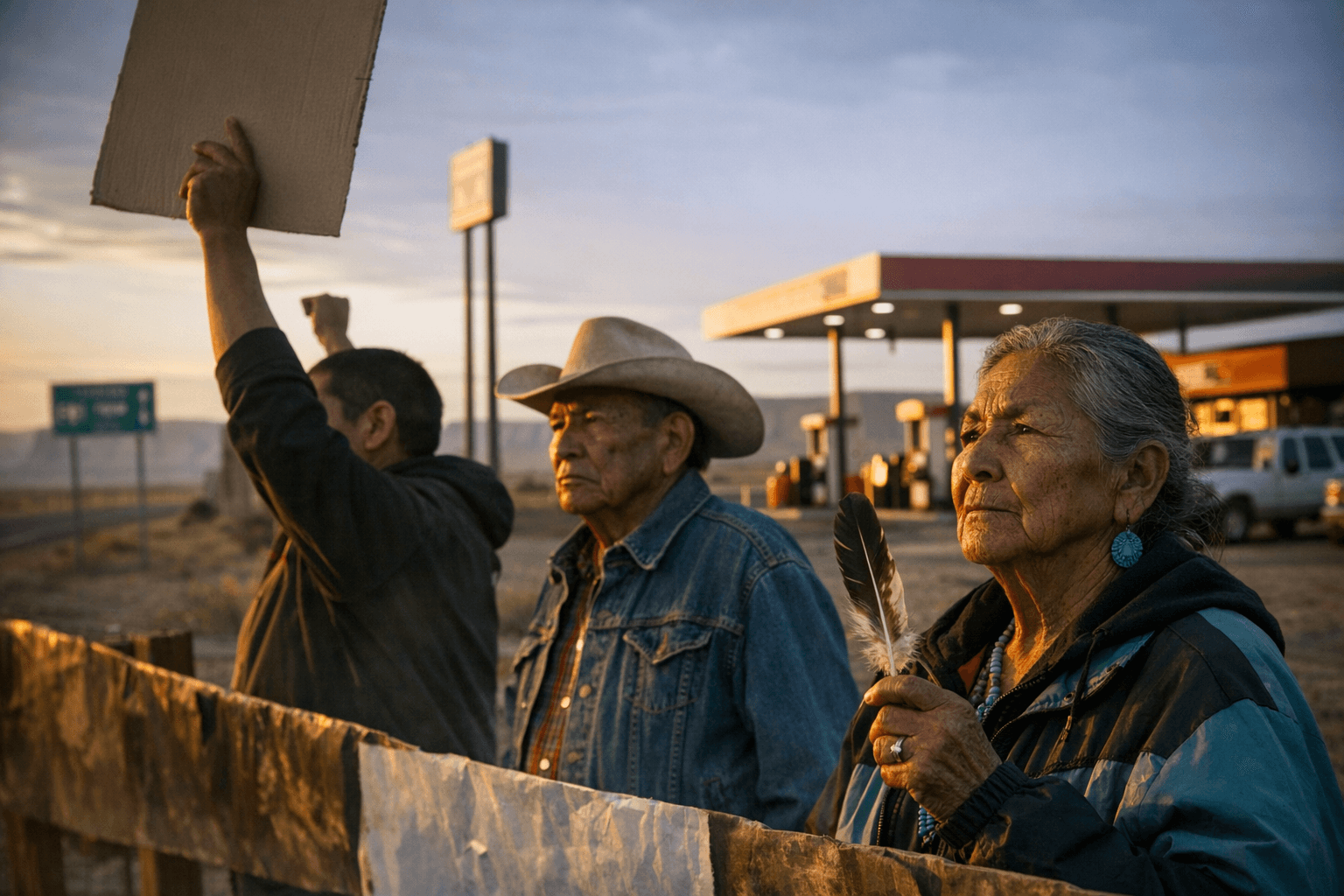
Residents and Navajo chapter officials in the Chambers area expressed opposition to a convenience store and gas station's application for a Series 9 packaged-liquor license, raising concerns about public health, community well-being, and cross-border impacts. The business is located along Interstate 40 and U.S. 191 near the Navajo Nation boundary, a location opponents say makes the application especially sensitive for border communities.
Opponents delivered their objections after the business filed for the Series 9 packaged-liquor license, which authorizes retail sales of packaged alcoholic beverages. Local voices urged licensing authorities to consider the store's proximity to homes and chapter jurisdictions and the potential for increased alcohol availability to affect nearby reservation communities. Chapter officials, representing neighborhood governance at the local level, joined residents in formal opposition.
The debate in Chambers highlights broader policy tensions between state licensing regimes and tribal public-safety priorities. The Navajo Nation restricts alcohol within its territory, and businesses just outside the reservation boundary can alter patterns of access and enforcement. For residents of Chambers and adjacent chapter communities, those shifts carry practical consequences for family safety, law enforcement resources, and local social services.
Institutionally, the application places attention on how state licensing decisions are weighed against tribal concerns. Licensing authorities must balance the statutory criteria for issuing a Series 9 license with documented community opposition and the regional context. The outcome may set precedent for future license applications near reservation borders and for the degree to which chapter-level input influences state-level licensing outcomes.
For local civic engagement, the episode underscored active participation by chapters and households in regulatory processes. The opposition in Chambers demonstrates that chapter officials are monitoring land use and commercial development at reservation edges, and that residents are prepared to contest proposals they view as harmful to public health or community cohesion. Those patterns of participation can shape both administrative records and local political dynamics.
What happens next will determine whether the Chambers site can add packaged-liquor retail to its services and will influence how nearby chapters approach future development proposals. The licensing decision will have direct implications for access to alcohol in border zones and for the future interplay between state licensing practices and tribal community priorities.
Sources:
Know something we missed? Have a correction or additional information?
Submit a Tip