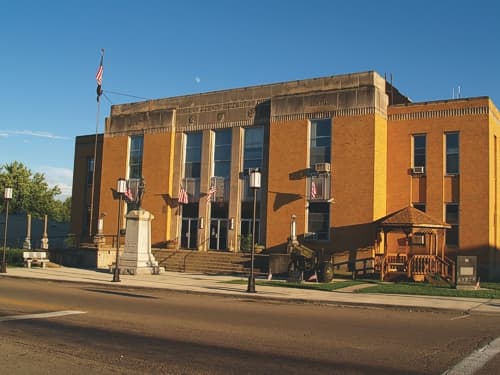
Residents Question Value of Two Proposed Solar Farms at Vinton County Meeting
Residents filled a county meeting to oppose two proposed solar projects, focusing on a Recurrent Energy site east of Hamden and raising tourism and legal concerns.
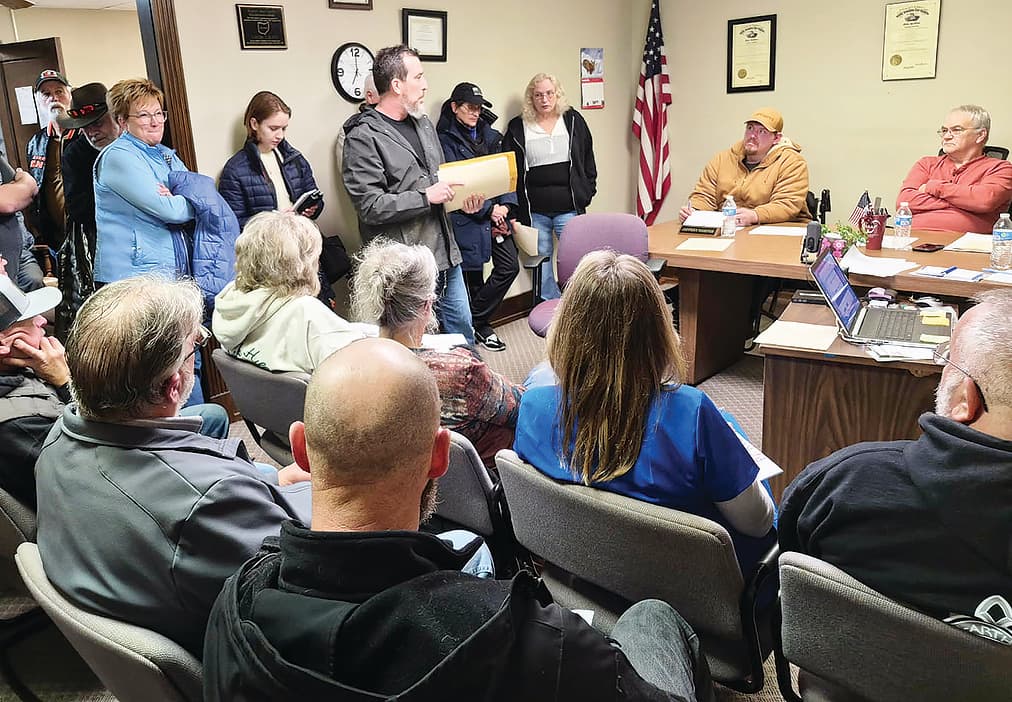
A long discussion broke out about the value of solar farms at the Vinton County Commissioners meeting, with a large crowd in attendance to challenge two proposed local projects. The session focused largely on Recurrent Energy’s proposal for land along State Route 160 east of Hamden, a site opponents described as reclaimed coal mining land that supports growing wildlife tourism.
Two of the primary speakers against the solar farms were Teresa Everly and Justin Hitte, representing the group Vinton County Against Solar Farms. Everly said the proposal would threaten an area she described as a wildlife-watching draw. “The area is quite a popular destination for avid Bald Eagle watchers to take videos and pictures of them,” she stated. “It is part of natural-based tourism.” Everly argued the land is not useless because it was reclaimed after coal mining and that a large solar field would hurt the county’s growing tourism sector.
Justin Hitte spoke directly against Recurrent Energy’s plan and raised a legal-and-policy argument aimed at the commissioners. Hitte “declared that state law allows the Board of County Commissioners to adopt a resolution restricting windmill or solar facilities in unincorporated areas.” His remarks put the county’s legal authority and potential land-use controls at the center of the debate.
Former Vinton County Commissioner Jim Satory offered the primary counterpoint at the meeting, urging commissioners and residents to weigh the financial benefits proponents say solar projects can bring. Satory spoke on the value solar farms have in providing county services, arguing those benefits should figure into decisions about large-scale development. No detailed fiscal figures or project specifications were presented at the meeting.
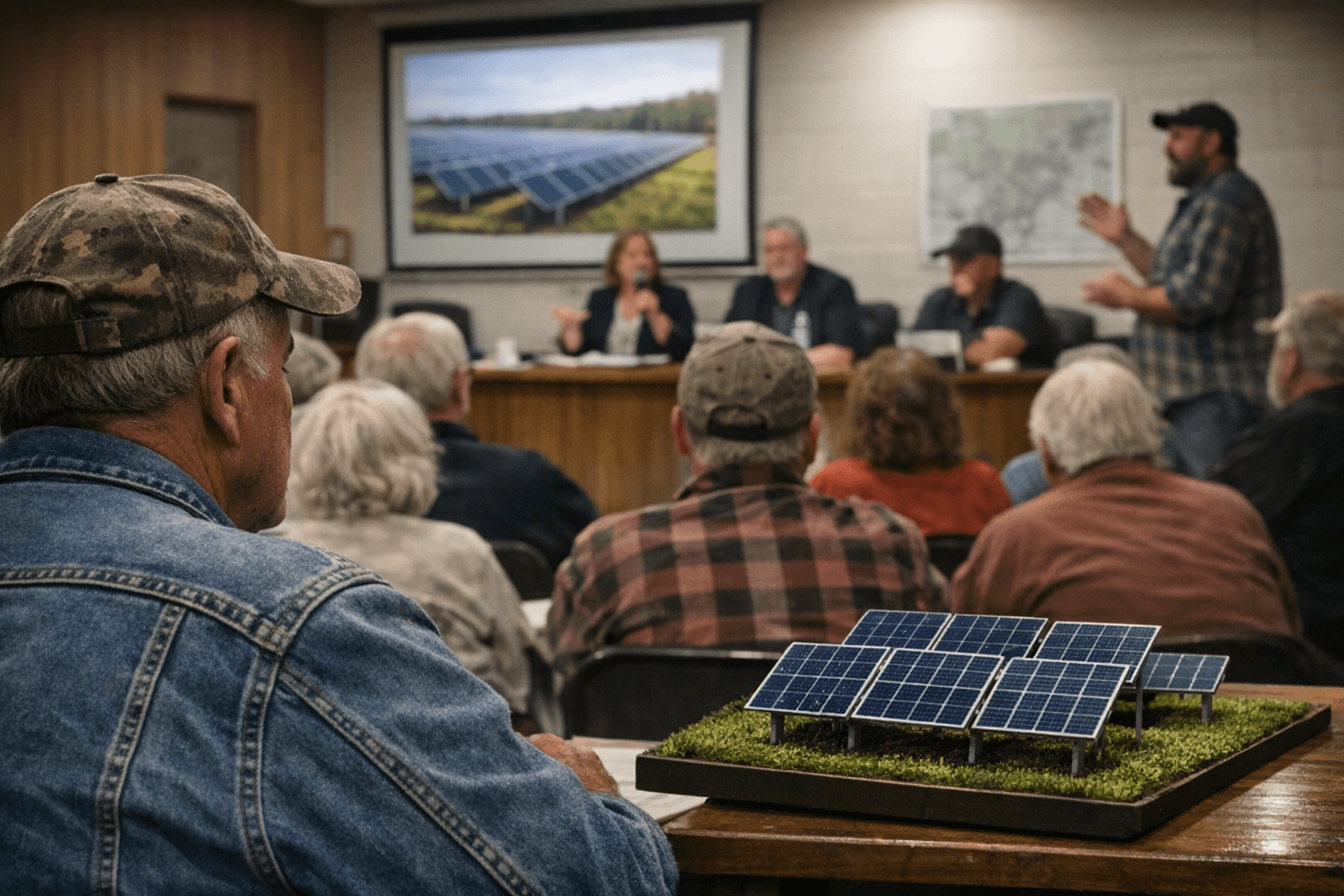
The two-project discussion highlighted a number of unresolved questions for county residents. Only Recurrent Energy was explicitly identified; the second proposed project was referenced but not named or located in public comments. Project specifics such as acreage, generating capacity, and any tax or payment-in-lieu-of-taxes arrangements were not included in the remarks heard at the meeting.
For Vinton County, the dispute puts land-use policy, tourism preservation, and county revenue calculations in direct tension. Reclaimed-mining parcels that attract outdoor recreation and wildlife viewers sit alongside proposals that advocates say can bolster local services. It remains unclear whether the Board will pursue any formal resolution or take immediate action on zoning or permitting.
Residents concerned about either outcome can expect the issue to resurface at future commissioners meetings as officials seek more detail from developers and weigh legal options. The choices made next will influence local land use, outdoor tourism opportunities on State Route 160 east of Hamden, and how the county balances economic and environmental priorities.
Sources:
Know something we missed? Have a correction or additional information?
Submit a Tip