Restaurant Workers United emerges from pandemic organizing as worker-led union
Restaurant Workers United, born from 2020 pandemic organizing, brands itself as an independent, democratic union offering shop-level support and resources to restaurant, bar, and café workers.
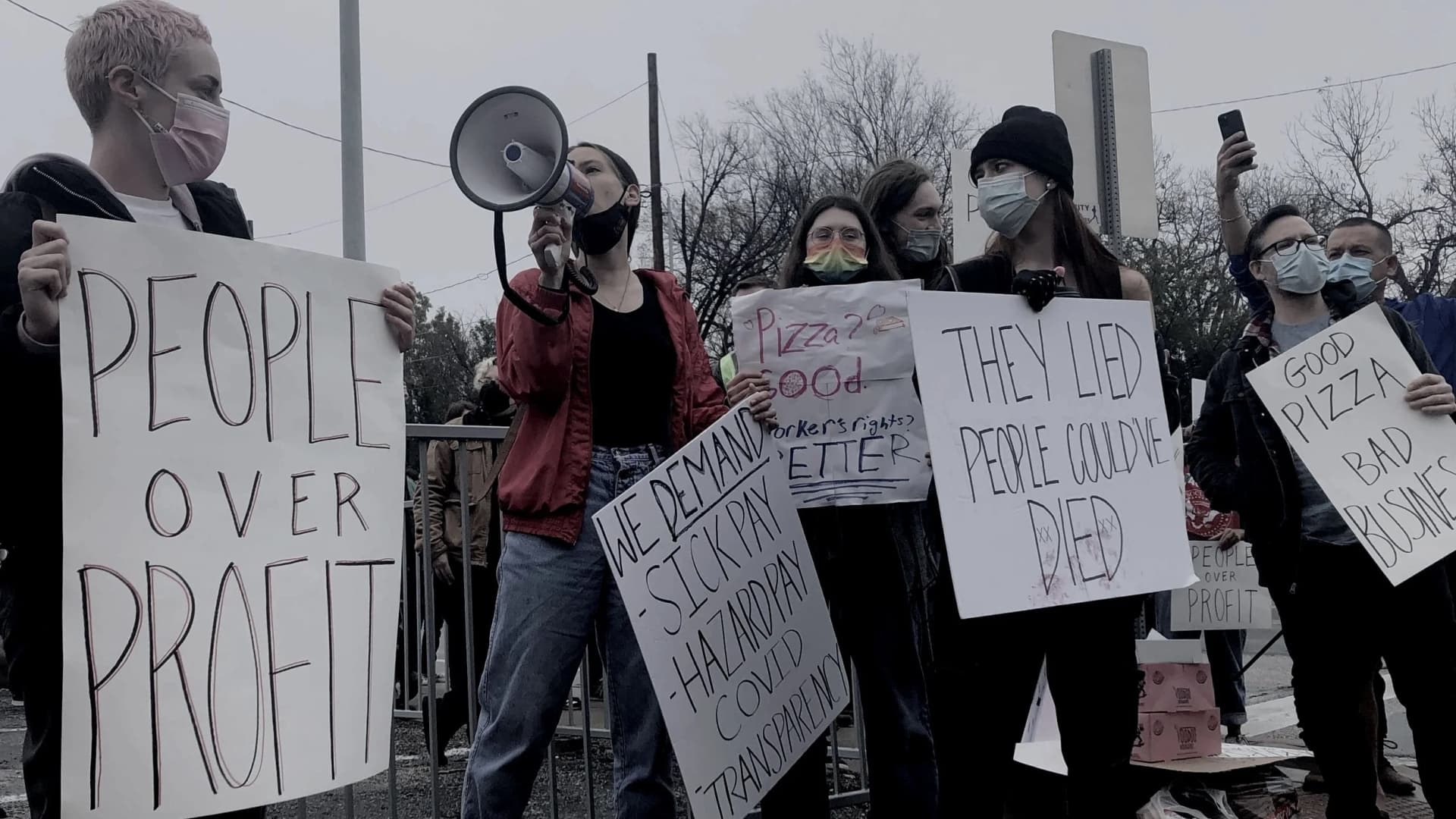
Restaurant Workers United (RWU) has emerged as a worker-led union for restaurant, bar, and café workers after organizing that began during the COVID-19 pandemic. The group presents itself as an independent, democratically run alternative focused on shop-level campaigns, educational resources, and one-on-one organizing support that it says is designed to reach an industry of more than 11 million workers.
RWU’s public materials underscore a grassroots approach. “We are the democratic, worker-led union for America’s restaurant workers. Together, we are changing our industry from the ground up,” the group states, and promises: “If you’re a worker who’s ready to change this industry, we will stand with you and help you organize with your coworkers.” The group lists site sections including About Our Union, Join Us, Dues, Support Our Movement, Contact/Press, FAQs, and Restaurants and Labor Law, and invites workers to reach out at restaurantworkersunited@gmail.com.
The union highlights accomplishments it says date to a 2022 Year in Review. “Together, we organized the first standalone restaurants in the South at Via 313 and Pizza Lupo,” RWU reports, and says those wins are the start of coast-to-coast organizing driven by worker leaders in their own shops. Its organizing advice mirrors long-standing labor practice: “Whether you go the legal route or not, the best way to win what you’re owed and protect yourself from retaliation is by organizing together with your coworkers.”
RWU’s launch comes amid a broader upswing in restaurant and service-sector organizing. The Starbucks campaign that began in Buffalo in December 2021 and grew into a nationwide phenomenon has seen large-scale wins and legal fights; as of late 2024 workers at over 500 Starbucks stores had voted to unionize and the National Labor Relations Board registered over 80 claims related to alleged anti-union conduct. Analysts have framed that fight as “The Starbucks Test Case” and warned that franchising creates a structural challenge: organizers may want to bargain with corporate entities that control pricing and operations, but legally must bargain with the employer on the payroll, often a franchisee with limited authority.
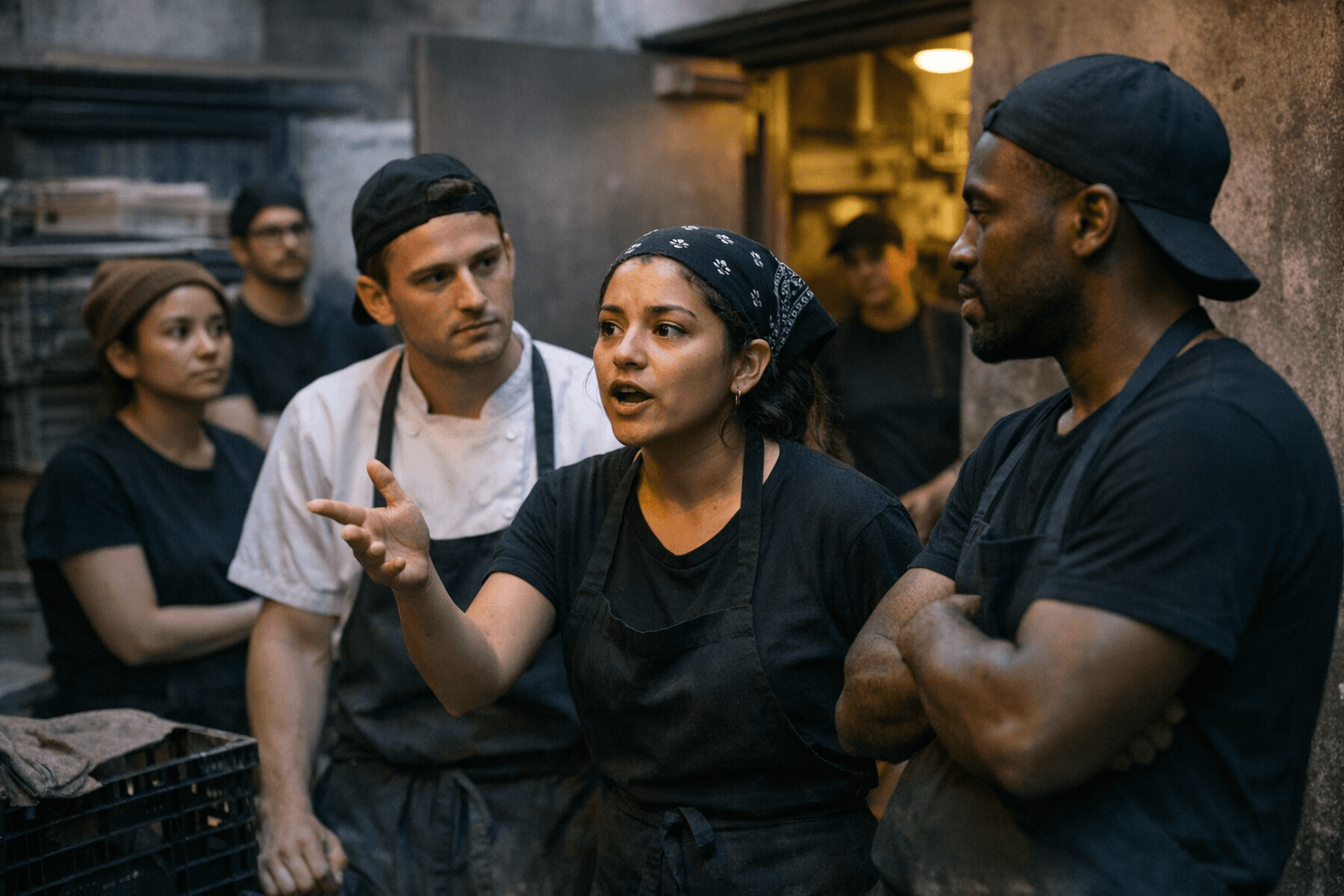
Organizing strategy conversations underline the practical work ahead. One labor organizer observed, “Workers are reaching out to our union in unprecedented numbers,” and outlined a staff-organizer checklist to build momentum: “get a list, identify leaders, make sure the organizing committee is diverse and represents all departments […]” UFCW guidance similarly stresses groundwork: “To win that union election, you need to develop these bonds across your workplace. That means talking to as many of your coworkers as you can, to make sure you have the support you need to win.”
For restaurant workers, RWU offers a low-barrier pathway to collective action and direct shop-level tools, but organizers face clear obstacles: high turnover, thin margins, and franchise-law complications that can limit bargaining leverage. Larger chains appear more vulnerable to organized pressure, while small independents may remain resistant.
What comes next is practical and political. RWU will try to convert pandemic-era discontent into sustained shop-level organizing, while other unions and campaigns prepare for electoral and bargaining seasons; Workers United plans to mobilize members for the 2025 elections. For workers seeking help, Restaurant Workers United lists restaurantworkersunited@gmail.com as a contact and says it will stand with employees ready to organize.
Know something we missed? Have a correction or additional information?
Submit a Tip