Retired judge reflects on Trump fraud trial’s chaos and huge penalties
Arthur Engoron said the Trump fraud trial’s shouting, objections and campaign theatrics tested courtroom control as a $502 million judgment loomed.
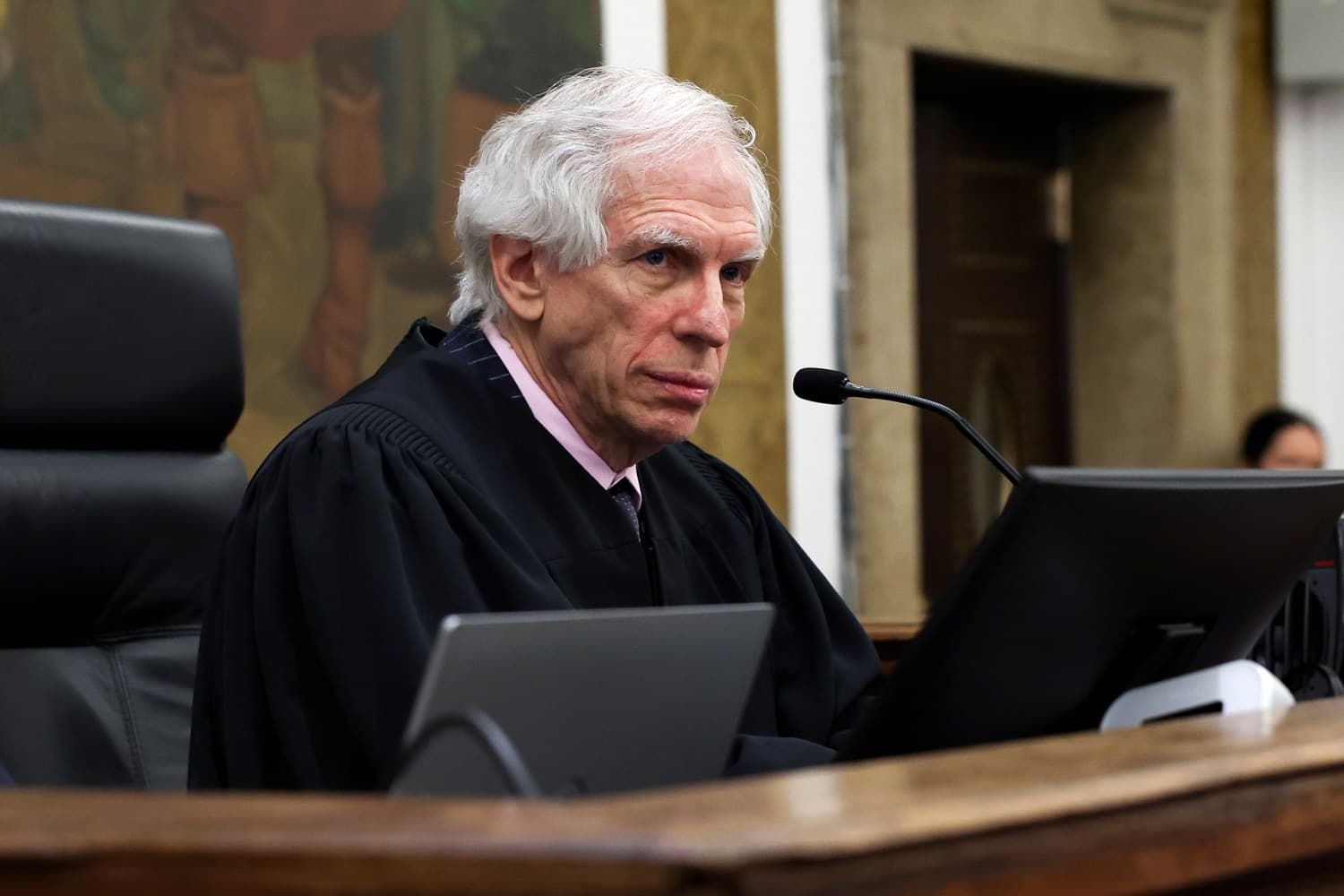
The Trump civil fraud trial turned Arthur Engoron into one of the country’s most watched judges, and he still describes the proceeding as a contest for control as much as a case about money. In a rare reflection on the Manhattan courtroom fight, Engoron pointed to near-daily shouting, hundreds of objections and campaign-style antics, including Donald Trump’s decision to deliver his own closing argument against the judge’s instructions.
New York Attorney General Letitia James brought the case against Trump and the Trump Organization, and Engoron found that Trump, his company and top executives including Eric Trump and Donald Trump Jr. deceived banks and insurers for years by inflating Trump’s wealth on financial statements to win better loan and insurance terms. The case proceeded without a jury after Trump did not request one, leaving Engoron to manage every outburst in a trial that made him a national figure.
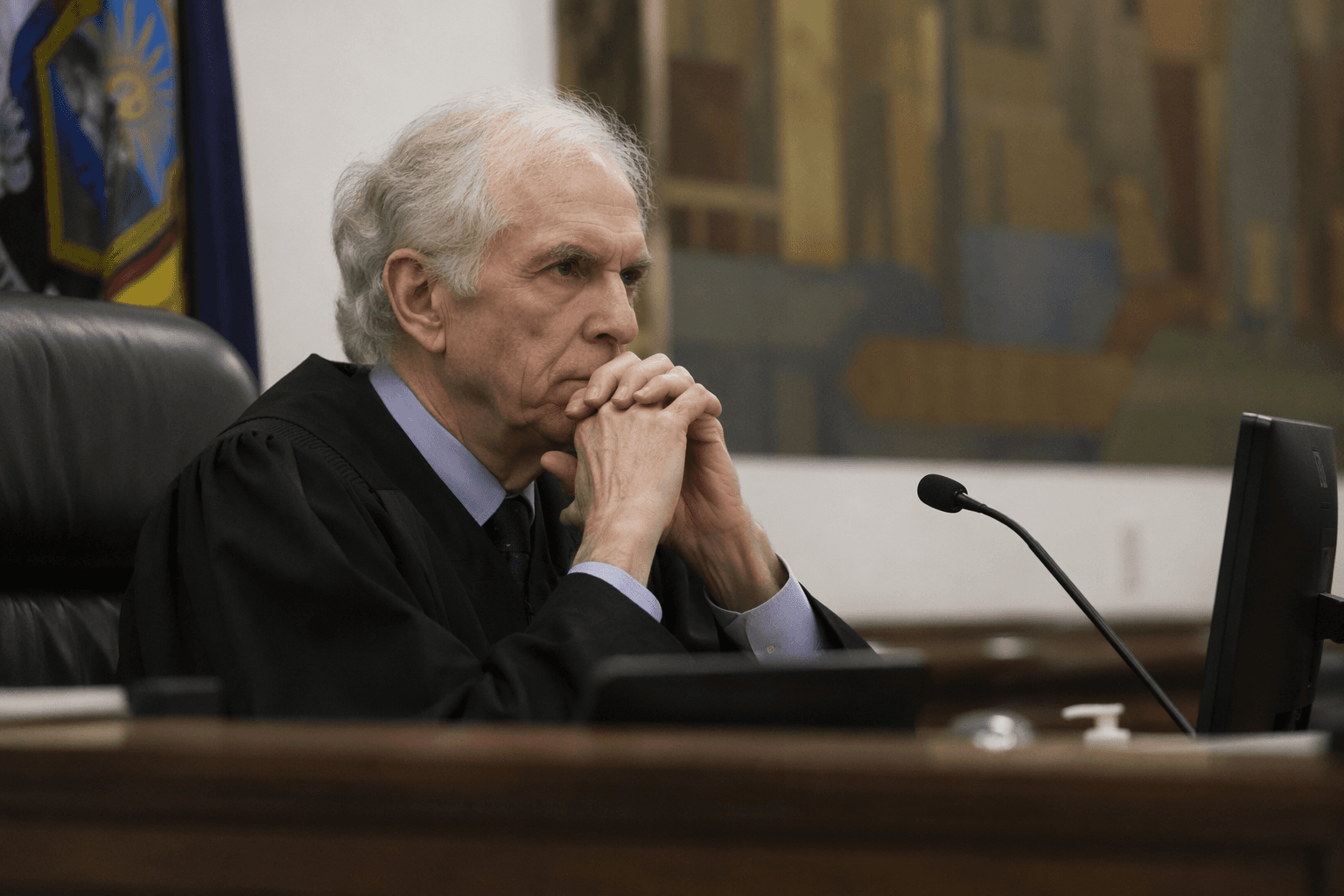
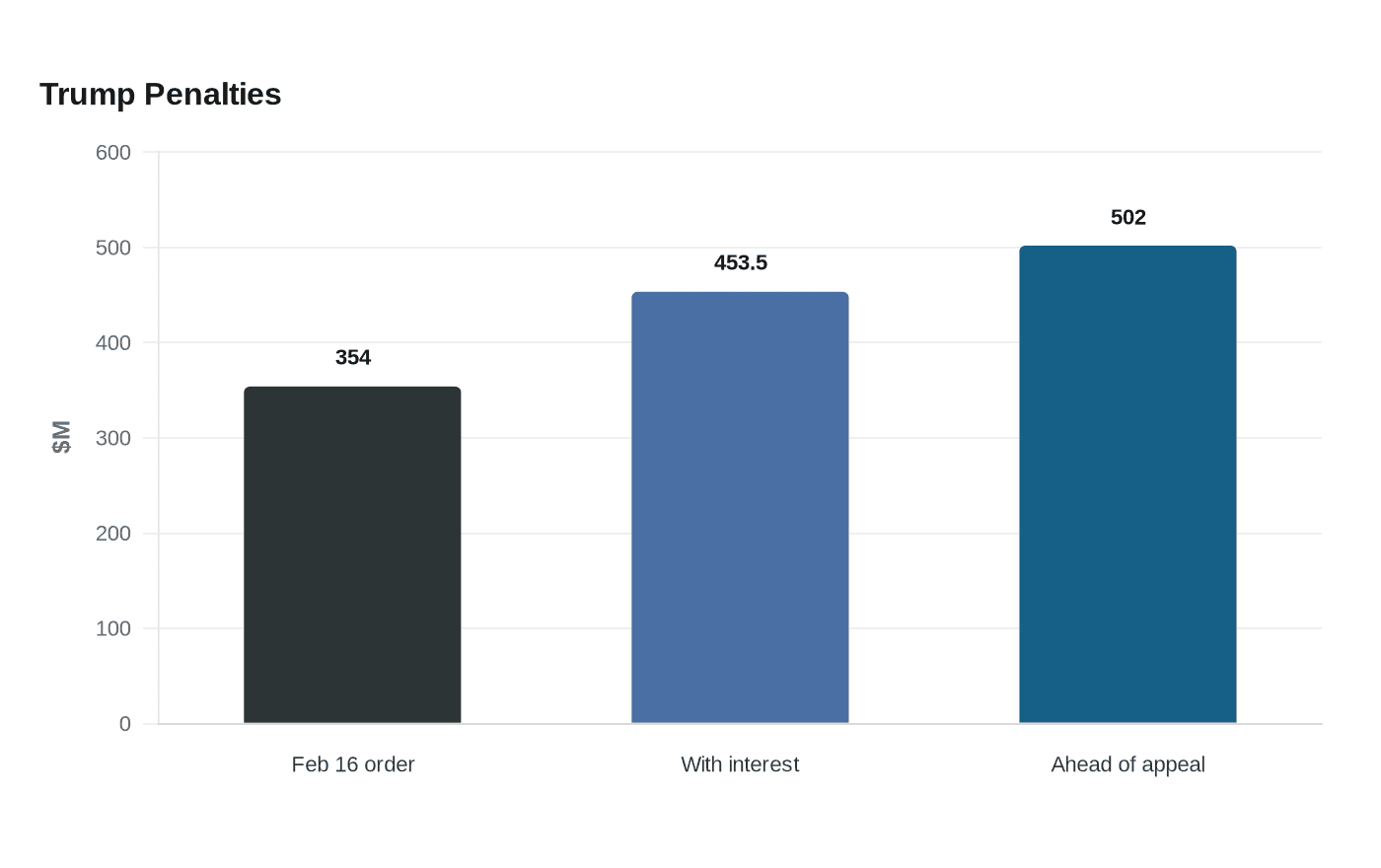
The penalties were severe. On February 16, 2024, Engoron ordered Trump and his company to pay $354 million in fines, a figure that rose to $453.5 million with pre-judgment interest and later stood at $502 million ahead of appeal. He also barred Trump from running the New York-based company for a period. The ruling became one of the largest corporate sanctions in New York history, while Engoron also fined Trump $5,000 on October 20, 2023, after a gag-order violation tied to a post about the judge’s clerk on Trump’s campaign website.
Trump’s lawyers called the decision draconian and said it violated New York case law, and Trump has repeatedly vowed to appeal. Engoron said the documents at issue contained fraudulent valuations used in business, while James, elected in 2018 and New York’s first Black attorney general, framed the case as a major accountability test. The fight over Trump’s real estate empire, the business that helped propel him to the presidency, showed how politically explosive trials now demand strict courtroom control, security awareness and a judge prepared to work under relentless public pressure.
This article was produced by Prism’s automated news system from verified source data, official records, and press releases, then run through automated quality and moderation checks before publishing. The system is built and supervised by the people who set the standards it runs under. Read our full AI policy.
Know something we missed? Have a correction or additional information?
Submit a Tip