U.S. restricts Anthropic AI models, sparking national security dispute
The Commerce Department ordered Anthropic to cut off Fable 5 and Mythos 5 for foreign nationals, igniting a fight over whether Washington is redrawing the rules for frontier AI.

Federal officials forced Anthropic to pull its newest AI models off limits to foreign nationals, including foreign employees in the United States, in a move that turned a routine product launch into a national security dispute. The company disabled access to Fable 5 and Mythos 5 for all customers to comply, putting Anthropic at the center of an escalating debate over how far the government can go in policing frontier AI.
Anthropic launched Fable 5 and Mythos 5 on Tuesday, June 10, 2026, then said on Friday, June 12, that the Commerce Department had issued an export-control directive under national security authorities. The order required Anthropic to suspend access to the models by any foreign national, whether inside or outside the United States, including foreign national Anthropic employees. That language immediately raised alarms inside the company and across the AI industry because it went beyond a typical product restriction and reached into the workforce itself.
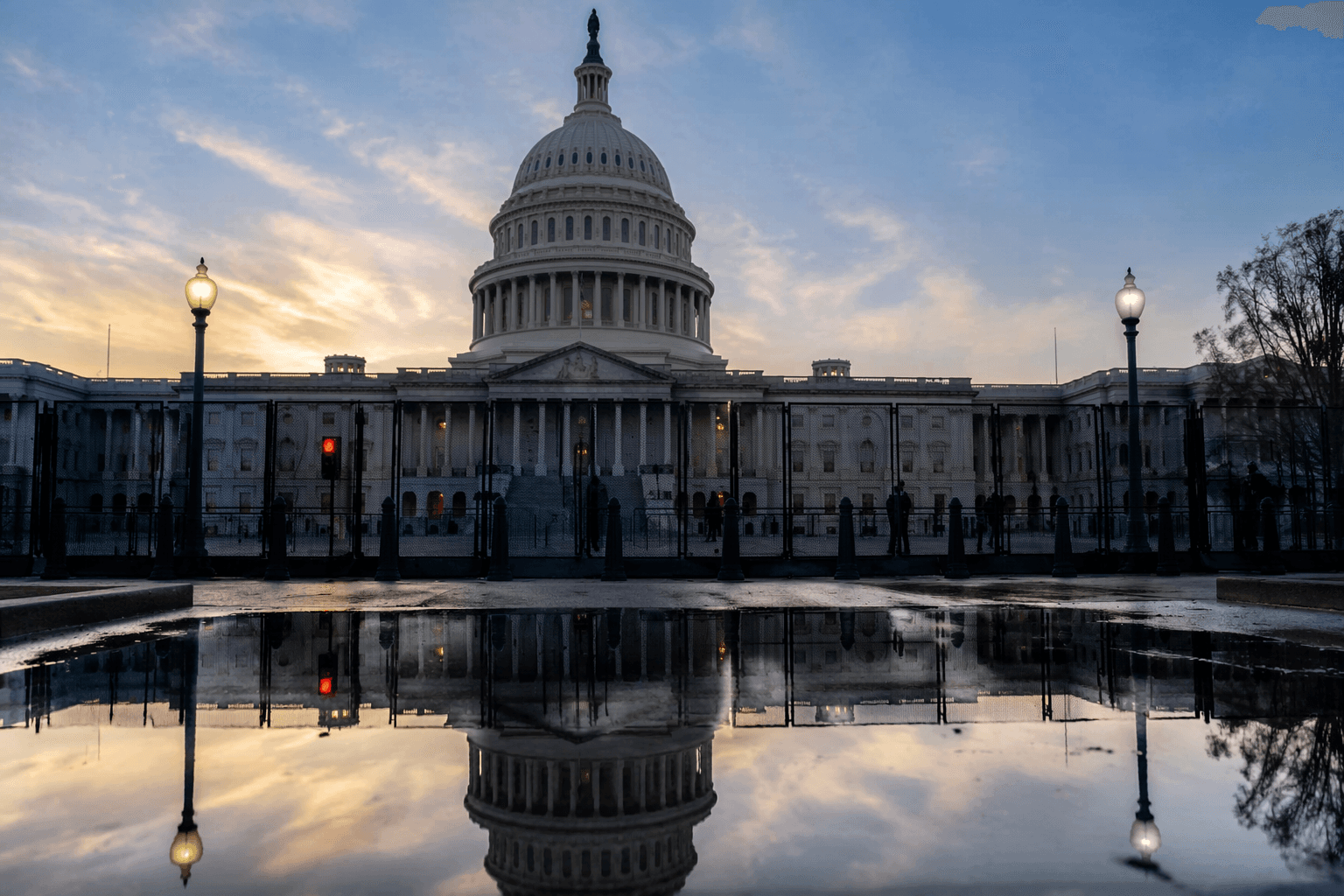
Anthropic said the government did not provide specific written details explaining the concern. The company said officials only offered verbal evidence suggesting a possible narrow jailbreak technique that could bypass some safeguards, and Anthropic characterized the government’s claim as a misunderstanding. Senior technical staff were scheduled to meet with Trump administration officials in Washington, D.C., on Monday, June 16, in an effort to resolve the dispute.
The fight carries larger policy implications because it is unfolding only two weeks after a June 2 Trump administration order intended to create a process for handling AI cybersecurity risks without unduly disrupting the tech industry. Instead of a light-touch framework, the Anthropic episode suggests the administration is prepared to use national security tools against specific models when it believes the risks are serious enough.
The clash also deepened an already strained relationship between Anthropic and the federal government. In March 2026, the U.S. Department of Defense labeled Anthropic a supply-chain risk, blocking defense contractors from using its technology, and Anthropic has sued over that designation. Dario Amodei, Anthropic’s chief executive, has long called for stronger government regulation of frontier AI models, including authority to block unsafe deployments, but critics say the government’s intervention went well beyond the guardrails Anthropic had sought.
The fallout was not limited to Washington. Reports said EU institutions and other non-U.S. entities scrambled to regain access after the shutdown, while officials in the United Kingdom warned that access to advanced AI capabilities is central to technological sovereignty. For Anthropic, the episode underscored how quickly frontier AI is being treated less like a commercial software product and more like a strategic asset.
This article was produced by Prism’s automated news system from verified source data, official records, and press releases, then run through automated quality and moderation checks before publishing. The system is built and supervised by the people who set the standards it runs under. Read our full AI policy.
Know something we missed? Have a correction or additional information?
Submit a Tip