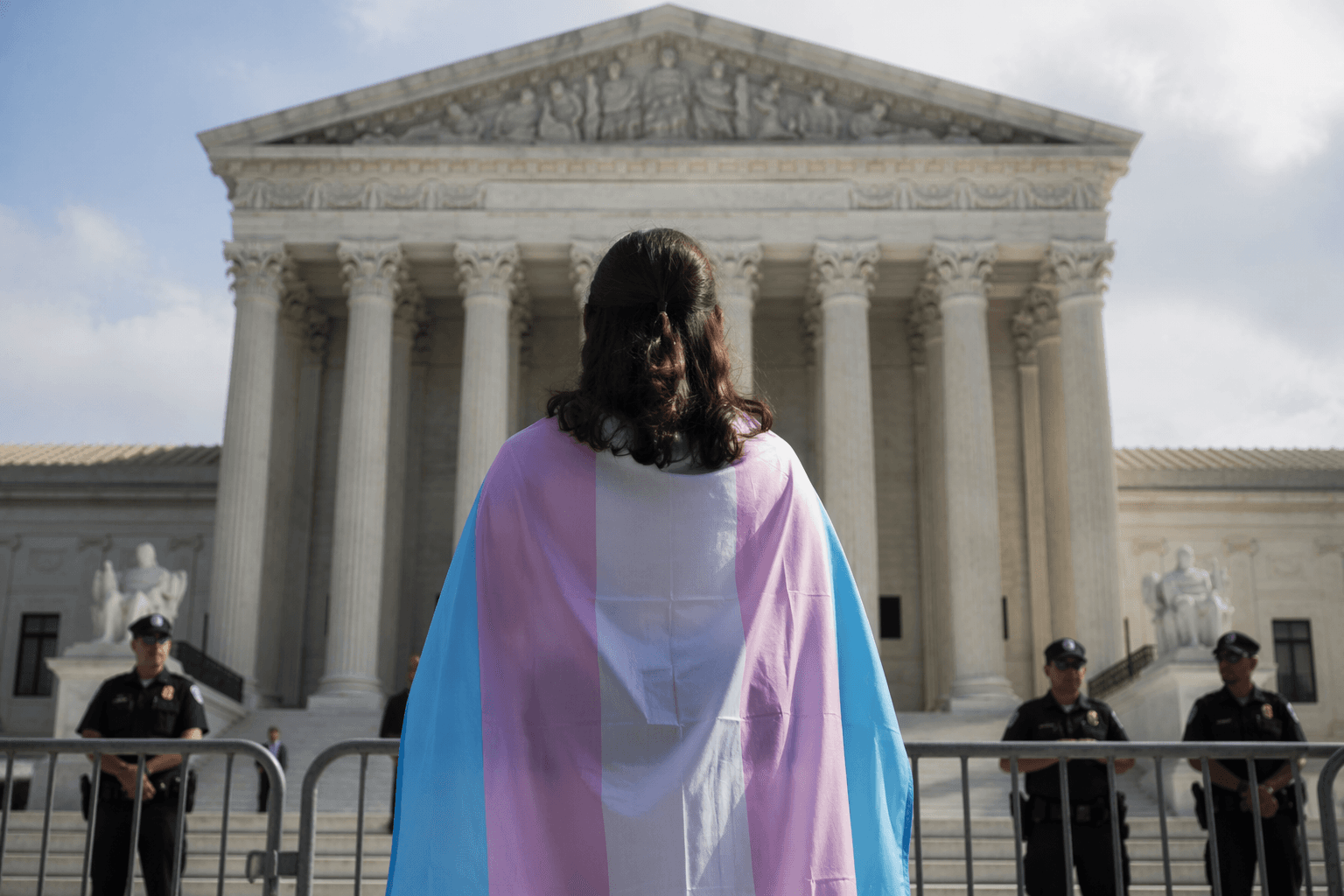
Collins defends Kavanaugh vote as abortion fight shapes Maine race
Collins says she does not regret confirming Brett Kavanaugh, even as Democrats tie that 2018 vote to the loss of Roe and target swing voters in Maine.

Susan Collins is trying to draw a sharp line between her 2018 vote to confirm Brett M. Kavanaugh and the Supreme Court’s 2022 decision that erased the federal constitutional right to abortion. That distinction is now a central test in Maine, where Collins faces her first reelection campaign since Dobbs and Democrats are betting abortion politics can still move swing voters.
Collins voted to confirm Kavanaugh on October 6, 2018, after a lengthy floor speech in which she said he had assured her he respected precedent. The Senate approved him 50-48, and Kavanaugh later joined the Supreme Court’s 6-3 majority in Dobbs v. Jackson Women’s Health Organization, decided June 24, 2022. That ruling overturned Roe v. Wade and ended the constitutional right to abortion nationwide.
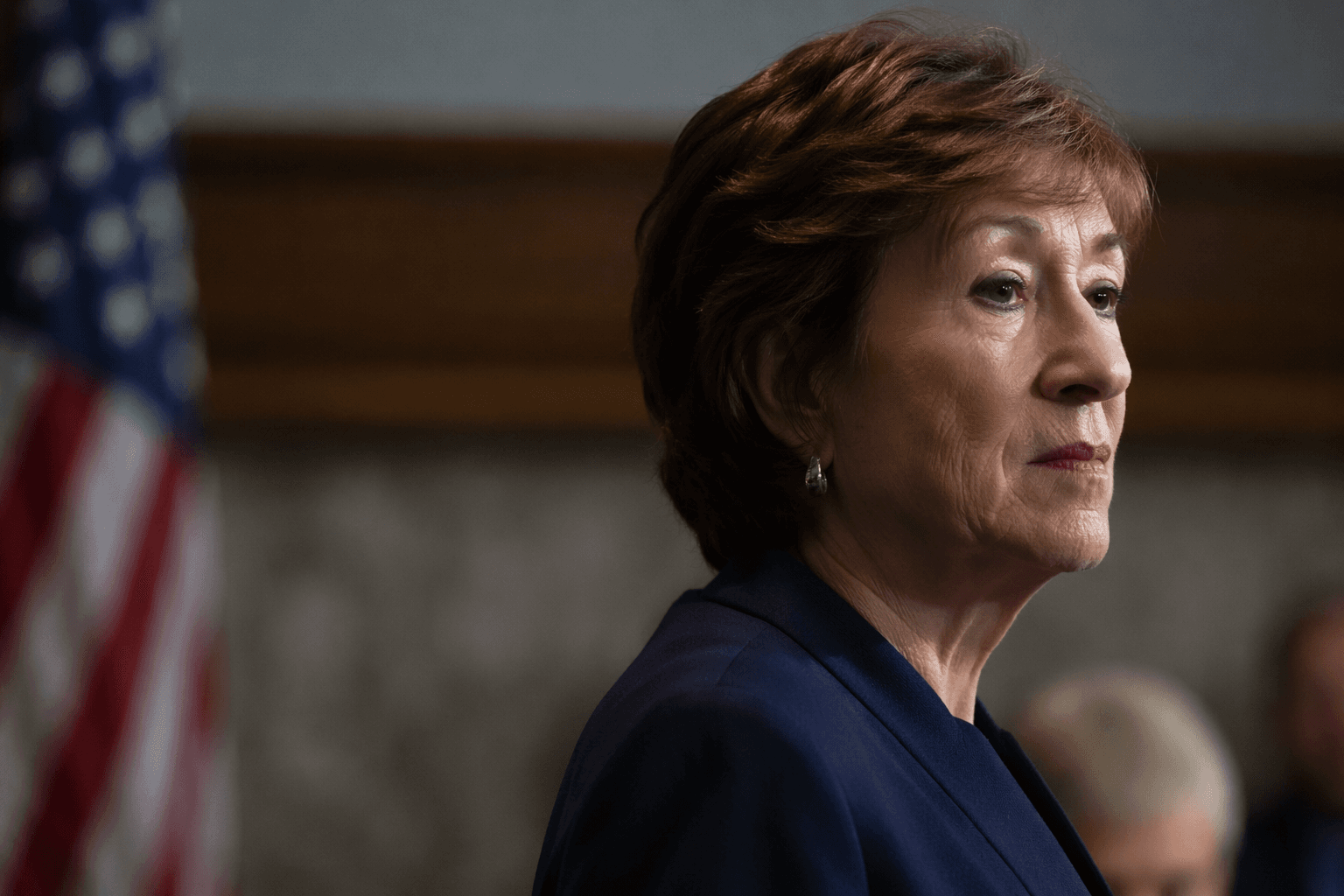
This week, Collins said, “I do not regret that vote,” though she said she was disappointed by Kavanaugh’s Dobbs decision. She has argued that her confirmation vote did not change abortion access in Maine, where state law generally protects abortion before fetal viability and permits post-viability abortions when a physician deems them medically necessary. The Maine Legislature also enacted a 2023 law barring local governments from restricting abortion access.
For Collins, the politics are more dangerous than the legal details. Maine Democrats and reproductive-rights advocates have kept the Kavanaugh vote alive as a campaign issue, arguing that Collins helped clear the way for the end of Roe even if she now says she disagrees with the outcome. Graham Platner, the oyster farmer and combat veteran who won the Maine Democratic primary on June 9, has made the race a priority battleground in one of the country’s most competitive Senate contests. In response to Collins’s comments, he said in effect that she should regret the vote.
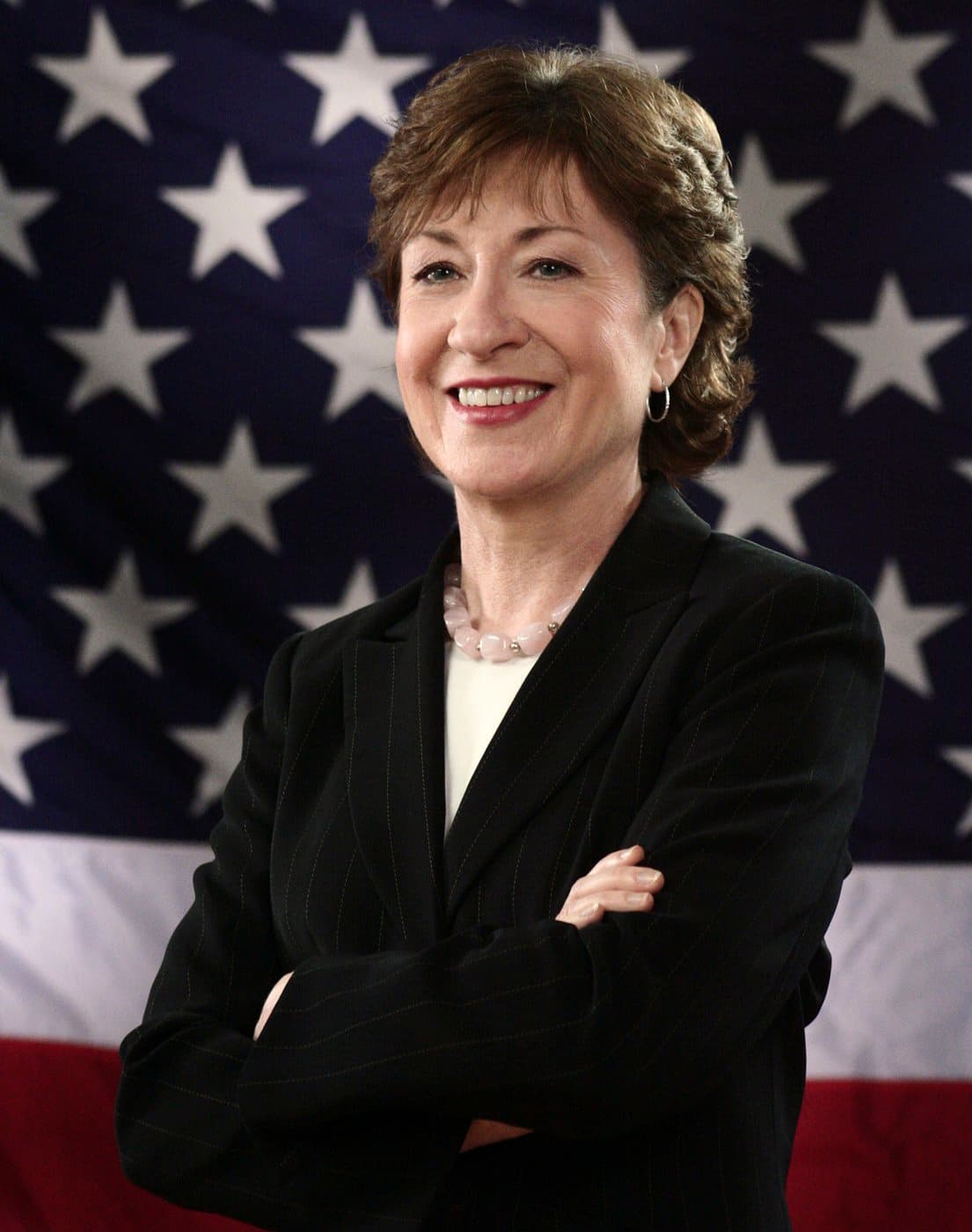
The dispute fits a familiar pattern in Collins’s political career. She has long cast herself as a moderate on abortion and judicial nominations, a posture that helped define her appeal in Maine. But Democrats say the Kavanaugh confirmation exposed the limits of that image, and Dobbs turned an old line of attack into a live one again. With abortion still one of the most potent issues in Maine politics, the question is not whether Collins can explain her vote. It is whether enough voters will accept the distinction she is trying to make.
This article was produced by Prism’s automated news system from verified source data, official records, and press releases, then run through automated quality and moderation checks before publishing. The system is built and supervised by the people who set the standards it runs under. Read our full AI policy.
Know something we missed? Have a correction or additional information?
Submit a Tip