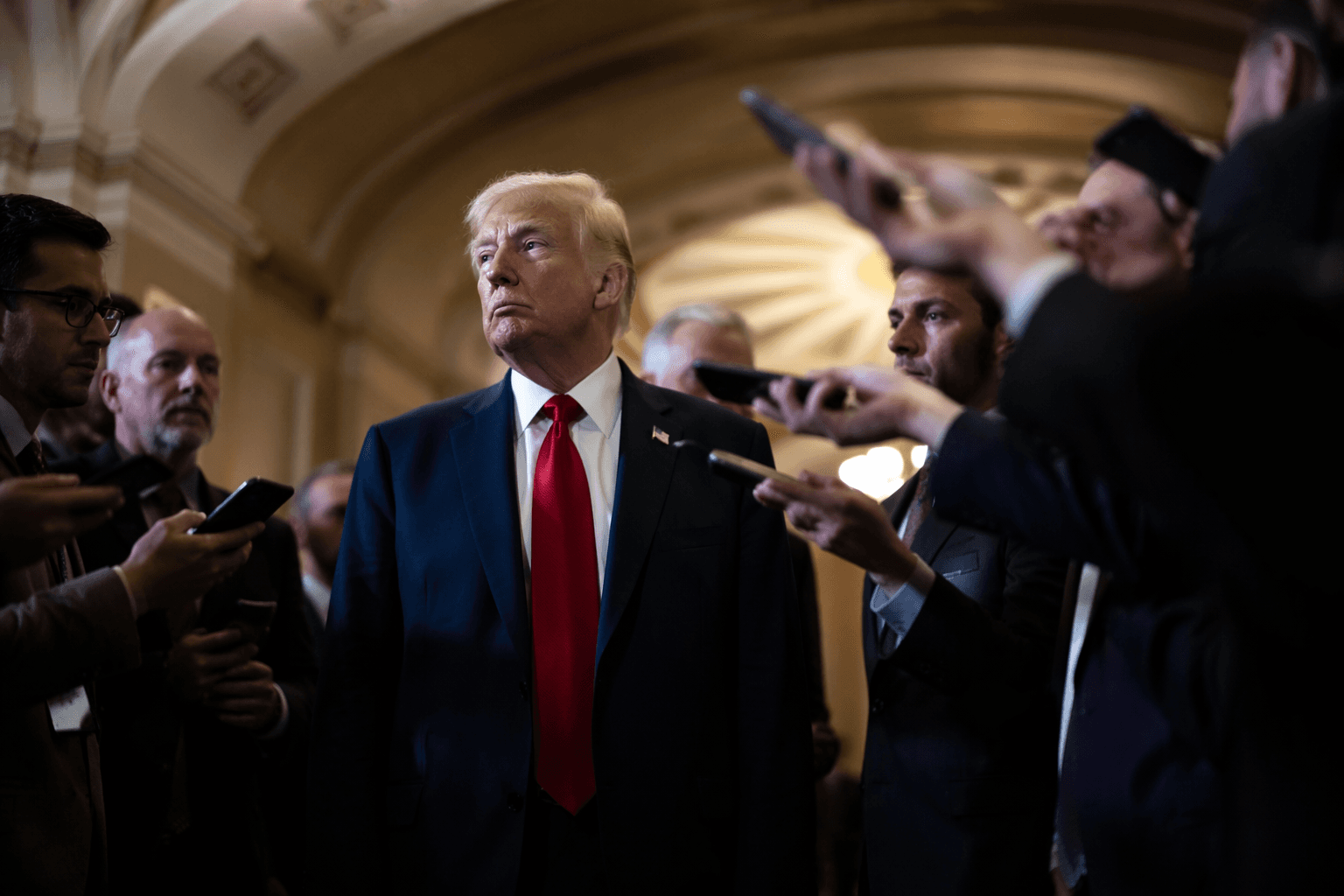
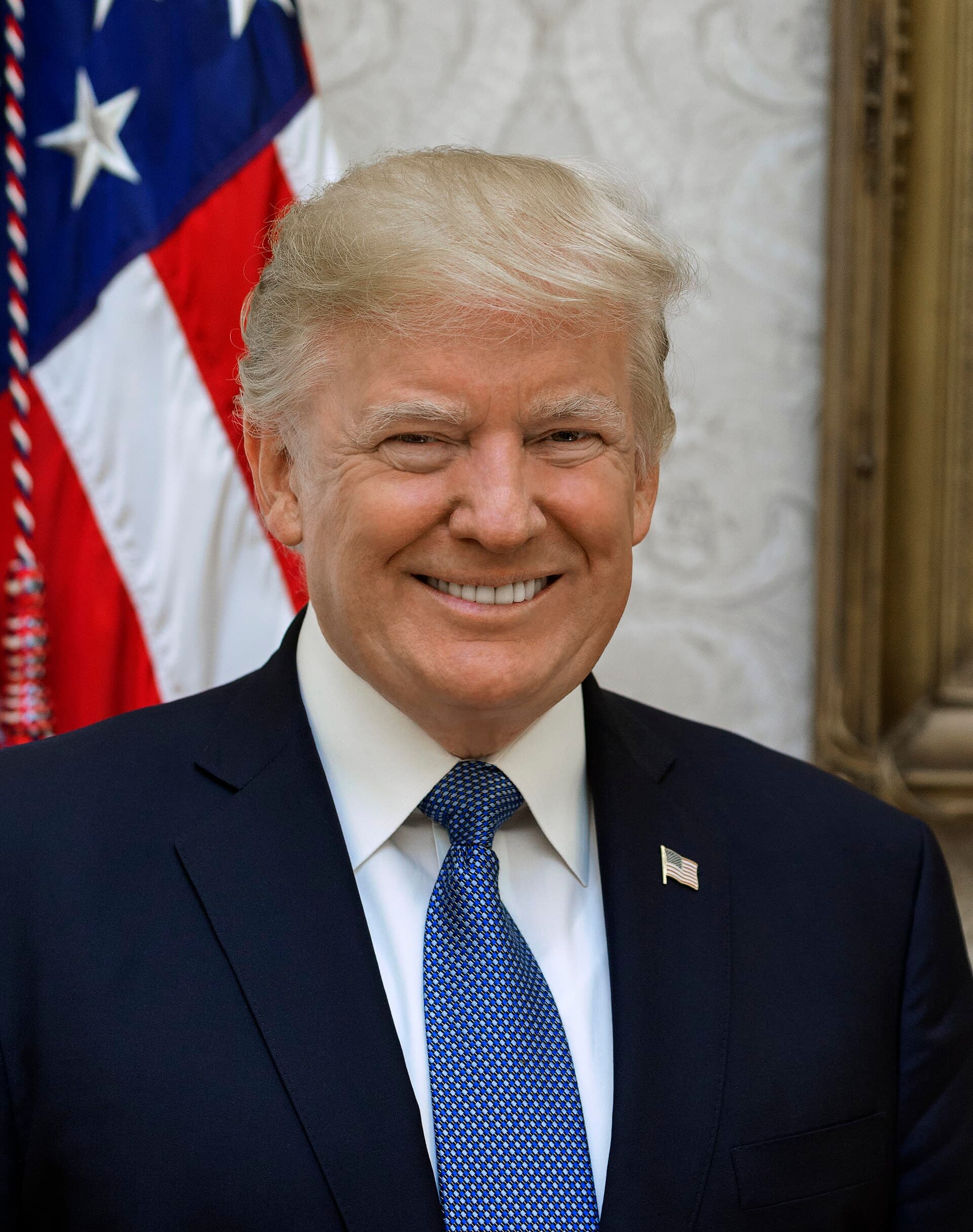
Supreme Court takes up Trump cases and transgender rights battles
Trump emergency fights and transgender sports cases are steering a Supreme Court term that could reshape presidential power, school rules and election-season law.
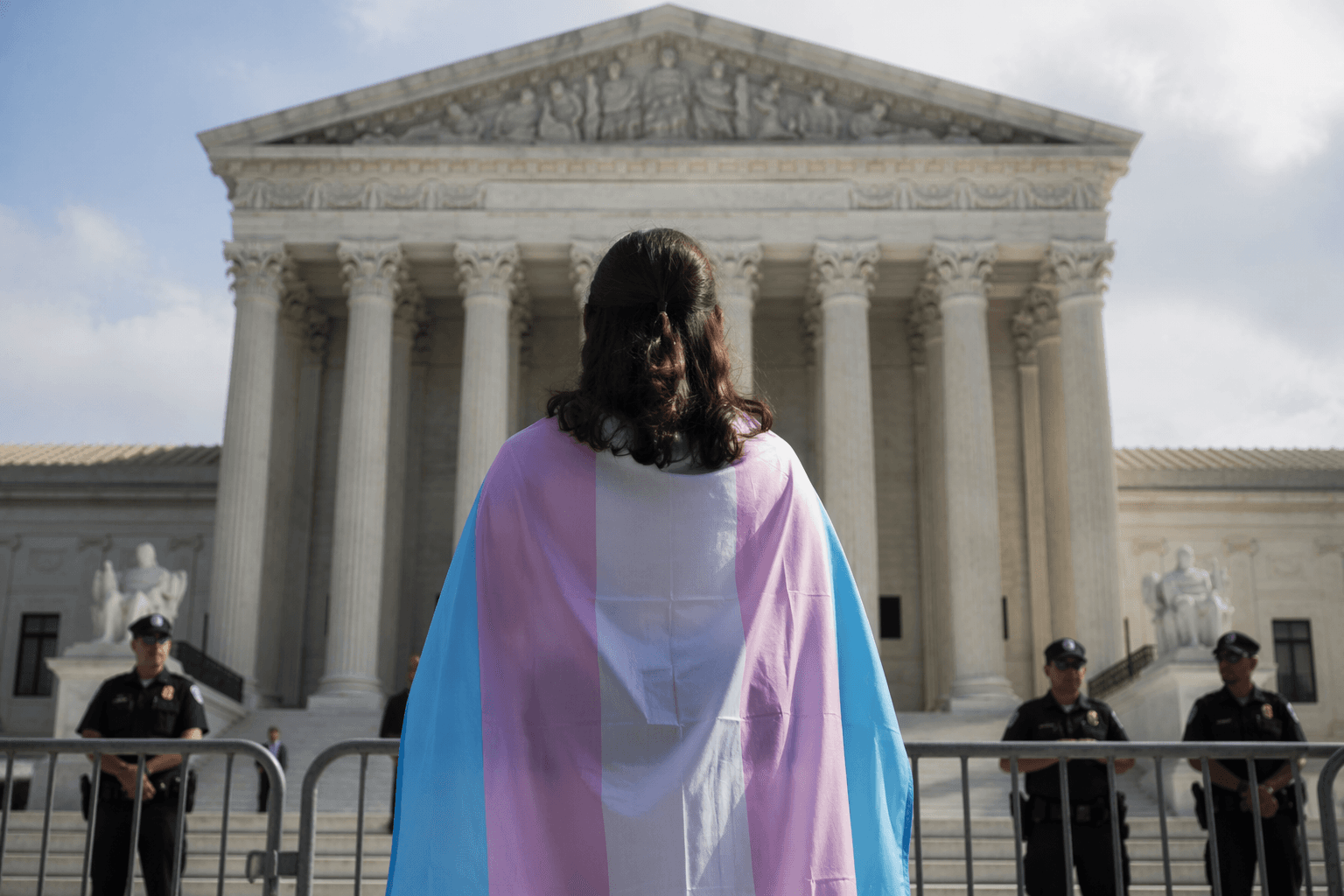
The Supreme Court’s October Term 2025 has become a test of presidential power and transgender rights at the same time, with major merits cases already on the calendar and a heavy emergency docket tied to Donald Trump’s second administration. The term runs from October 5, 2025, through October 3, 2026, and as of June 11 the Court’s granted-and-noted list already included West Virginia v. B.P.J. and Little v. Hecox among the disputes set for argument.
The emergency docket has been just as revealing. As of June 16, the Court had issued 35 emergency orders in cases related to the second Trump administration, with four applications still pending and three withdrawn. The Trump administration filed 29 of those applications, a sign of how often the White House has sought rapid Supreme Court intervention before lower court fights fully play out. That pattern gives the justices unusual leverage over daily governance, because emergency orders can freeze or revive policy long before final merits rulings arrive.
The transgender-athlete cases place the Court directly inside the fight over how states can define school sports. In West Virginia v. B.P.J., the student plaintiff argued that exclusion from girls’ sports violated Title IX and the Equal Protection Clause. The State of West Virginia intervened to defend its law, which turns on whether states may consistently designate girls’ and boys’ teams by biological sex at birth. The case was argued on January 13, 2026, and its outcome could set the governing rule for schools, athletic associations and state lawmakers far beyond West Virginia.
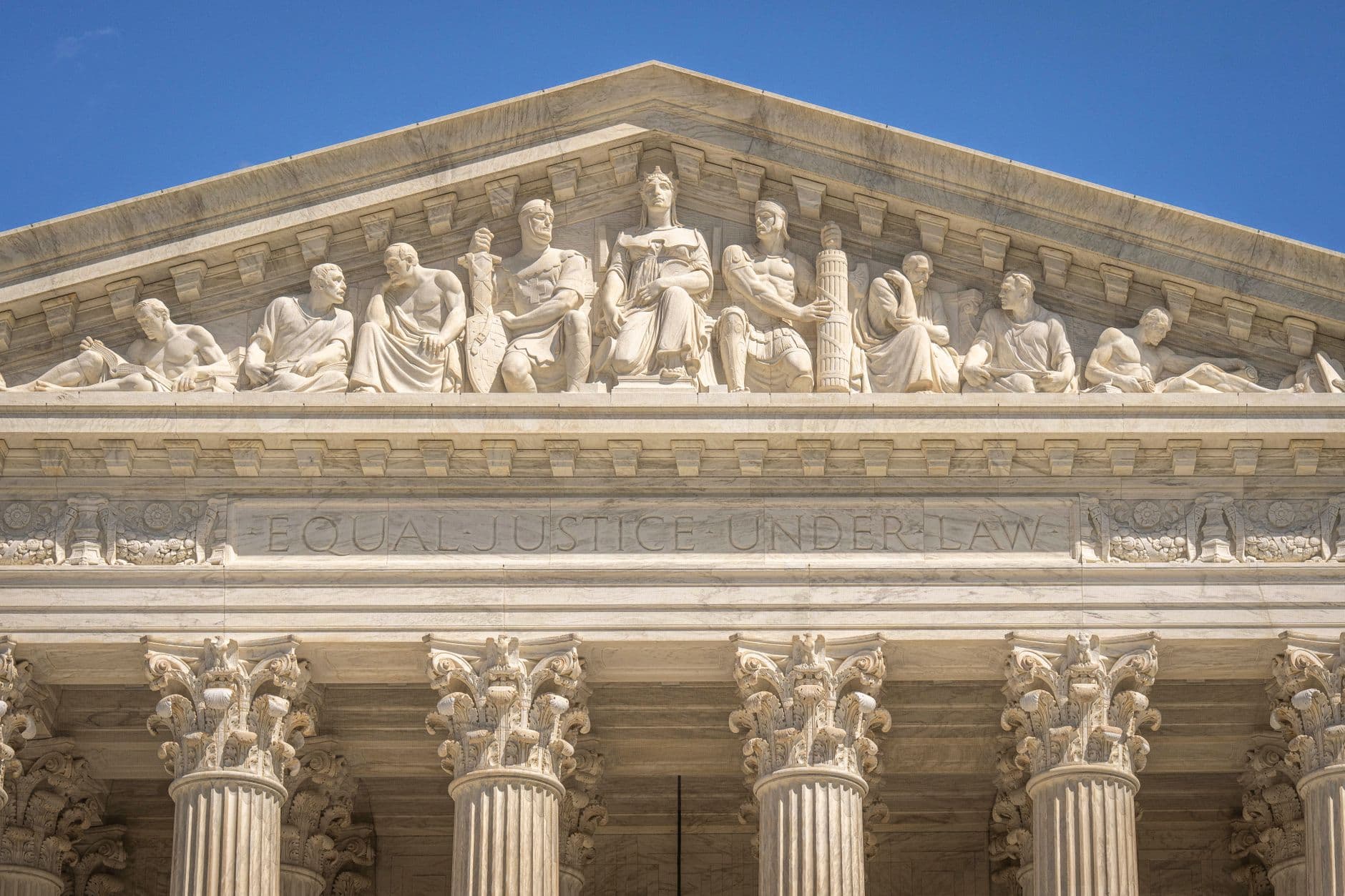
Little v. Hecox puts Idaho in the same frame, extending the same legal battle across state lines and into the next round of school policy fights. The backdrop is United States v. Skrmetti, decided on June 18, 2025, which remains a recent marker of the Court’s continuing involvement in transgender-rights disputes. Together, the cases show a Court prepared to shape not only the boundaries of executive power around Trump, but also the rules that govern students, elections and public institutions heading into another consequential political year.
This article was produced by Prism’s automated news system from verified source data, official records, and press releases, then run through automated quality and moderation checks before publishing. The system is built and supervised by the people who set the standards it runs under. Read our full AI policy.
Know something we missed? Have a correction or additional information?
Submit a Tip