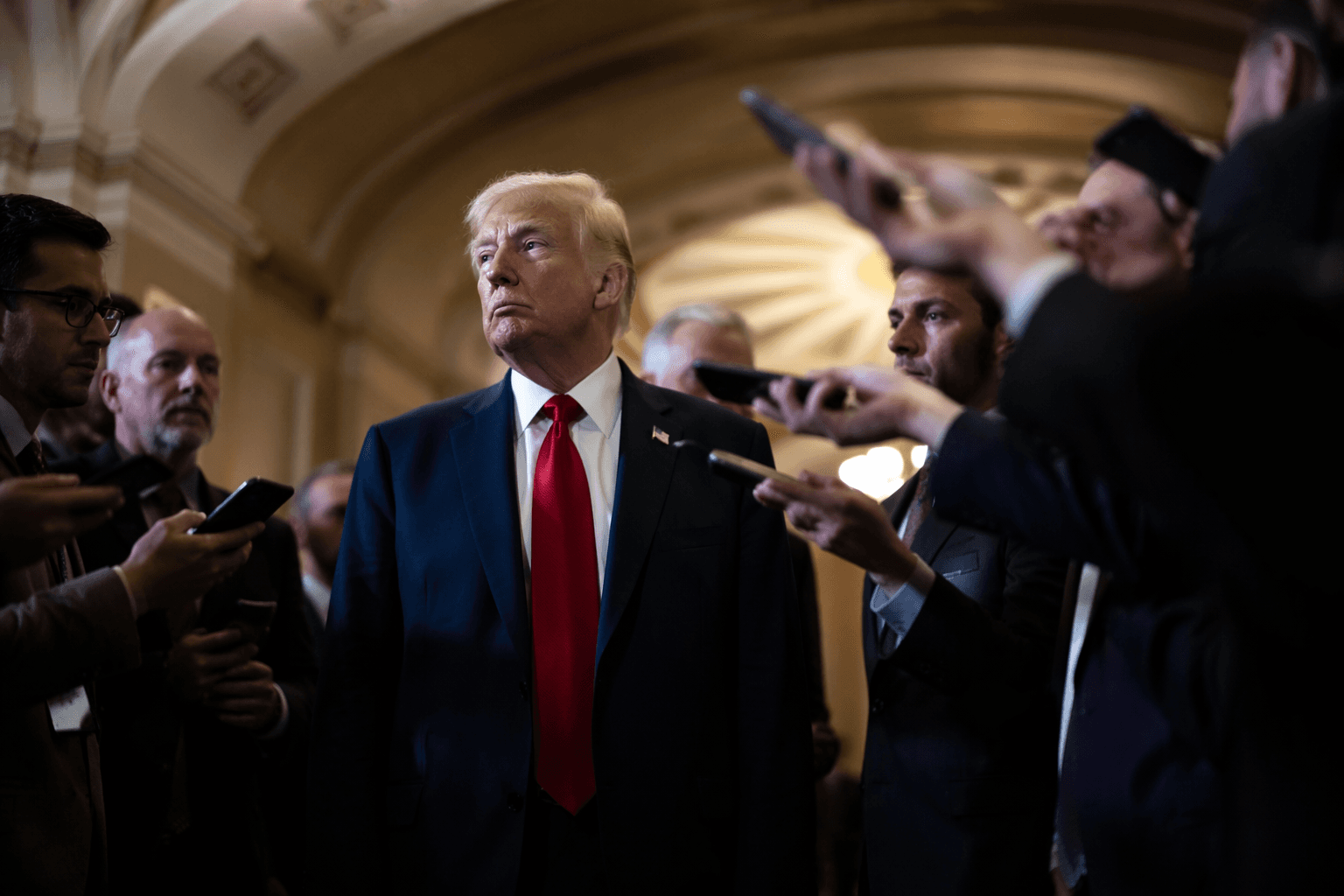
Trump derails intelligence nominee hearing, presses Senate to end filibuster
Trump froze Jay Clayton’s hearing and renewed pressure on Senate Republicans, forcing a test of party unity as a key surveillance power stayed expired.
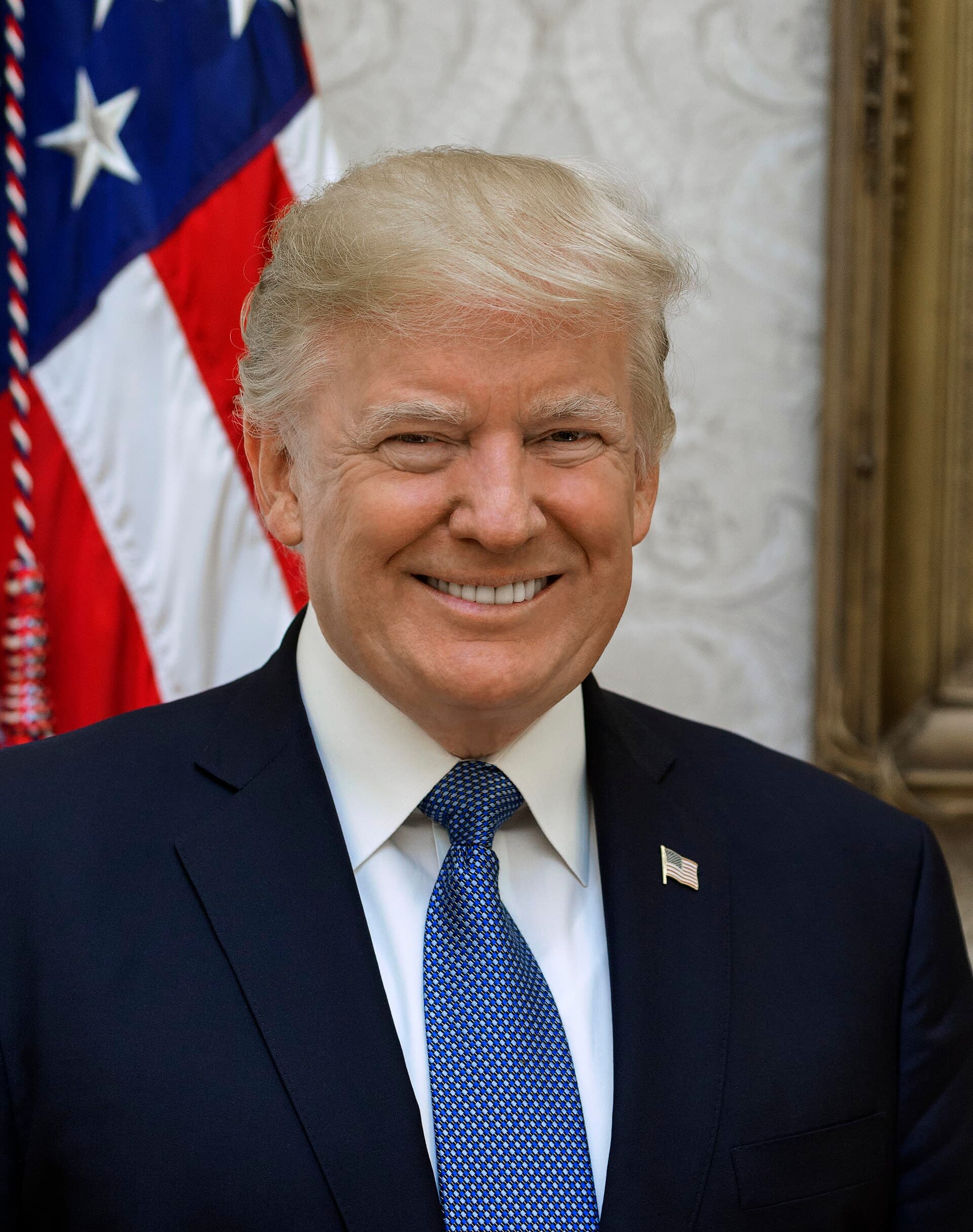
Trump upended Senate Republicans’ plans on Tuesday by saying he would cancel Jay Clayton’s confirmation hearing and pressing lawmakers to end the filibuster. The move turned a routine nominations fight into a broader test of whether Republican leaders can keep the chamber moving while Trump tries to tie national security business to election legislation.
Clayton, Trump’s pick to lead the intelligence community as director of national intelligence, had been slated to face the Senate Intelligence Committee. Chairman Tom Cotton said the hearing was postponed to the “near future” after Trump directed Clayton not to appear, signaling that the White House wanted leverage over the Senate’s schedule.
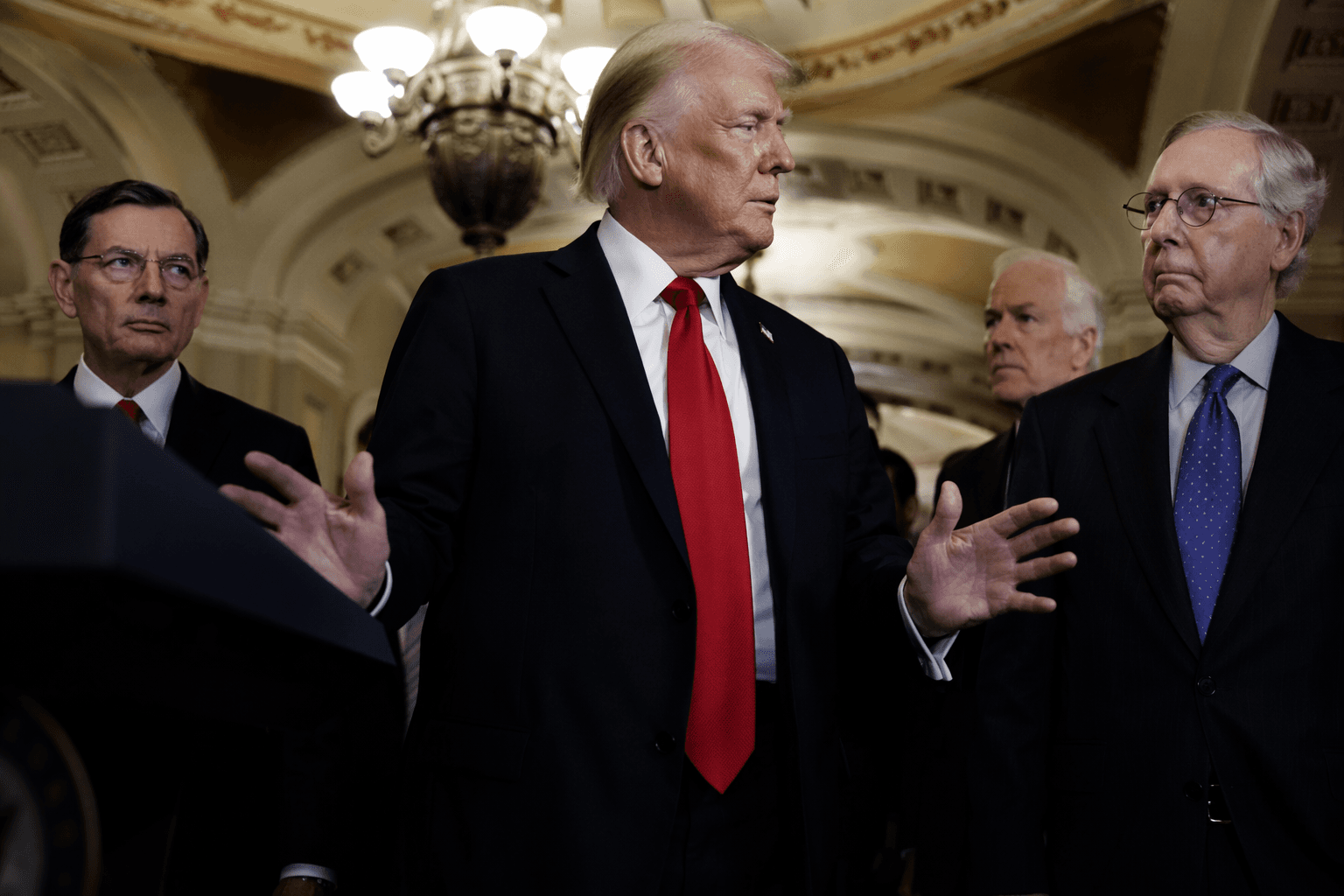
Trump linked the delay to his push for the SAVE America Act, his voting bill that still lacked the votes needed in the Senate. He said he was using Clayton’s nomination to force Congress to act first, even as Senate Republicans were already under pressure to restore Section 702 of the Foreign Intelligence Surveillance Act.
That surveillance authority lapsed on June 12, 2026, after the House rejected a short-term extension by a 198-218 vote. It was the first lapse of Section 702 since the program was created in 2008, and officials have said more than 60% of the president’s daily intelligence briefing relies on information collected under it. The lapse has left U.S. spy agencies and lawmakers facing uncertainty as they weigh whether and how to reauthorize the program.
The clash also sharpened Trump’s fight with Senate Majority Leader John Thune, who has publicly opposed the push to scrap the filibuster and said Republicans do not have enough votes to eliminate it. Thune has argued that the 60-vote threshold remains unchanged, putting him directly at odds with Trump’s demand for a rules rewrite to speed his agenda through the chamber.
For Republican Senate leadership, the standoff exposed a deeper problem than one canceled hearing. Over recent months, Thune has pushed back on Trump over the parliamentarian, surveillance policy and other nominations, while Trump-aligned activists have increasingly attacked him for not being sufficiently loyal. In an election year, the dispute threatens to slow confirmation fights, complicate intelligence reauthorization and further strain the Senate’s already narrow governing majority.
This article was produced by Prism’s automated news system from verified source data, official records, and press releases, then run through automated quality and moderation checks before publishing. The system is built and supervised by the people who set the standards it runs under. Read our full AI policy.
Know something we missed? Have a correction or additional information?
Submit a Tip