RetroTechLab Compares Moog and Korg in 2026, Flags Interface and Voice Differences
RetroTechLab’s buyer’s guide frames Moog as hands-on and monophonic, while Korg favors menu-driven polyphony and broader versatility—buying choice hinges on interface and voice needs.
RetroTechLab published a buyer’s comparison titled "Moog vs Korg Vintage Synthesizer Comparison 2026: Which Legendary Brand Wins?" on March 4, 2026, and its central claim is crisp: choose Moog if you want immediate, tactile control and commanding single-voice parts; choose Korg if you need polyphony, deep programming, and a wider sonic palette. The guide, as summarized by syndicated pieces, lays out those differences alongside market and retailer context so you can match an instrument to workflow and long-term goals.
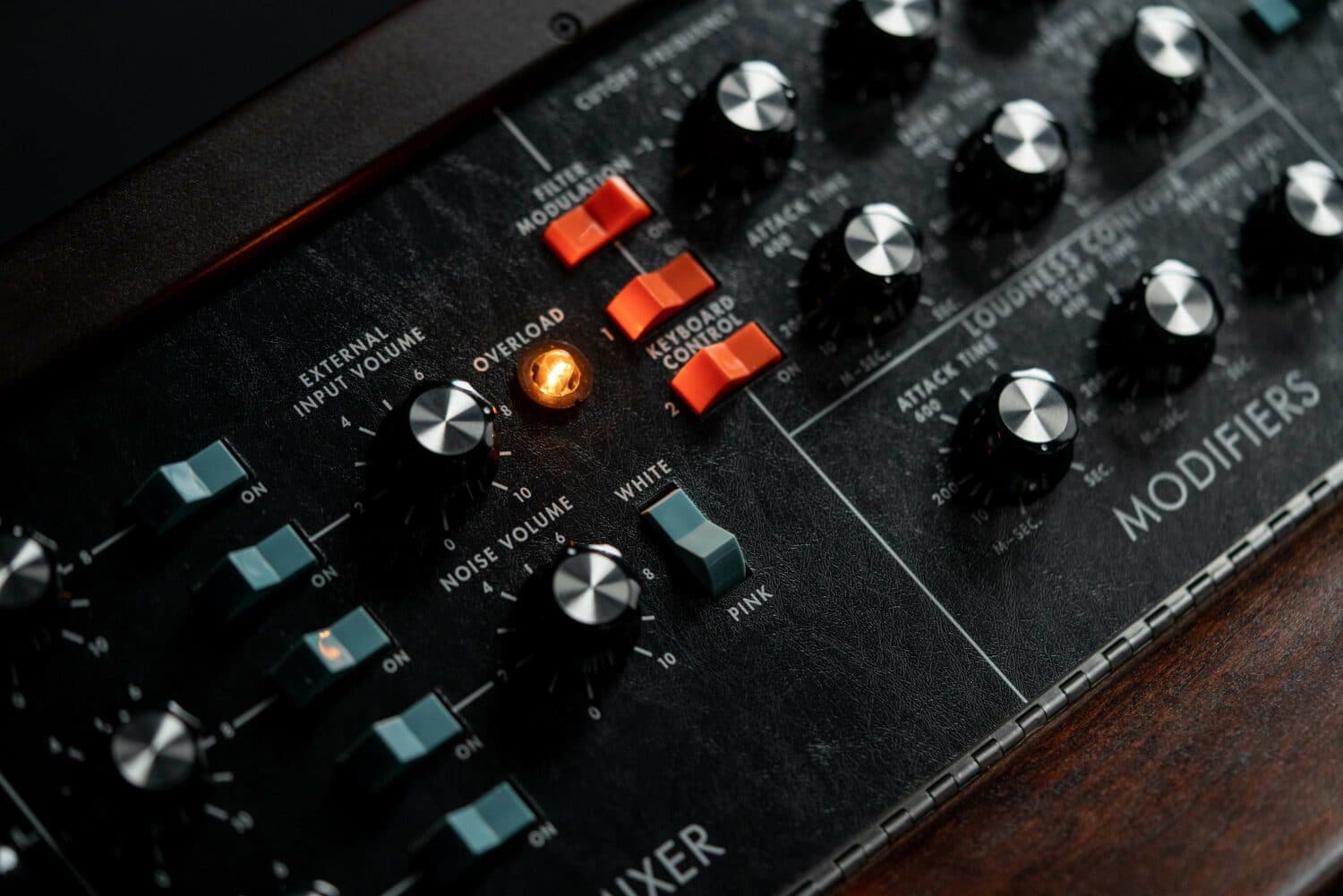
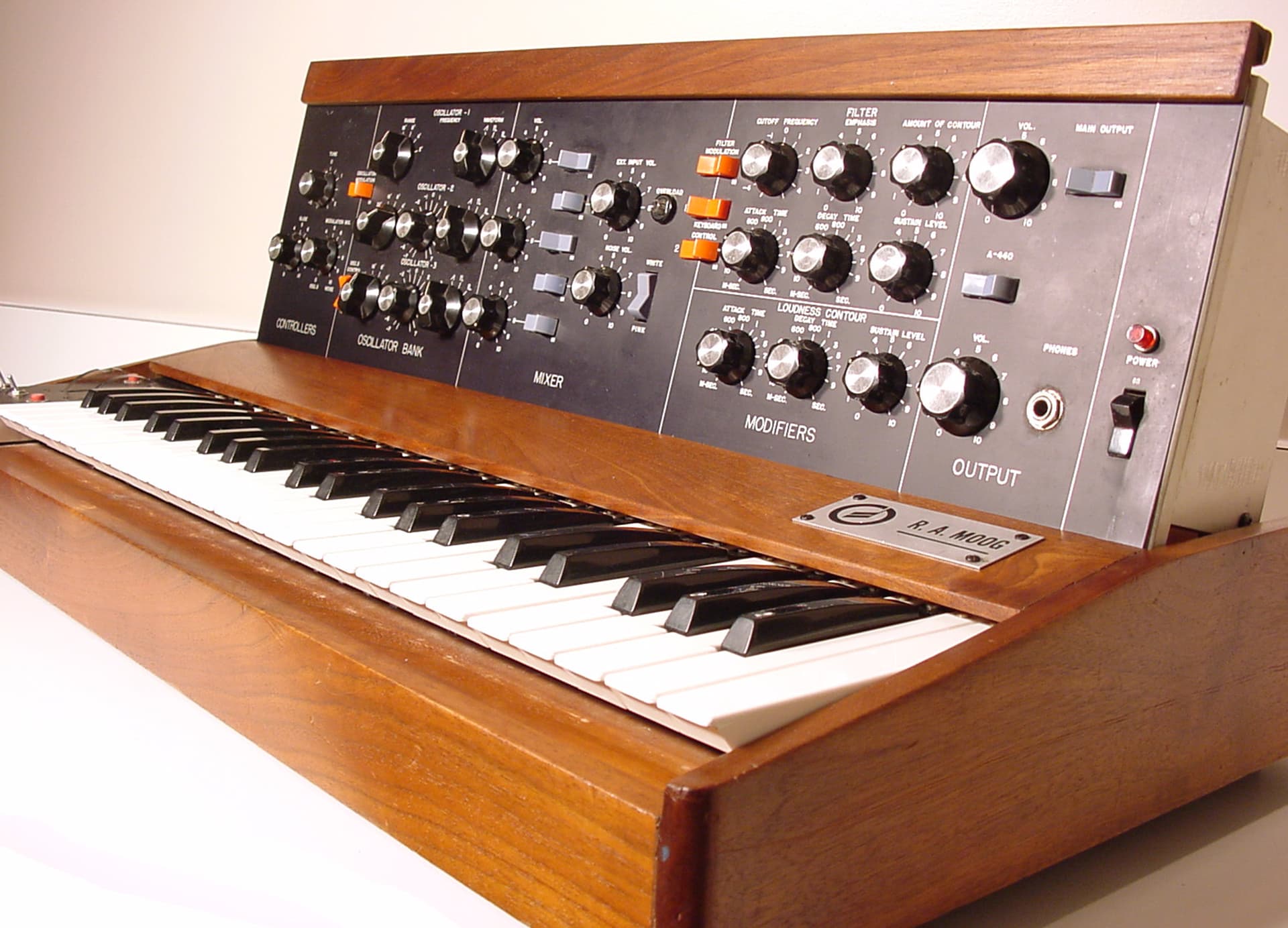
User interface and programming approach RetroTechLab highlights a clear UX split: Moog is celebrated for "direct, knob‑per‑function layouts that permit immediate sound manipulation." That phrase captures more than nostalgia; it describes a workflow where tweaking attack, cutoff, resonance, or envelope is literal and instant. Korg, by contrast, "often incorporates digital displays and menu systems" and these interfaces "offer advanced programming and features that include motion sequencing," according to the same reporting. Practically, that means Moog-style instruments reward hands-on sound design and live tweaking, while Korg-style designs reward deep editing, recallable patches, and sequenced parameter movement.
Instrument architecture, voice-count, and sonic roles RetroTechLab frames Moog synthesizers as often monophonic, a design that excels at "strong basslines and expressive leads." That single-voice orientation is why players reach for Moogs when they want characterful, focused lines with nuanced pitch or filter modulation. Korg, on the other hand, "tends to opt for true polyphony - a feature that allows musicians to play full chords and build layered soundscapes." If your music relies on pads, stacked textures, or chordal motion, Korg’s voice architecture will routinely outpace monophonic designs for immediate harmonic work.
Genre fit and musical applications, via Sam Ash positioning The guide pulls in retailer perspective to translate architecture into musical use. Sam Ash is cited as positioning Moog as an ideal choice for genres ranging from rock and funk to experimental music, where raw, characterful monophonic lines cut through mixes. Sam Ash frames Korg as a flexible option for pop, EDM, and film scoring, where the brand’s layered sounds are more obviously beneficial. These aren’t hard rules, but they’re useful shorthand: Moog for lead/bass personality, Korg for multi-voice textures and production versatility.
Technology mix, versatility, and audience appeal RetroTechLab and its syndicated summaries note that Korg "combines analog and digital technologies for a versatile sonic palette." That hybrid approach underpins Korg’s appeal across skill levels: the guide and retailer commentary both point to a broadened audience, "from hobbyists to professionals." The presence of menu-driven features, onboard sequencing and effects, and digital recall makes Korg instruments attractive for producers who want modern workflow conveniences without giving up analog character.
Price, affordability, and buyer segmentation A striking practical note from the guide is the price framing: "Korg’s models are generally available for under $600, serving as a slightly more budget‑friendly option for beginners." Take that as the guide’s positioning of entry-level and mass-market Korg lines rather than a blanket statement about every Korg product. Attack Magazine coverage of Korg’s recent flagship launches demonstrates the nuance: the Phase8 is priced at $1,799 for desktop and $2,499 for keyboard SKUs, so Korg simultaneously occupies entry-level and premium positions in 2026. RetroTechLab’s affordability point is useful for newcomers shopping on a budget, but be ready to distinguish between entry models and Korg’s higher-tier innovations.

Long-term value and depreciation considerations The buyer’s guide closes with a market-oriented claim that has financial implications: "Market trends suggest that certain vintage Moog synthesizers often retain or even increase in value over time. However, Korg instruments are linked with quicker depreciation - a factor potentially attributed to more frequent new product launches." RetroTechLab presents this as a trend rather than hard auction data, and the guide ties Korg’s refresh cadence to a faster supply of newer models that can soften secondary-market prices. If resale value matters to your purchase calculus, treat these statements as directional and consider seeking concrete sale histories before assuming future appreciation.
Retail support and shopping resources RetroTechLab and its syndicated summaries point shoppers toward Sam Ash as a place to audition and purchase both Moog and Korg instruments. The guide notes that Sam Ash provides "personalized service from its Gear Experts to assist customers in making shrewd purchase decisions" and offers "flexible payment options." Both Money Mymotherlode and Markets Financialcontent repeat a sentence fragment, "Interested parties can view the full selection of synthesizers at", without completing the link in the summaries I reviewed, so follow-up is needed to find the exact retailer pages referenced in the guide or to confirm availability before traveling to a store.
Korg’s recent product activity: Phase8 and KPV, and what it signals Attack Magazine provides specific context that complements RetroTechLab’s depreciation argument by documenting Korg’s active product pipeline. The Phase8 was announced in fall of 2025 and "finally unveiled this exotic animal to the public at NAMM 2026." Attack Magazine calls it "truly unique" and compares its bridging of the physical and electronic worlds to GameChanger’s Motorsynth and the rare Moog guitar. It lists Desktop and Keyboard prices at $1,799 and $2,499, respectively, and reports the Phase8 is expected to ship in spring 2026. The Kaoss lineage is back with the KPV, which, after more than ten years since a serious refresh, adds a "new dual touch interface and upgraded sampling and looping capabilities" and catalogs "a deep catalog of more than 200 onboard audio effects." Attack Magazine also enumerates KPV’s multifunction roles as an effects processor, looper workstation, expressive MIDI controller, sampler, and USB audio interface. These launches show why RetroTechLab links frequent new product introductions to Korg’s market dynamics.
- If you prioritize live performance and hands-on sculpting, follow the "direct, knob‑per‑function layouts that permit immediate sound manipulation" route and lean Moog.
- If you need chords, pads, and studio-friendly recall plus motion sequencing, favor Korg’s "true polyphony" and menu-driven power.
- If budget is the main gate, note RetroTechLab’s claim that many Korg models sit under $600 for beginners, but confirm which models you’re comparing since Korg also makes $1,799-$2,499 flagships.
- Factor resale: RetroTechLab suggests Moog often retains or rises in value, while Korg may depreciate faster due to frequent new models.
Practical buying checklist based on RetroTechLab
Conclusion RetroTechLab’s buyer’s guide frames a classic tradeoff in clear terms: interface and voice architecture drive very different creative habits and market outcomes. Moog gives you immediate, sculptural control and a single-voice identity; Korg gives you polyphonic breadth, hybrid tech, and a fast-moving product stream that expands possibilities but complicates long-term value. For anyone buying in 2026, the practical decision comes down to whether you want a single voice that demands attention or a multipalette instrument that layers and produces; each path is a distinct creative ecosystem, and RetroTechLab’s comparison makes that choice easier to see.
Know something we missed? Have a correction or additional information?
Submit a Tip