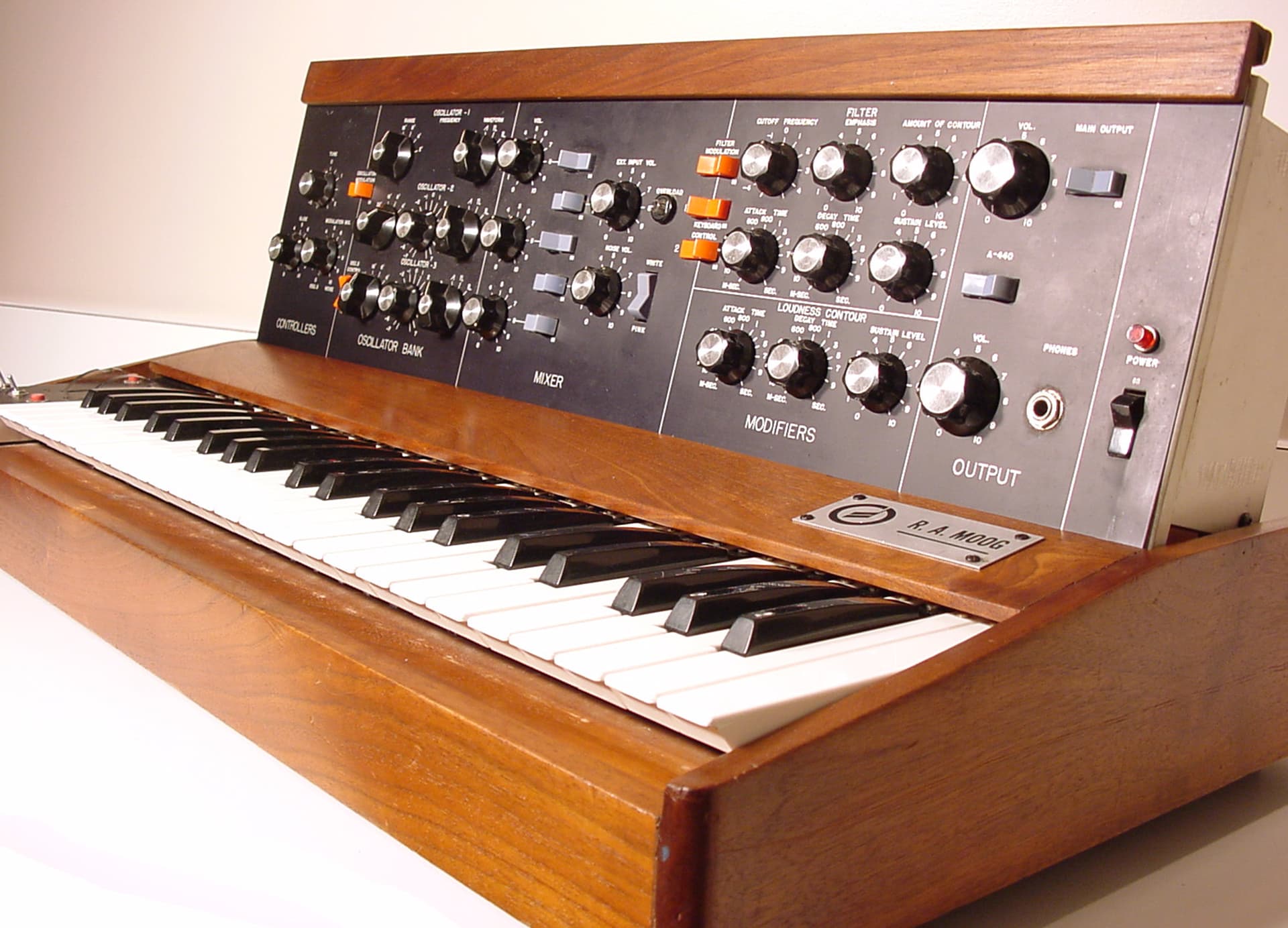
Six Minimoog Model Ds Chained Into Monstrous Six-Voice Polysynth
Reverb News hooked six Minimoog Model D units together on camera to make a literal six-voice Moog polysynth, while a separate Teensy-based MiniTeensy project offers a six-voice VA alternative.
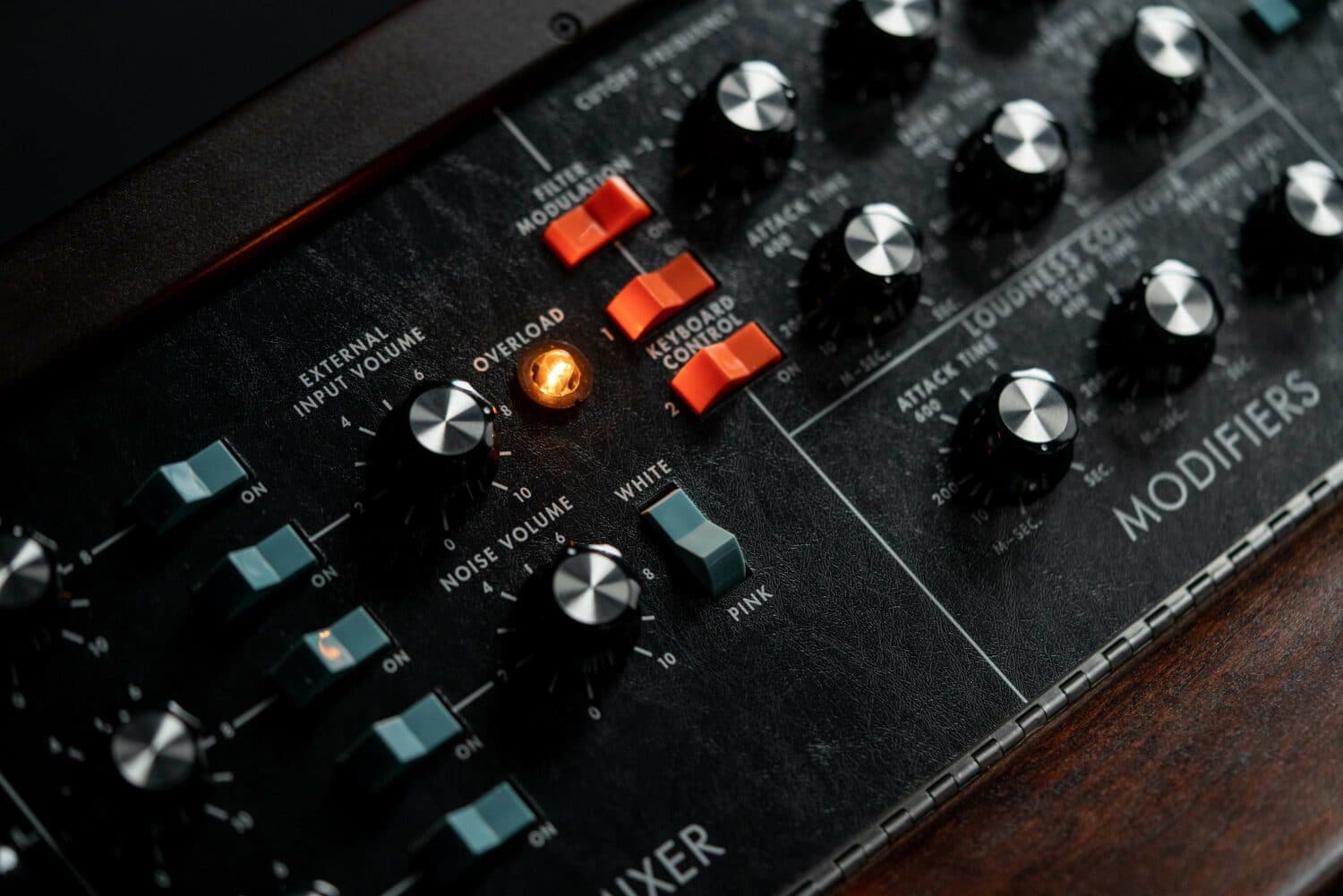
Reverb News put six Minimoog Model D instruments on camera and, in a short feature and demonstration video, literally chained them to produce a six-voice Moog polysynth. The piece opens with the blunt line, “The Minimoog Model D is famously monophonic. So we connected six of them together to build a monstrous six-voice Moog polysynth.” The original feature frames the rig as a showpiece: “The build is presented as a showpiece project rather than a commercial product — a celebrat.”
The video clearly aimed for spectacle, showing multiple Model D front panels and the resultant layered audio, but the feature excerpt stops short of engineering diagrams. The Reverb clip does not list how the six Minimoogs were patched together, whether the chain used CV/Gate, MIDI, or a multi-channel keyboard, nor does the excerpt name the builder, the ownership of the instruments, or the steps taken to keep six vintage oscillators in tune for performance.
Running parallel to that hardware stunt is a software-and-microcontroller approach reported separately by Synthtopia. The piece titled “DIY MiniTeensy Is An Open Source Polysynth, Based On The Minimoog Synth Voice” introduces developer Nick Culbertson and his MiniTeensy project, described explicitly as a 6-voice polyphonic VA synth inspired by the Minimoog Model D and implemented on a Teensy 4.1 microcontroller. Culbertson is quoted, “This project is a good representation of the surprisingly decent audio quality and limitation of microcontroller synths.”
Synthtopia lists feature highlights that will matter to builders: “The synth offers comprehensive synthesis options, with USB audio/MIDI and intuitive menu control,” and reports that “The synth is available now as an open-source DIY project now on GitHub.” The article points readers to a demo video for sound previews and to the repository for code and builds, positioning MiniTeensy as a reproducible alternative to hardware chaining.

Community response on the Synthtopia page shows active replication and troubleshooting. One commenter wrote, “Worthy tribute, it sounds very good. I am impressed.” Another reported hands-on success and a hardware tweak: “I managed to reproduce the synth in Jan 2026.Thank you for writing a well documented code. Button was glitching on pin 13 due LED, changed to a different pin.”
Two distinct practices for six-voice Minimoog-style polyphony emerge from these reports: Reverb’s physical, six-Model-D spectacle captured in a demonstration video dated March 4, 2026, and Culbertson’s MiniTeensy, a Teensy 4.1-based, open-source 6-voice VA available on GitHub and already reproduced by community members in January 2026. Both projects underline a common impulse in the vintage synth community, one toward maximal vintage hardware display and the other toward compact, shareable microcontroller emulation.
Know something we missed? Have a correction or additional information?
Submit a Tip