Reuters 2025 Digital News Report: Social Media Beats TV for U.S. News
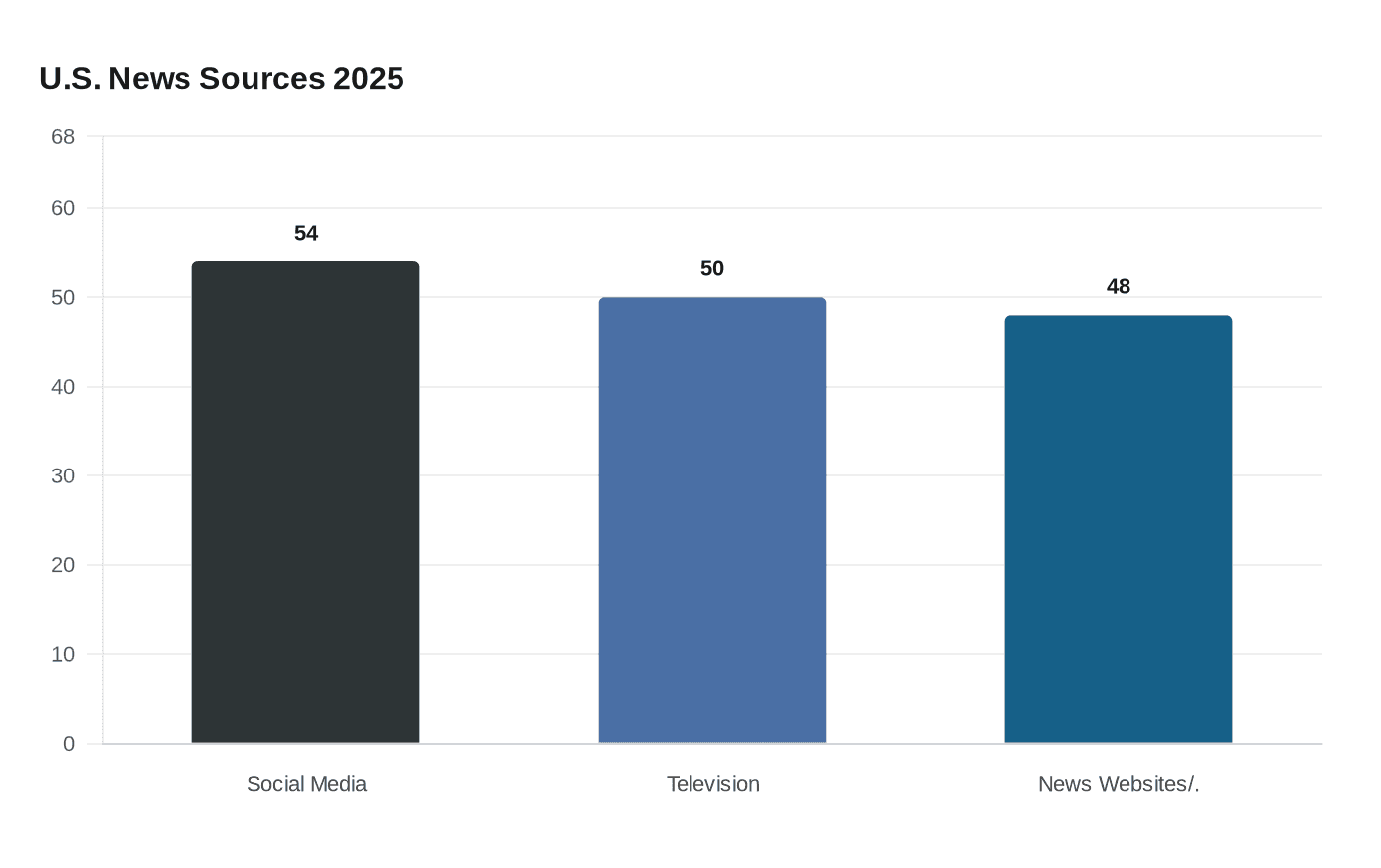
Social media reached 54% of U.S. news consumers in 2025, surpassing TV for the first time, as 58% globally say they can't tell real from fake online.
For the first time in measured history, more Americans are getting their news from social media than from television. The Reuters Institute for the Study of Journalism at the University of Oxford released its annual Digital News Report covering 47 markets worldwide, and the numbers reveal a media landscape reshaped by platform migration, eroding institutional trust, and a public struggling to separate fact from fiction.
Social media and video networks reached 54% of U.S. news consumers, overtaking both television news at 50% and news websites and apps at 48%. The shift represented a six-percentage-point increase year-on-year, a pace that surprised even researchers tracking the long-term decline of broadcast news. The survey data was collected shortly after President Donald Trump's inauguration in January 2025, a moment of intense political engagement that likely amplified social platform activity.
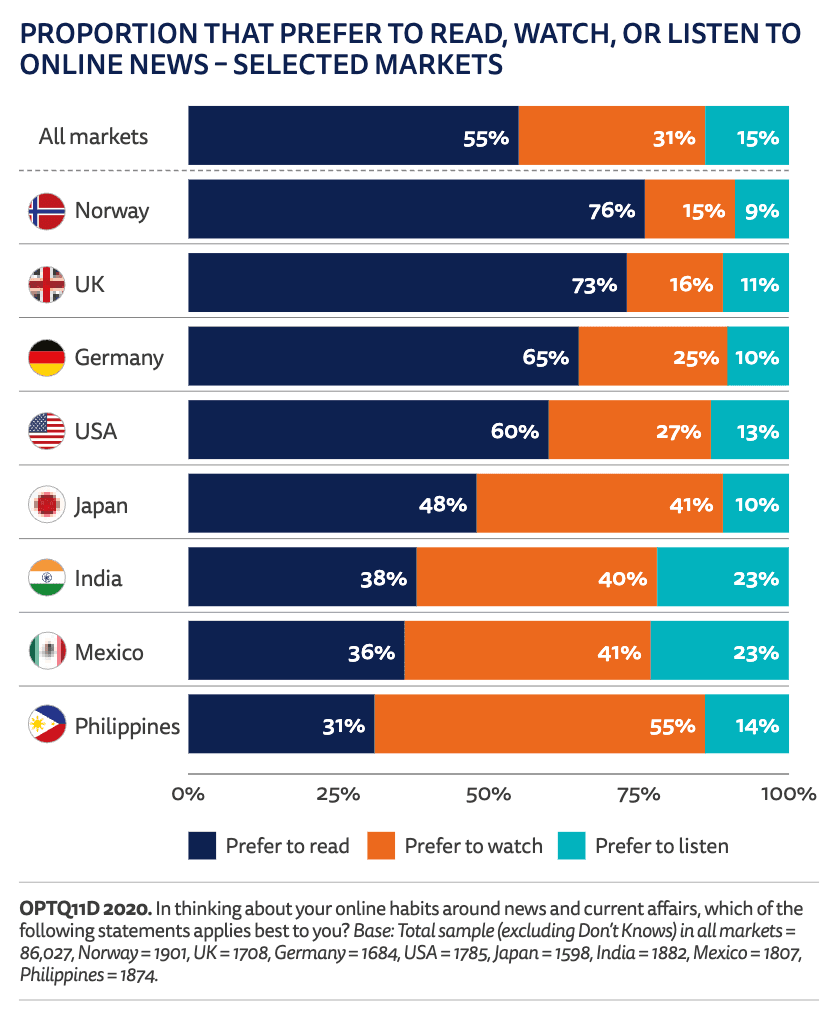
The generational dimension of this shift is stark. Among adults aged 18 to 24, 44% now identify social media as their primary news source. Meanwhile, video-based news consumption rose from 52% in 2020 to 65% in 2025, reflecting a broader preference for watching over reading that has accelerated across demographics.

Lead author Nic Newman described an accelerating shift toward social media and video platforms that is supercharging a fragmented alternative media ecosystem. Trump's 2024 success, the report notes, was tied in part to his cultivation of an alternative media landscape including podcasters and YouTubers, a strategy that has continued into his presidency.
The trust picture is arguably more consequential. Across all 47 markets surveyed, 58% of respondents said they are worried about their ability to distinguish what is real from what is fake online, a finding that places the misinformation crisis squarely at the center of modern civic life. AI chatbots, despite their growing prominence, ranked last among verification tools, with only 9% of respondents turning to them to double-check information — a notable result given how aggressively technology platforms have promoted AI as a news utility.
Publishers remain concerned that as major tech platforms integrate AI summaries and other news-related features, traffic flows to their websites and apps could further decline. At the same time, the report found that all generations still prioritize trusted news brands with a track record for accuracy, even if they use them less frequently than before.
The report was released against a backdrop the Reuters Institute itself described as "deep political and economic uncertainty, changing geo-political alliances, not to mention climate breakdown and continuing destructive conflicts around the world." The phrase could serve as a capsule summary of the news environment driving audiences toward the speed and accessibility of social platforms, even as those platforms remain the primary vectors for misinformation.
Fact-checkers have less brand recognition and reach than major news outlets, but they are breaking through in critical moments. The question the data leaves open is whether that occasional impact is sufficient to counter a structural shift that has placed the gatekeeping function once held by editors and producers into the hands of algorithmic recommendation systems and viral sharing.
This article was produced by Prism’s automated news system from verified source data, official records, and press releases, then run through automated quality and moderation checks before publishing. The system is built and supervised by the people who set the standards it runs under. Read our full AI policy.
Did this article answer your question?