Reuters poll sees Bank of England holding rates, but hikes loom
All 65 economists saw a June hold at 3.75%, yet nearly 40% still expect at least one Bank of England hike before year-end.

The Bank of England is heading toward its June 18 meeting with a hold effectively locked in, but the real message from economists is that the tightening cycle may not be over. All 65 economists in the poll expected Bank Rate to stay at 3.75%, yet nearly 40% still forecast at least one hike before the end of 2026, a split that points to a prolonged period of pressure for borrowers, markets and policymakers.
That divide matters because it shows how quickly the debate has shifted from timing to direction. Only six economists expected a quarter-point cut by December, while the median view was that rates would stay where they are through the rest of the year. With inflation seen peaking at 3.6% late in 2026 before easing to 2.6% in 2027, the market is being forced to reckon with a central bank that is not yet ready to declare victory over price pressures. Growth is still forecast to be modest at 1.0% in 2026 and 1.1% in 2027, leaving little room for a policy mistake.
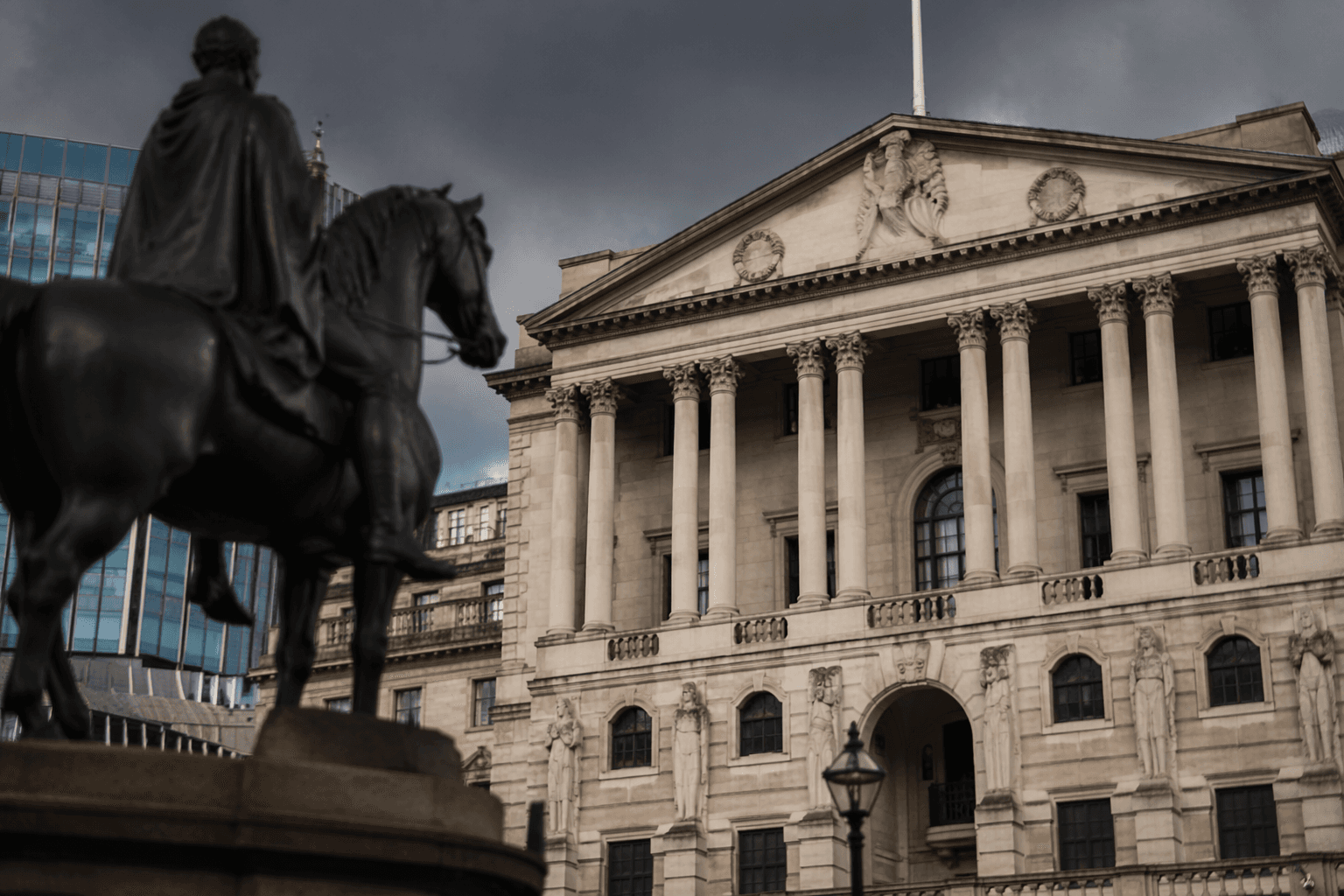
The Bank’s own latest readings underline why the minority hawkish camp has not gone away. Its materials put inflation at 2.8%, while also noting that it had risen to 3.3% and was expected to climb further this year as the Middle East conflict pushed energy prices higher and kept them highly uncertain. At the April 29 meeting, the Monetary Policy Committee voted 8-1 to keep Bank Rate at 3.75%, with one member calling for a rise to 4.0%, a sign that the internal debate is already alive.

That tension has sharpened in recent speeches. Megan Greene, speaking on June 2 about the inflation risks of the recent energy shock, argued that a more proactive approach may be needed after successive supply shocks and warned that second-round effects through wages and prices could take time to judge. Andrew Bailey, in a May 29 speech in Reykjavík, said policy needed to keep inflation anchored in an unpredictable world and avoid reacting mechanically to every shock.
For households, the implication is straightforward: mortgage costs may stay elevated for longer, and the prospect of another increase could keep lenders cautious on pricing. For businesses, especially smaller firms that rely on bank credit, the combination of sticky inflation and a possible further hike means borrowing costs are unlikely to ease soon. The June meeting may deliver a pause, but the poll suggests the Bank of England is still fighting to prove that pause is not the prelude to another move up.
This article was produced by Prism’s automated news system from verified source data, official records, and press releases, then run through automated quality and moderation checks before publishing. The system is built and supervised by the people who set the standards it runs under. Read our full AI policy.
Did this article answer your question?

