Reuters report ties Houston trader Ikon Midstream to fuel-smuggling probe
U.S. agents seized computers at Ikon Midstream’s Houston office as Mexican investigators linked its fuel trade to a CJNG smuggling case and tax evasion scheme.

A Houston petroleum trader has become a test case for how legal-looking fuel paperwork can conceal a cross-border smuggling network. U.S. authorities raided Ikon Midstream’s headquarters and seized computers and documents, while Mexican investigators examined the company in connection with fuel shipments tied to allegations of tax evasion and cartel links.
Three Mexican security sources and four Mexican government documents showed that Ikon Midstream was under investigation in Mexico over fuel smuggling. The case sits inside a larger probe of maritime shipments of petroleum products brought from the United States and Canada into Mexico in an alleged scheme to dodge steep import duties on diesel and gasoline. One document described Ikon as one of the central pieces in a suspected arrangement linked to the Jalisco New Generation Cartel, or CJNG, one of Mexico’s most powerful criminal organizations.
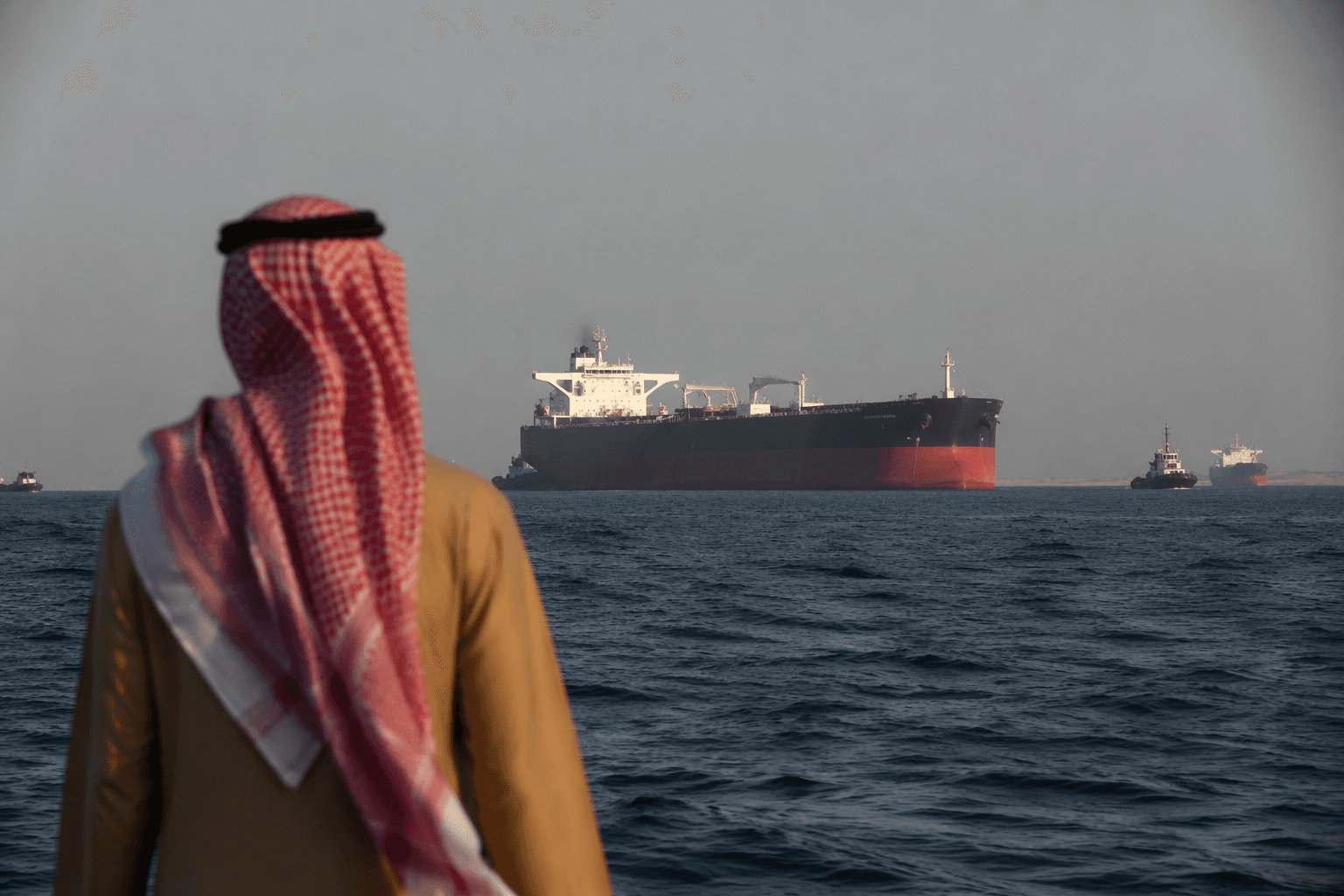
The paper trail points to a March 2025 shipment aboard the tanker Torm Agnes, which carried about 120,000 barrels of diesel. The cargo ended up with Intanza, a Monterrey-based company that Mexican security sources suspect is a CJNG front. In shipping paperwork, the product was declared as lubricants, a classification that can avoid the heavy duties imposed on fuel. A CJNG-related trucking company helped unload cargo in Ensenada and Guaymas, extending the route from tanker to terminal to trucks and showing how the scheme relied on multiple hands rather than a single border crossing.
That structure is what makes the case so revealing. The documents described a wider network of importers, transporters, distributors and facilitators, underscoring how fuel fraud can operate as a transnational business. U.S. Treasury and the Financial Crimes Enforcement Network warned on May 1, 2025 that CJNG-linked fuel theft and oil smuggling networks generate hundreds of millions of dollars a year, while cartels are stealing billions of dollars of crude oil from Pemex, Mexico’s state oil company. For Mexico, the losses hit both tax revenue and energy enforcement, from port receipts to refinery-linked supply chains.
Ikon’s own shipping history suggests the scale. Earlier findings showed the company declared it shipped lubricants from the United States to Mexico 149 times between October 11, 2019, and May 4, 2025, including 67 tanker loads. That volume highlights the blind spot in border enforcement: a trade route that can look routine on paper while moving product that investigators say belongs in a cartel-finance case.
Ikon Midstream has denied wrongdoing. Executive director Rhett Kenagy said there was no documentation to support the claims and that the company would not respond to accusations based on hearsay. Mexico’s president, Claudia Sheinbaum, said on October 23, 2025 that U.S. businesspeople were involved in fuel-smuggling cases under investigation, adding that illegal fuel could not move from the United States into Mexico without such participation. The FBI declined to comment on the raid, and the Department of Homeland Security, Customs and Border Protection and Mexico’s presidency did not respond, leaving the investigation to speak through the shipping records, the warrants and the cargo manifests.
This article was produced by Prism’s automated news system from verified source data, official records, and press releases, then run through automated quality and moderation checks before publishing. The system is built and supervised by the people who set the standards it runs under. Read our full AI policy.
Did this article answer your question?