Reynolds donation precedes Trump administration’s new e-cigarette policy shift
Reynolds backed MAGA Inc. about a week before the FDA eased the path for flavored vapes, sharpening questions about access, timing and policy influence.
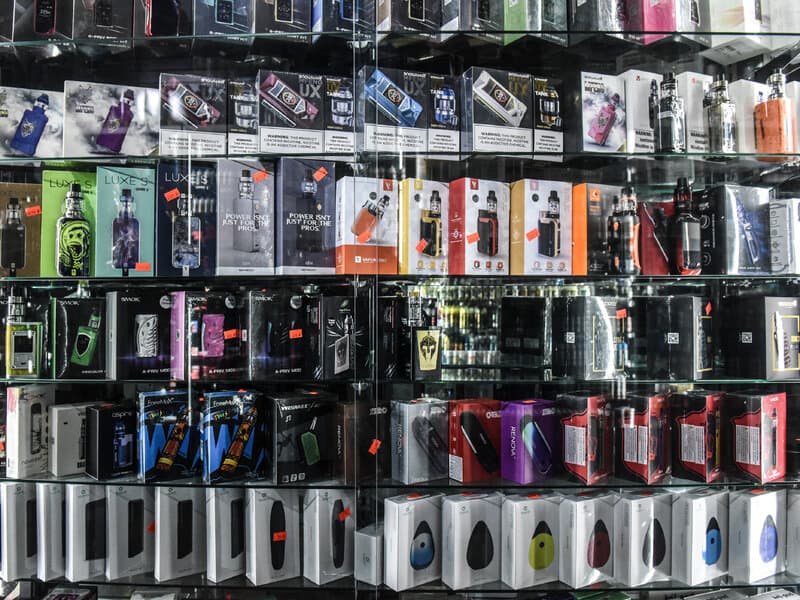
Reynolds American’s money landed in Donald Trump’s political operation about a week before the administration moved on the flavored-vape policy the company had been pressing for. That sequence has put a spotlight on whether campaign cash, lobbying and regulatory change converged in a way that favored the tobacco company’s business interests.
The Food and Drug Administration opened a public comment period on draft guidance for flavored e-cigarettes on April 8, 2026, setting a May 11 deadline for responses. Less than a month later, on May 6, the agency announced its first authorization of fruit-flavored e-cigarettes intended for adult smokers. Public health advocates and parent groups warned that flavors help drive youth vaping, while industry supporters argued flavored products can help adult smokers move away from cigarettes.
Reynolds had already been pressing Washington on a separate front. In a March 11, 2025 letter to the Office of the United States Trade Representative, the company’s U.S. subsidiary urged a ban on imports of all disposable vapes from China and proposed tariffs on other Chinese-made e-cigarettes and smoking alternatives. The company’s argument tracked the industry’s broader claim that enforcement, not new restrictions, should be aimed at unauthorized products. British American Tobacco estimated that unauthorized disposable vapes accounted for about 70% of roughly $12.93 billion in annual U.S. vape sales, underscoring how much of the market tobacco companies see as outside the approved channel.
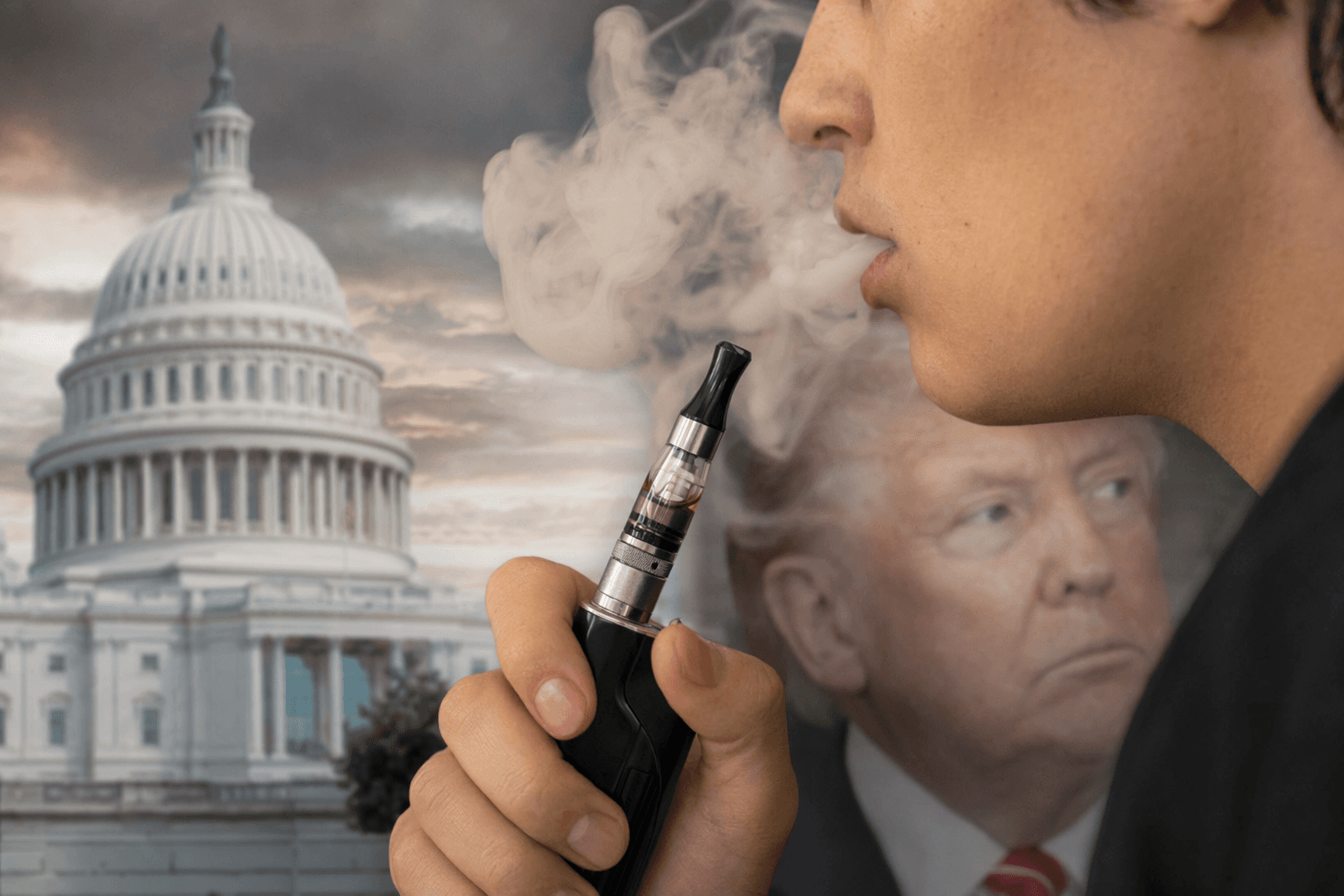
The regulatory ground had also been shaped by the courts. On June 20, 2025, the Supreme Court in FDA v. R.J. Reynolds Vapor Co. upheld the FDA’s authority framework over e-cigarettes. The justices noted that the agency had treated e-cigarettes as new tobacco products since 2016 and had previously deferred enforcement while manufacturers sought approval. That backdrop left the FDA with broad discretion over which products could stay on the market, and which claims about adult cessation benefits could be credited.
Reynolds American’s political giving added another layer. RAI Services Co., a Reynolds subsidiary, gave a combined $10 million to MAGA Inc. in 2024. By June 30, 2025, the super PAC had raised $198.9 million, more than six times the previous presidential super PAC record at that point in the cycle, according to the Brennan Center for Justice. The fund’s scale made it one of the most powerful money vehicles in Trump’s orbit.
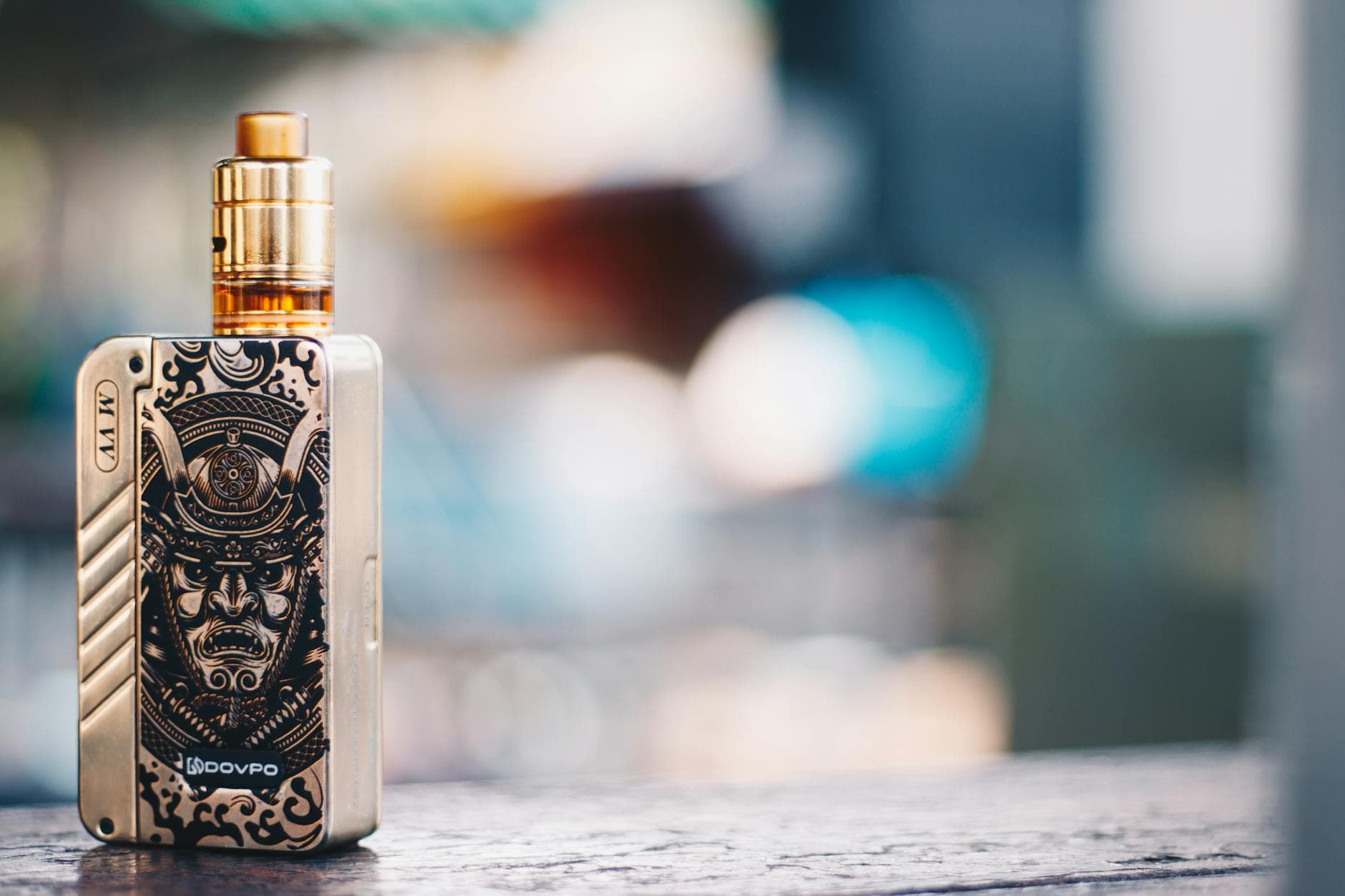
The latest vape decision deepened the political blowback. FDA Commissioner Marty Makary resigned on May 12, 2026 amid clashes over flavored vape approvals, as the White House, tobacco companies and health officials fought over how far to relax the rules. The central question now is whether the money, the lobbying and the policy changes were merely parallel developments, or evidence that access helped shape a decision with major consequences for youth vaping and competition in the U.S. market.
Know something we missed? Have a correction or additional information?
Submit a Tip