Richardson Council advances strategies to expand affordable housing supply
Richardson City Council reviewed Grow America recommendations to increase affordable for-sale and rental housing and directed staff to pursue zoning changes and Opportunity Zone applications. This could affect older homeowners, working families and rental workers.
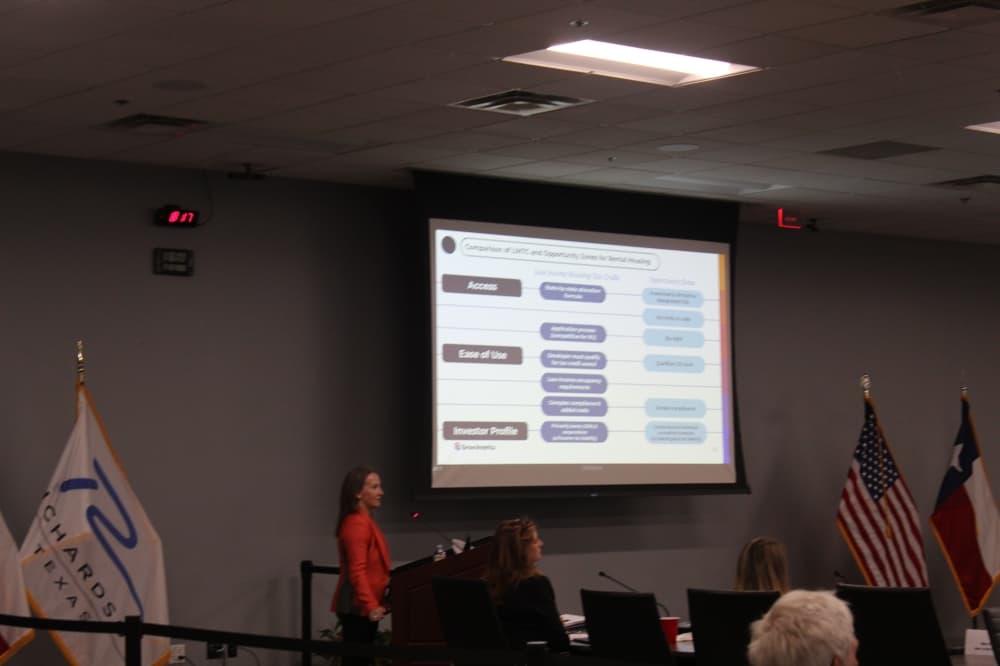
Richardson City Council moved forward on a slate of proposals aimed at expanding affordable housing options after a presentation by Grow America field director Maureen Milligan at the Jan. 14 meeting. Council members directed city staff to pursue next steps, including a review of the zoning ordinance and applications for Opportunity Zone designation, signaling a shift toward policy tools intended to increase supply of lower-cost homes and preserve neighborhoods for longtime residents.
Grow America’s recommendations focused on three priorities: enabling low-income older homeowners to age in place, increasing reasonably priced for-sale housing for families through so-called missing middle development such as townhomes and duplexes, and expanding well-maintained rental options for lower-wage workers. Specific policy suggestions included modernizing the city’s zoning ordinance to allow missing-middle development, pursuing Opportunity Zone designations to attract investment, creating nonprofit financing vehicles such as housing finance and public facility corporations, and launching a targeted home repair program that could use Community Development Block Grant dollars.
Those proposals address two persistent challenges for Richardson residents: a shortage of for-sale homes at moderate price points and the maintenance needs of older homeowners on limited incomes. Allowing townhomes and duplexes in more neighborhoods is intended to offer family-sized, for-sale alternatives to single-family detached homes without relying solely on large-scale apartment construction. A home repair program funded through CDBG dollars could help low-income seniors and homeowners address deferred maintenance that otherwise forces moves out of the city.
Institutionally, the council’s instruction to staff sets a familiar local-government pipeline: ordinance review, stakeholder engagement, and potential formal applications or code amendments. Pursuing Opportunity Zone designation would be an economic development tactic designed to attract private capital to targeted blocks, while nonprofit financing vehicles would aim to channel lower-cost capital and operate with community-focused governance. Each approach will require council approvals and likely public hearings before any zoning or program changes become final.
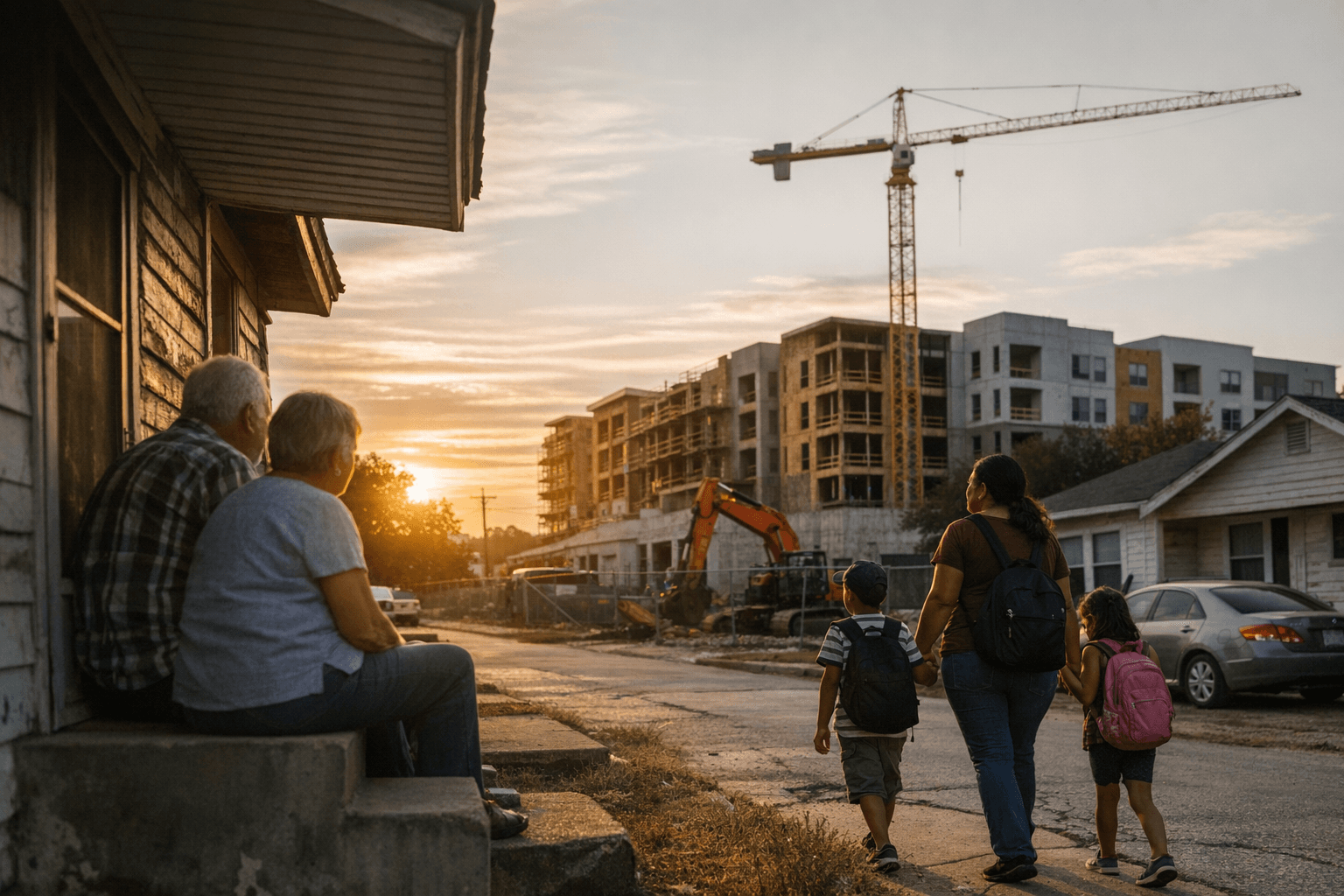
For residents, the proposals could translate into new housing types in established neighborhoods, funding to keep older homeowners safe and habitable in their homes, and potentially more investment in corridors that qualify for Opportunity Zones. At the same time, these tools raise questions about design standards, neighborhood character, and safeguards against displacement — matters the city will need to address during ordinance review and any subsequent public engagement.
Next steps are administrative: city staff will begin zoning review and explore Opportunity Zone applications and financing structures. Residents should watch for public notices as the process moves toward drafts, hearings and council votes that will determine how these recommendations are implemented and who ultimately benefits.
Sources:
Know something we missed? Have a correction or additional information?
Submit a Tip