Right-wing outsider De La Espriella leads Colombia presidential race
Abelardo de la Espriella's 44 percent first-round showing put Colombia's runoff on a collision course with Washington. Trump backed him, and Petro called that election interference.
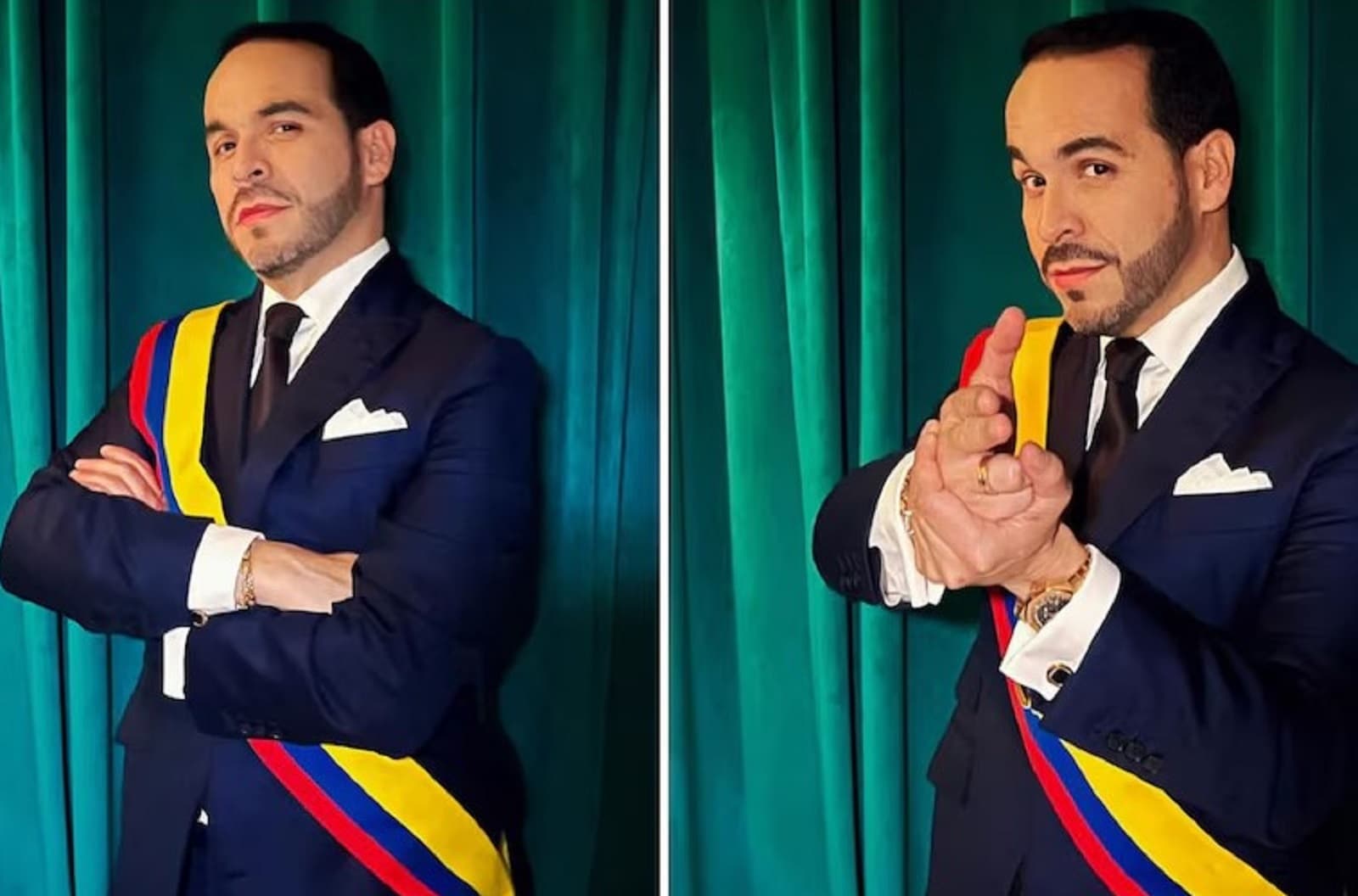
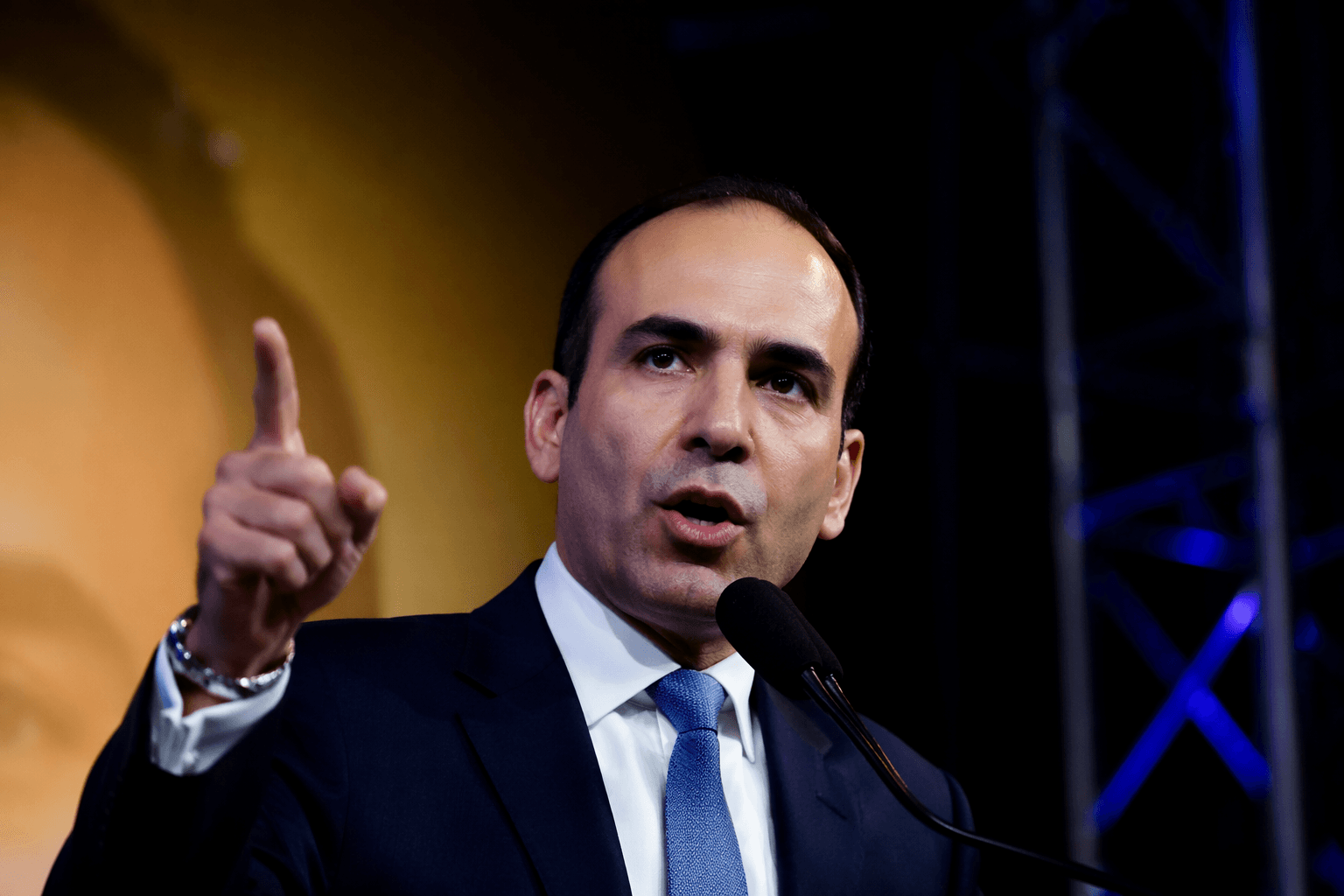
Abelardo de la Espriella's surprise 44 percent first-round finish has turned Colombia's runoff into a referendum on force: whether a military-led drug war can reverse years of failed eradication and reset a strained relationship with Washington. The right-wing political outsider and criminal defense lawyer has built his campaign around vows to destroy traffickers with military power.
Colombian authorities certified the first-round results on June 4 after the May 31 vote, with left-wing senator Iván Cepeda taking 41 percent. The runoff was scheduled for June 21, and the winner is set to take office on August 7. In a race that was orderly and peaceful on election day, de la Espriella outperformed poll expectations, while analysts said the result reflected both anger over insecurity and exhaustion with the political establishment.
De la Espriella has promised military strikes on drug-trafficking targets and a return to aerial fumigation of coca crops, aligning himself with leaders such as Salvadoran President Nayib Bukele and Argentine President Javier Milei. President Donald Trump endorsed him, and President Gustavo Petro denounced that backing as election interference. Petro, who is constitutionally barred from seeking a second term, has become a polarizing figure: supporters credit him with labor reforms and historic minimum wage increases, while critics point to corruption scandals, his softer approach to coca eradication, and record cocaine production during his “total peace” negotiations with armed groups.
Washington has sharpened the stakes. On October 24, 2025, the State Department said Secretary of State Marco Rubio would not certify Colombia’s counternarcotics efforts, after Trump determined on September 15, 2025, that Colombia was “failing demonstrably” to meet drug-control responsibilities. The department said narcotrafficking and narcoterrorism were driving violence, corruption and instability, and the Trump administration has pressed Bogotá on the issue while Congress reduced foreign assistance to Colombia and imposed new conditions on aid.
The return of hardline rhetoric also revives a familiar question: has militarized drug policy worked? Colombia has received more than $10 billion in U.S. assistance since the late 1990s under Plan Colombia, and roughly $15 billion since 2000, yet coca and cocaine production remain major problems. The Petro administration’s de-emphasis of coca eradication coincided with record cocaine output, reinforcing the case for tougher action among de la Espriella’s allies and Washington hawks alike.
He would inherit a fragmented legislature as well. In the March 8 legislative elections, Petro’s Historic Pact won the most Senate and House seats, but no bloc secured a majority, making coalition-building essential for any president who wants to govern. For Colombia, the next four years may determine whether the country leans back toward armed eradication, or keeps searching for a drug strategy that has so far failed to deliver peace.
This article was produced by Prism’s automated news system from verified source data, official records, and press releases, then run through automated quality and moderation checks before publishing. The system is built and supervised by the people who set the standards it runs under. Read our full AI policy.
Did this article answer your question?