Rights groups warn World Cup in US faces climate of fear
Rights groups warned that immigration checks, policing and protest limits could make fans and reporters feel unwelcome before the first whistle on June 11.

Fear over the World Cup is rising before a ball is kicked. Rights groups said the 2026 tournament in the United States was being shadowed by immigration crackdowns, border checks and heavier policing that could deter fans, journalists and visiting families from coming at all.
The Sport & Rights Alliance said on June 3 that FIFA had not done enough to answer human-rights risks tied to visa restrictions, border enforcement and security around stadiums and fan zones. Andrea Florence, the coalition’s executive director, said FIFA’s weak response was helping create a “dangerous climate of fear, uncertainty and repression.” The warning landed as the Trump administration’s immigration policy became a central part of the World Cup debate, with rights advocates arguing that public rhetoric and enforcement tactics could shape who feels safe attending matches.
The tournament is set to open on June 11 and run across 16 host cities in Canada, Mexico and the United States. The United States will stage 78 matches, including the semi-finals and the final, making it the most visible host and the main pressure point for questions over entry, protest and crowd control. FIFA did not immediately respond to the criticism.
The concern is not limited to one group. Human Rights Watch released a 79-page reporters’ guide on April 27 warning that the World Cup was unfolding against abusive immigration enforcement, new threats to media freedom, discrimination and unmet human-rights commitments by FIFA and host cities. Amnesty International said on March 30 that millions of fans could face risks tied to abusive U.S. immigration policies and severe limits on freedom of expression and peaceful protest.
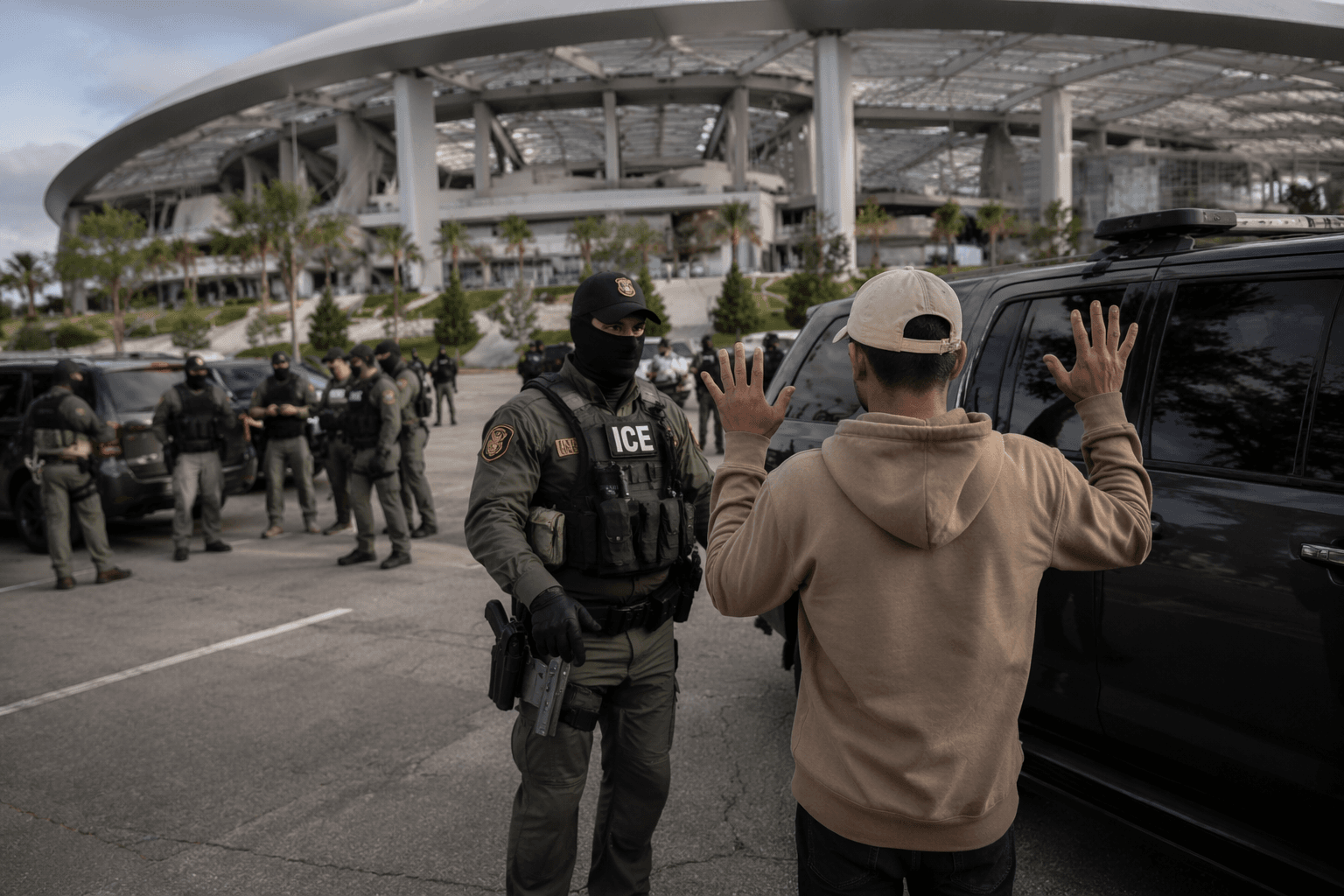
That warning turned more concrete on April 23, when Amnesty International USA and more than 120 civil society groups issued a travel advisory for fans, players, journalists and other visitors. The advisory said a visa or ESTA did not guarantee admission, and it noted that as of January 2026 the Trump administration had fully restricted or limited entry from 19 countries. It also warned that immigrants, racial and ethnic minorities and LGBTQ+ travelers could face heightened scrutiny.
The broader clash is political as much as logistical. Rights groups said the 2026 World Cup was supposed to be the first tournament with human-rights criteria embedded in the bidding process, after the United States, Mexico and Canada made explicit commitments in their bid documents. Human Rights Watch said those promises, along with FIFA’s own commitments and those of host cities, had not been adequately met.
The White House took the opposite view, saying the event would be one of the greatest and most spectacular in history and would require close coordination among the Trump administration, FIFA and local partners. For FIFA, the test now is not only whether it can stage a seamless tournament, but whether it can persuade the world that America can host a global event without fear becoming part of the spectacle.
This article was produced by Prism’s automated news system from verified source data, official records, and press releases, then run through automated quality and moderation checks before publishing. The system is built and supervised by the people who set the standards it runs under. Read our full AI policy.
Know something we missed? Have a correction or additional information?
Submit a Tip