Rising jet fuel prices drive up wildfire aircraft costs nationwide
Jet fuel prices have nearly doubled, pushing wildfire aircraft costs higher just as the Forest Service set aside $45 million for aviation fuel, $7 million less than last year.
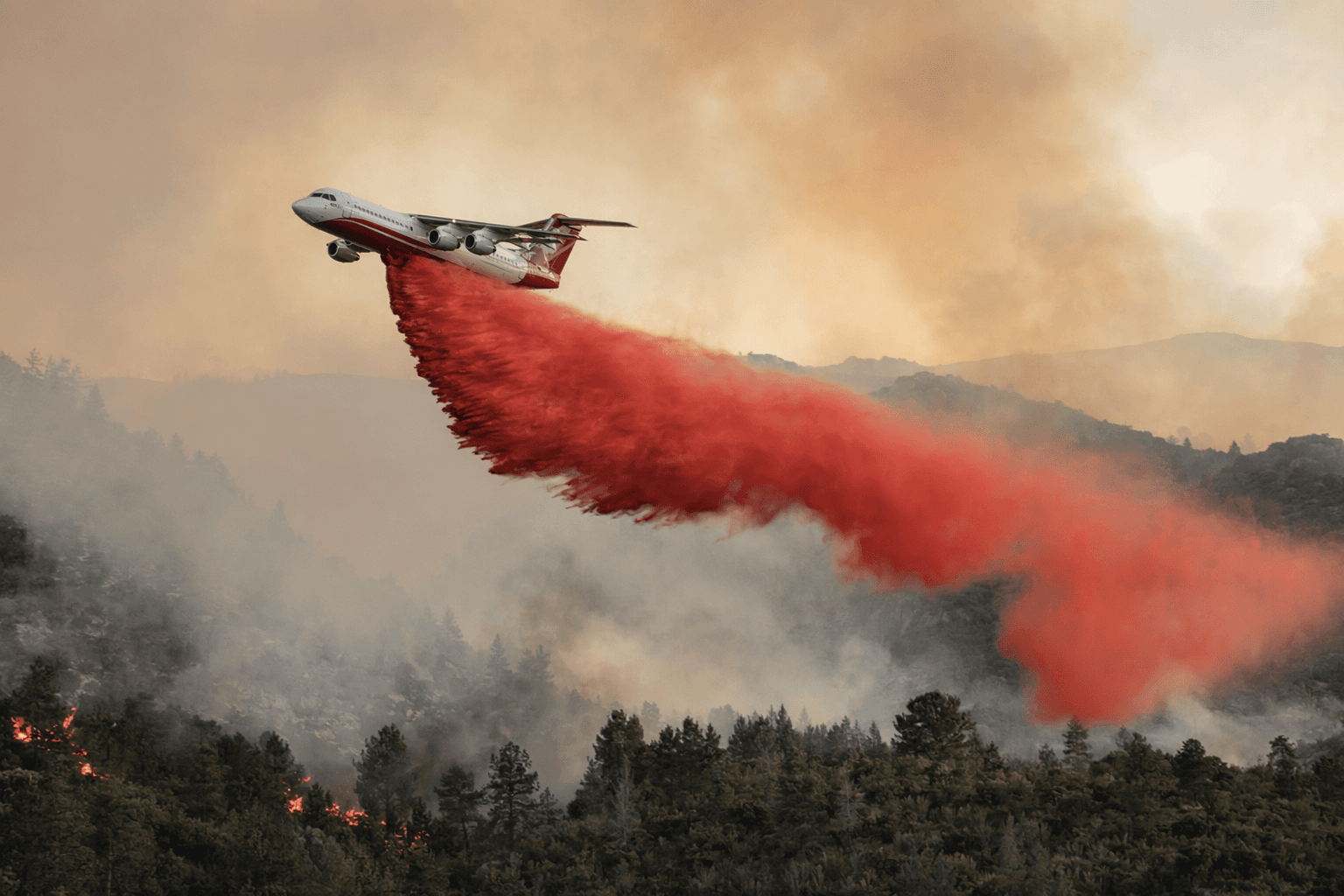
Rising jet fuel prices are adding a hidden surcharge to wildfire season, lifting the cost of the aircraft that drop water and retardant on fast-moving flames. The U.S. Forest Service has budgeted $45 million for fire aviation fuel this year, $7 million less than it spent last year, even as reports say U.S. jet fuel prices have nearly doubled since the outbreak of the Iran war.
That fuel bill lands inside a much larger suppression system that is already expensive. Over the last decade, wildfire suppression has cost the USDA Forest Service and the Department of the Interior an average of $2.9 billion a year, a spending level that shows how quickly a bad fire season can strain federal budgets. The Forest Service has said last year’s fuel bill was slightly above the six-year average, but soaring fuel costs now threaten to push aircraft operations higher as crews move into peak season.
Retired firefighting-aircraft pilot Willis Curdy captured the budget pressure in plain terms. “Yeah, I think that budget's going to change,” he said. Higher aviation fuel prices could add tens of millions of dollars to wildfire aircraft operations this summer, tightening the margin for agencies that already have to balance readiness, aircraft availability and the pace of fires themselves.
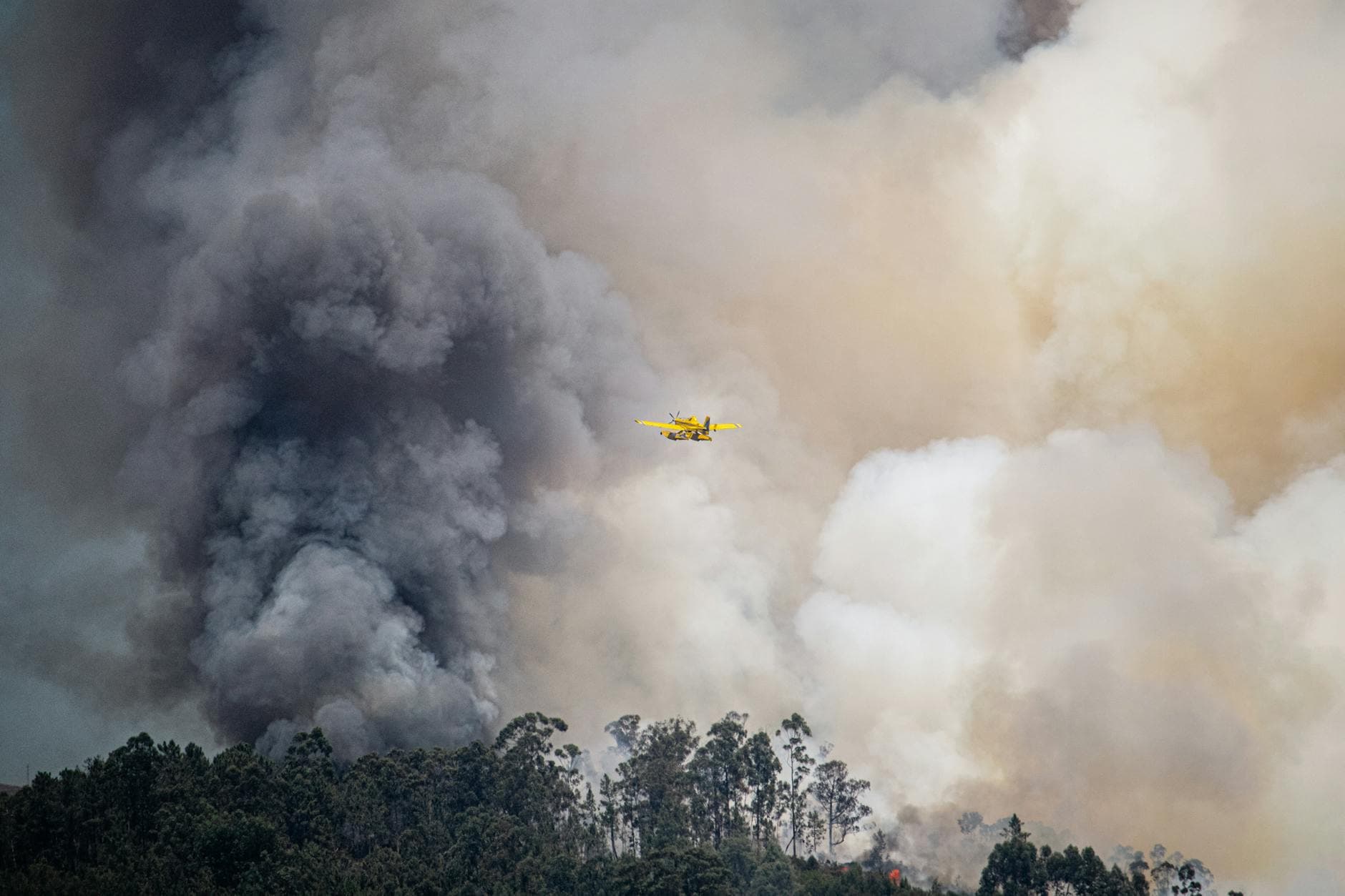
California’s state system is trying to project stability. CAL FIRE says it operates the largest aerial firefighting fleet in the world, and officials there say rising jet fuel costs will not affect its aerial firefighting operations as crews prepare for peak fire season. California officials have also said the state’s aircraft fleet is expected to remain fully operational despite the higher fuel costs, a sign that agencies are moving to absorb the increase rather than scale back response.
Federal officials are also pressing ahead with broader readiness measures. On April 28, 2026, U.S. Secretary of Agriculture Brooke L. Rollins issued a directive directing USDA Forest Service Chief Tom Schultz to heighten national wildfire readiness and strengthen firefighter health and safety for the 2026 fire year. The order underscores the same reality now facing fire managers from Washington, D.C., to Sacramento: when fuel prices climb, the cost of keeping aircraft in the air climbs with them, and the tradeoffs in a severe fire season get sharper.
This article was produced by Prism’s automated news system from verified source data, official records, and press releases, then run through automated quality and moderation checks before publishing. The system is built and supervised by the people who set the standards it runs under. Read our full AI policy.
Did this article answer your question?