Rising vet bills leave many pet owners skipping needed care
Vet bills are forcing families to ration care: 52% of U.S. pet owners skipped or declined treatment, and many still have options before they walk away entirely.
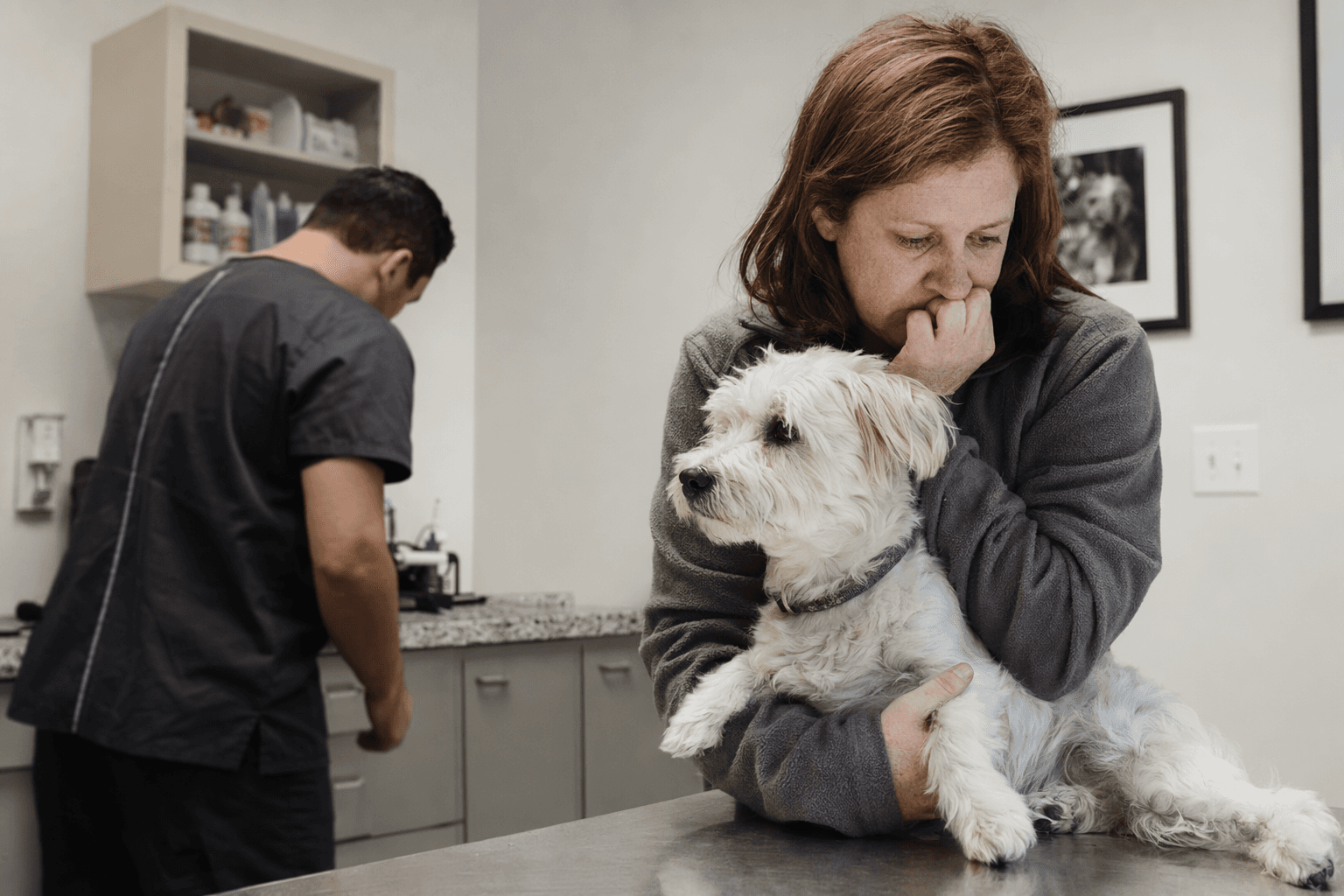
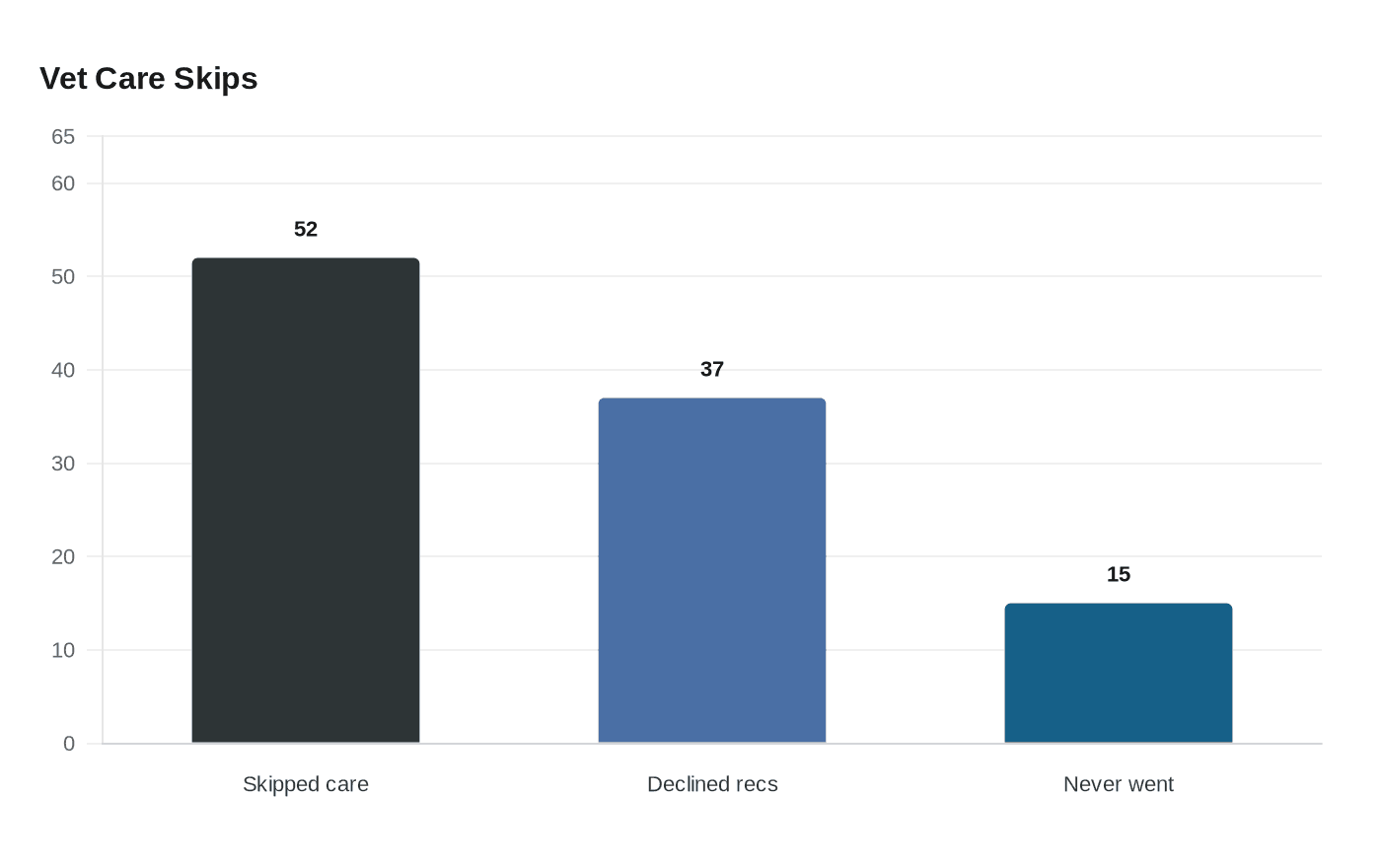
Rising vet bills are pushing pet owners into painful tradeoffs. In a PetSmart Charities-Gallup State of Pet Care Study, 52% of U.S. pet owners said they had skipped needed veterinary care or declined recommended treatment, including 37% who went to a veterinarian but turned down one or more recommendations and 15% who never brought the pet in because of barriers such as finances. At the same time, preliminary 2024 AVMA data showed average household spending on veterinary care fell 4% from the prior year even as pet populations kept growing, a sign that more families are trying to absorb higher costs with tighter budgets.
The access problem is older and wider than this year’s squeeze. The Access to Veterinary Care Coalition found that 28% of U.S. families did not receive veterinary care during the previous two years, mostly because they could not afford it, and another AVMA-cited finding said 8 out of 10 pet owners who could not get needed care pointed to cost as the barrier. Maisey Kent, who works in AVMA’s statistical and data analysis team, has been presenting the latest spending and ownership data as veterinary organizations try to measure how far household budgets are falling behind.
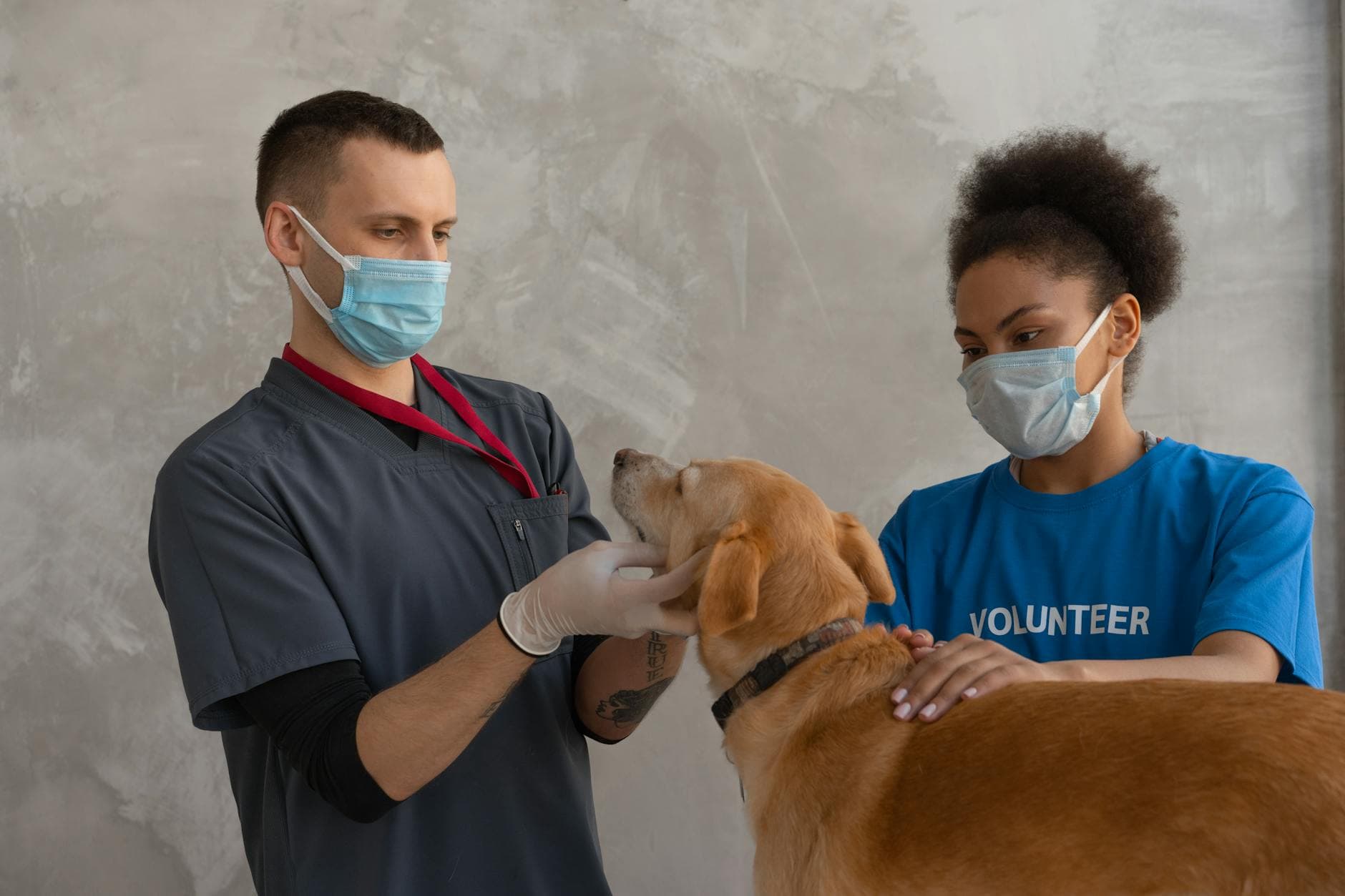
For owners trying to stretch a budget without abandoning care, veterinarians and animal-welfare groups point to a short list of stopgaps that can keep a problem from worsening: ask about payment plans, low-cost clinics, financial-aid programs, telemedicine when appropriate, and charitable assistance resources. AVMA says veterinary teams are committed to helping owners reduce and manage expenses, while The Humane Society of the United States says access barriers also include transportation, language, time, finances and trust. PetSmart Charities says it has committed $100 million to improve access to veterinary care, and no single group is expected to solve the problem alone.
The line between a manageable delay and a true emergency is the part pet owners cannot afford to blur. AVMA says first aid is not a substitute for veterinary care, and immediate help is warranted for severe bleeding, trouble breathing, suspected poisoning, seizures, eye injuries, inability to urinate, heat stress or heatstroke, severe vomiting or diarrhea, or unconsciousness. AVMA’s emergency guidance says any concern about an animal’s health warrants at minimum a call to a veterinarian, and the AVMA Veterinary Medical Foundation’s REACH program offers grants to AVMA member veterinarians to help break down barriers to immediate care for families facing financial limits.
This article was produced by Prism’s automated news system from verified source data, official records, and press releases, then run through automated quality and moderation checks before publishing. The system is built and supervised by the people who set the standards it runs under. Read our full AI policy.
Did this article answer your question?

