RMT strike to disrupt London Tube over four-day working week plan
RMT drivers began a 24-hour Tube strike over a four-day workweek plan, with another walkout set for Thursday and major line closures expected.
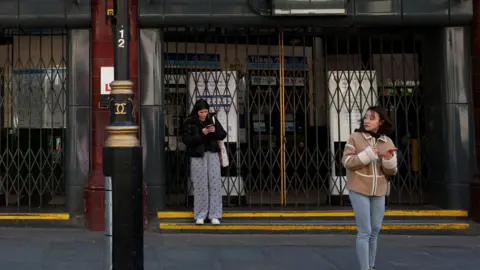
London’s Tube network was hit by a fresh labour dispute as members of the RMT union began a 24-hour strike at 00:01 BST on Tuesday over Transport for London’s proposal for a voluntary compressed four-day working week for Tube drivers. Another 24-hour walkout was due to follow on Thursday, extending pressure on a system already strained by months of confrontation over scheduling, staffing and safety.
The fight has centred on what a shorter working pattern would mean on the job. The RMT said its members were worried about longer shifts, fatigue, shift lengths, flexibility and safety, and it said the proposal had already been rejected by a majority of Train Operators in e-referendums. The union first announced strike action on 10 March 2026, and the dispute has since produced a series of threatened stoppages, some of them called off at the last minute after further talks.
Transport for London has insisted the four-day pattern would be voluntary and said it has repeatedly given assurances on that point. TfL said it was disappointed by the strike but hoped to run at least half of Tube services, and it advised passengers to check before they travelled. The agency also said many of the RMT’s concerns could be addressed through more detailed discussion and collaboration with other trade unions.
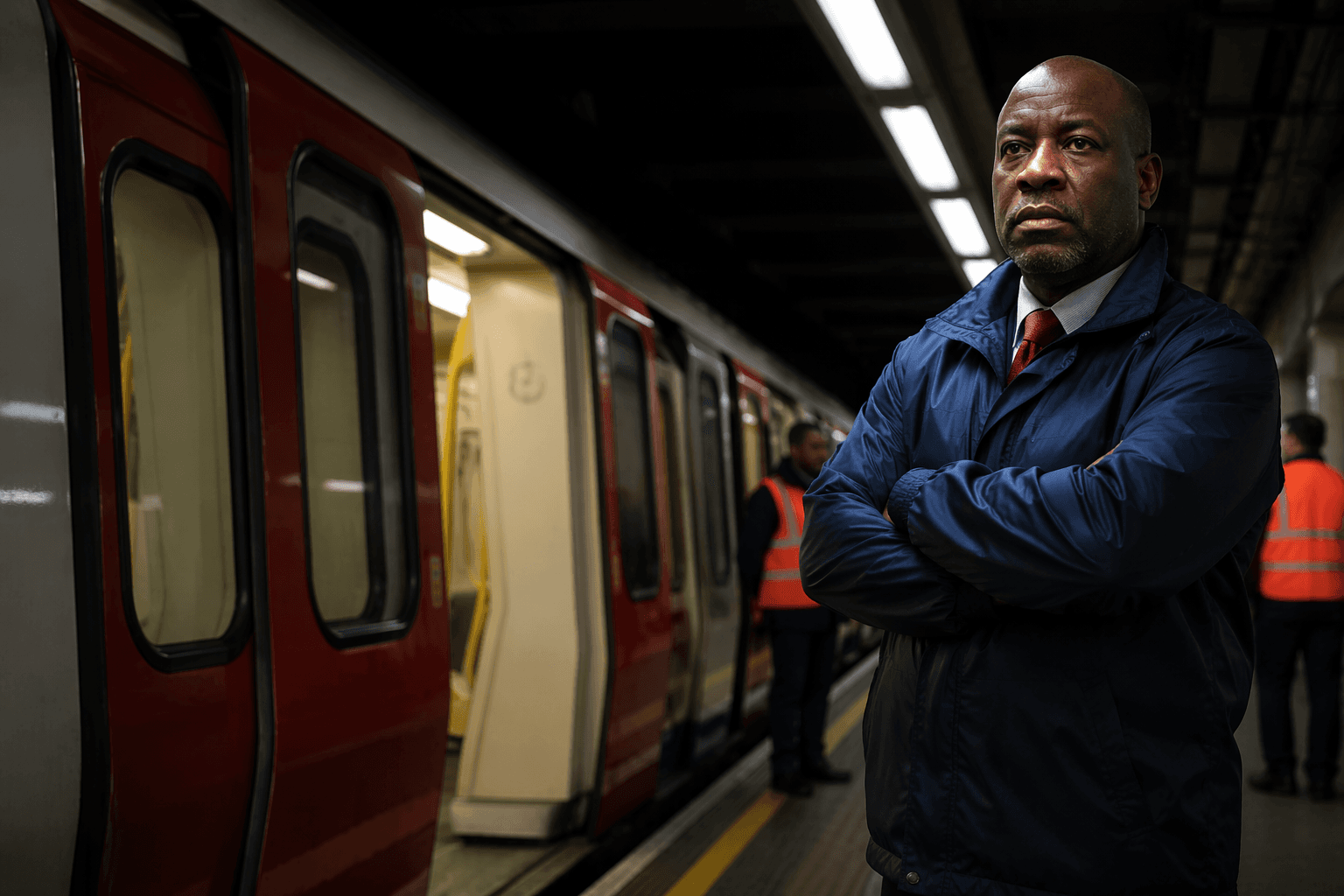
The disruption was expected to be severe. TfL said there would be very few services before 06:30 or after 21:00 on strike days, and passengers were urged to complete journeys by 21:00. The Circle line and Piccadilly line were set to shut down, while parts of the Metropolitan line between Baker Street and Aldgate and parts of the Central line between White City and Liverpool Street were expected to be suspended. Other services, including the Elizabeth line, London Overground, the DLR, trams and buses, were due to continue, though TfL warned they would be much busier than normal.
Normal service was expected on Monday 1 June, Wednesday 3 June and Friday 5 June. TfL said its last Tube strike in April saw around half of all services run, and on Friday 24 April the network reached 94% of normal demand, a sign that many commuters still tried to move through the city despite the disruption. The strike has become a test case for public-transit labour tensions that echo fights over work-life balance, fatigue and reliable service in major cities well beyond London.
This article was produced by Prism’s automated news system from verified source data, official records, and press releases, then run through automated quality and moderation checks before publishing. The system is built and supervised by the people who set the standards it runs under. Read our full AI policy.
Did this article answer your question?


