Robinhood quietly files second venture fund, expands into early-stage startups
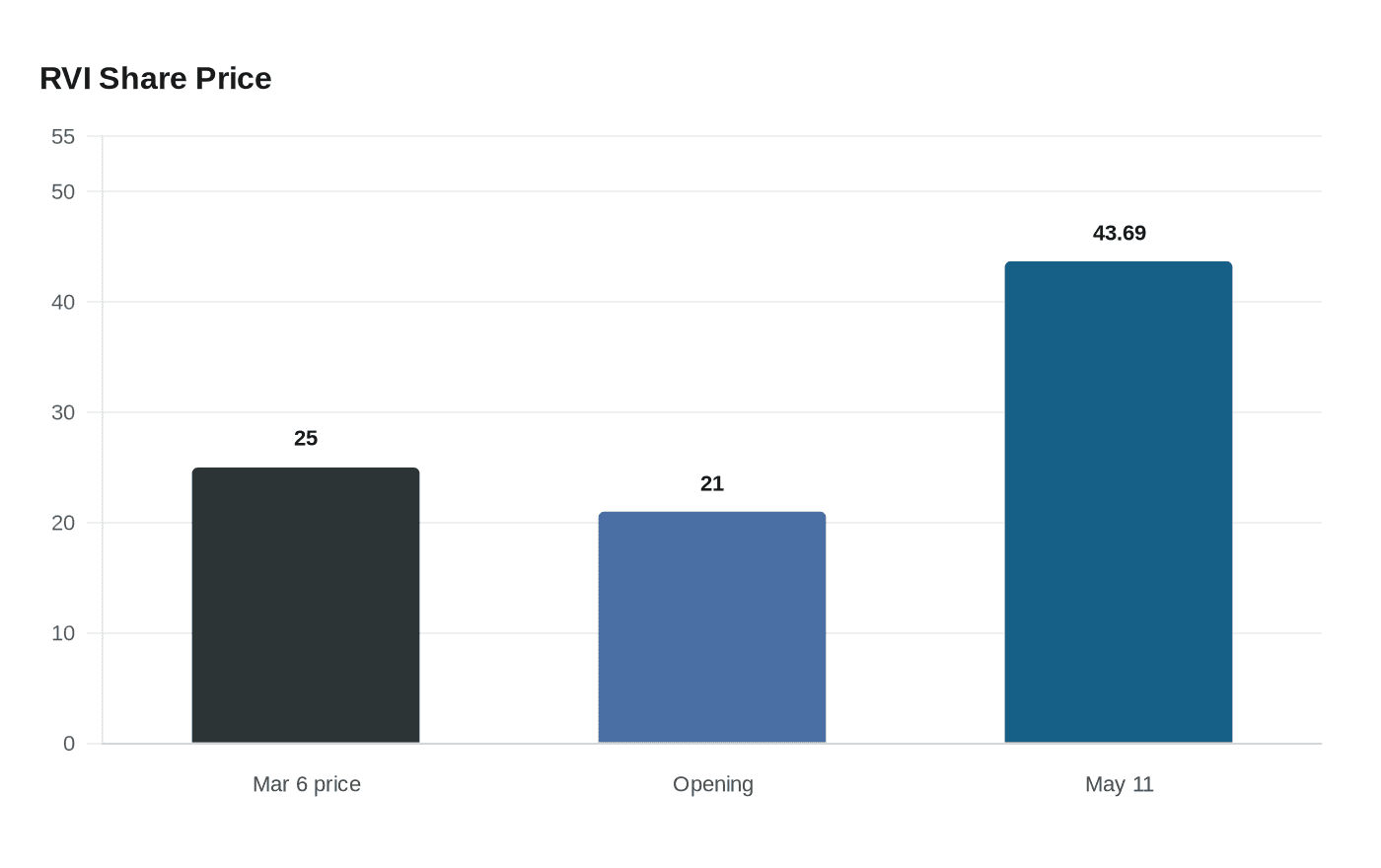
Robinhood filed a second retail venture fund that stretches from late-stage names like OpenAI and Stripe into riskier early-stage startups. Its first fund jumped from $21 to $43.69, testing how far democratized access can go.

Robinhood Markets has filed confidentially for a second publicly traded venture fund, a move that extends its retail push deeper into private markets just as the AI boom keeps much of its value outside public exchanges. Robinhood Venture Fund II, or RVII, will target both growth-stage and early-stage startups, widening the mandate beyond the first fund’s late-stage portfolio and raising the stakes for everyday investors buying into companies that may still be years from an exit.
The new vehicle comes only about two months after Robinhood brought Robinhood Ventures Fund I to market. That first fund was publicly announced in September 2025, its registration was declared effective by the U.S. Securities and Exchange Commission on March 5, 2026, and it priced 12,615,608 shares at $25 apiece on March 6, raising $658.4 million before sales load and expenses. It began trading on the New York Stock Exchange under the ticker RVI, and Robinhood said more than 150,000 retail investors participated in the IPO.

RVI opened at $21 and climbed to $43.69 by May 11, a sharp gain that has helped validate Robinhood’s pitch even though the fund fell several hundred million dollars short of its original $1 billion target. The inaugural portfolio was concentrated in private companies including Airwallex, Boom, Databricks, ElevenLabs, Mercor, OpenAI, Oura, Ramp, Revolut and Stripe, with Robinhood saying additional holdings could be added over time. That lineup skewed heavily toward late-stage names with known backers and already lofty valuations.
RVII changes that formula by adding early-stage startups, which are typically younger, less proven and more volatile. For retail investors, that means a chance to buy into private growth before an IPO, but also a greater risk of overpaying for assets that can take years to mature or never reach public markets at all. Robinhood has framed the product as a publicly traded venture capital firm with daily liquidity, no accreditation requirements and no carry, an attempt to make private markets look and feel more like a brokerage trade.
The broader economic backdrop helps explain the appeal. Robinhood says the number of publicly traded U.S. companies has fallen from about 7,000 in 2000 to about 4,000 in 2024, while the estimated value of U.S. private companies has risen above $10 trillion. Under U.S. rules, only accredited investors can directly invest in private companies unless they use a vehicle like this one. Robinhood says investors can access RVI through a regular brokerage account, and RVII will not be sold until the SEC declares its registration effective.
This article was produced by Prism’s automated news system from verified source data, official records, and press releases, then run through automated quality and moderation checks before publishing. The system is built and supervised by the people who set the standards it runs under. Read our full AI policy.
Did this article answer your question?
%3Amax_bytes(150000)%3Astrip_icc()%2FCertificate-of-deposit-2301f2164ceb4e91b100cb92aa6f868a.jpg&w=1920&q=75)