Rocket Lab Neutron tank ruptures in test, delaying vehicle debut
A Neutron stage 1 tank ruptured during a hydrostatic pressure qualification test at Rocket Lab's Wallops site, forcing a delay to the rocket's debut.
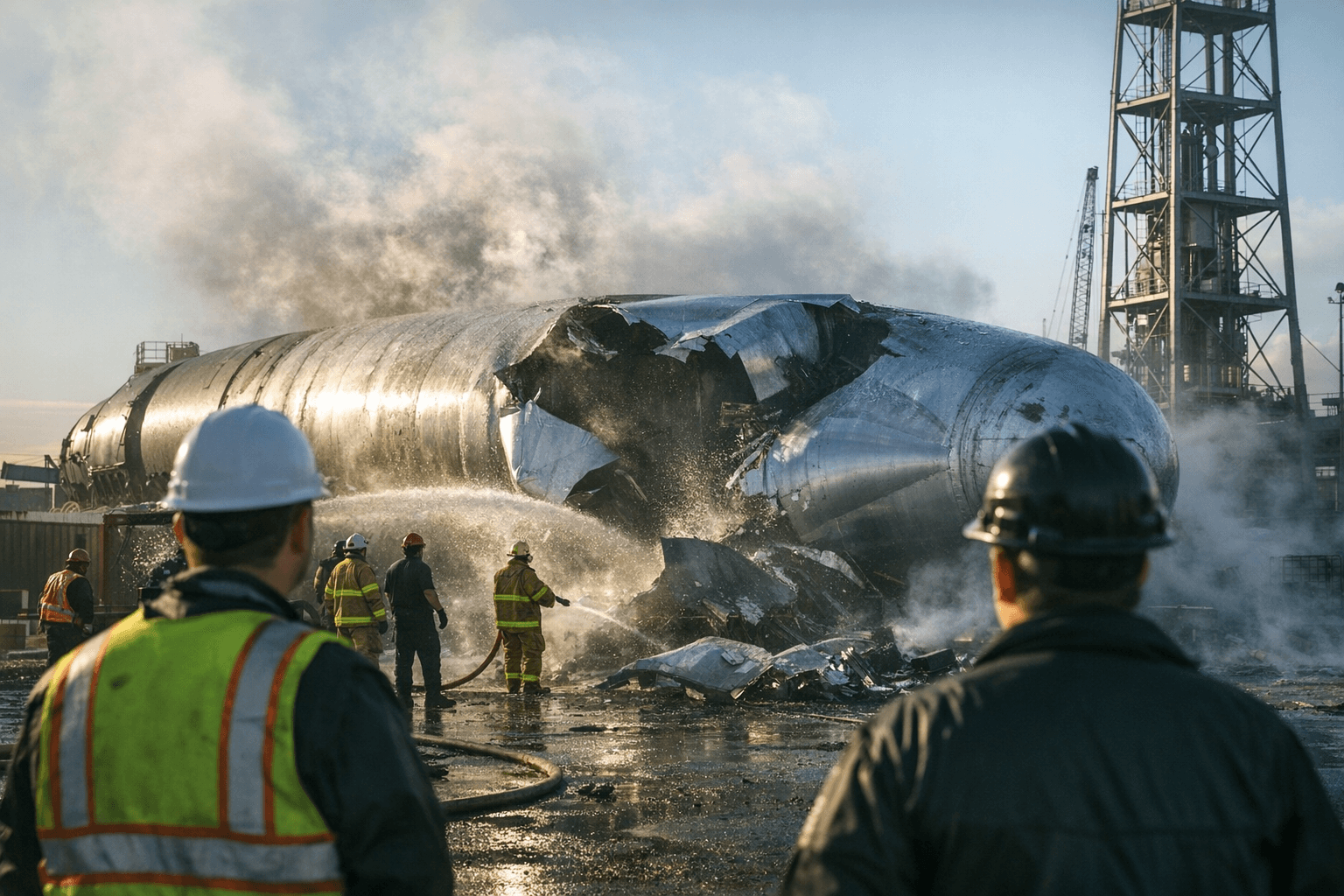
Rocket Lab disclosed that the Stage 1 tank of its large Neutron launch vehicle ruptured during a hydrostatic pressure qualification test at its Wallops, Virginia development site, an event that will push back the rocket's planned debut. The company said the test, designed to pressurize the structure to its certified limits, resulted in a breach in the tank.
Hydrostatic qualification tests are a standard part of rocket development, intended to validate that structures can withstand the pressures anticipated during flight and ground operations. In this case, the test intentionally pushed the tank beyond its nominal loading to confirm safety margins and certification requirements. The rupture indicates that at least one part of the tank failed under those extreme conditions, triggering an immediate halt to the current test campaign and a reassessment of schedules.
The Neutron is central to Rocket Lab's ambitions to compete for larger commercial and government payloads and to offer a partially reusable vehicle architecture. A successful first flight has been positioned as a milestone for the company’s push into higher-capacity launch services. The tank breach complicates that timetable, forcing engineers to investigate the failure, adapt manufacturing or design elements as needed, and run additional qualification tests before regulators and customers will accept a flight attempt.
Anomaly investigations of this sort typically examine material properties, welding and bonding processes, quality-control records, and design margins. The breach could point to a localized manufacturing defect, a weakness in the tank's joints or welds, an unanticipated stress concentration, or a need to revise design tolerances. Determining the root cause will require non-destructive and destructive analysis, replication tests, and a careful review of supply chain and production documentation.
The delay will ripple across operational and commercial plans. Customers awaiting payload capacity, insurers underwriting missions, and launch providers coordinating range time may face rescheduling. For a company that has marketed Neutron as a new entrant into medium-to-heavy lift services, any postponement raises questions about near-term revenue projections and competition in a market that prizes rapid cadence and reliability.
Regulatory scrutiny is likely to follow. Agencies that oversee commercial space activity require anomaly reporting and may withhold launch approvals until investigations conclude and corrective actions are demonstrated. Extended qualification cycles are costly, both in direct engineering hours and in the reputational capital required to reassure customers and investors.
Despite the setback, destructive or limit-pushing tests are part of the iterative development that has long characterized aerospace engineering. Catching a structural failure on the ground, before an operational flight, reduces the risk of in-flight loss and provides concrete data to improve designs. The pace of subsequent testing and the clarity of the root-cause analysis will determine how long Neutron’s debut remains deferred and what changes Rocket Lab must make to bring the vehicle to certified readiness.
This article was produced by Prism’s automated news system from verified source data, official records, and press releases, then run through automated quality and moderation checks before publishing. The system is built and supervised by the people who set the standards it runs under. Read our full AI policy.
Did this article answer your question?


