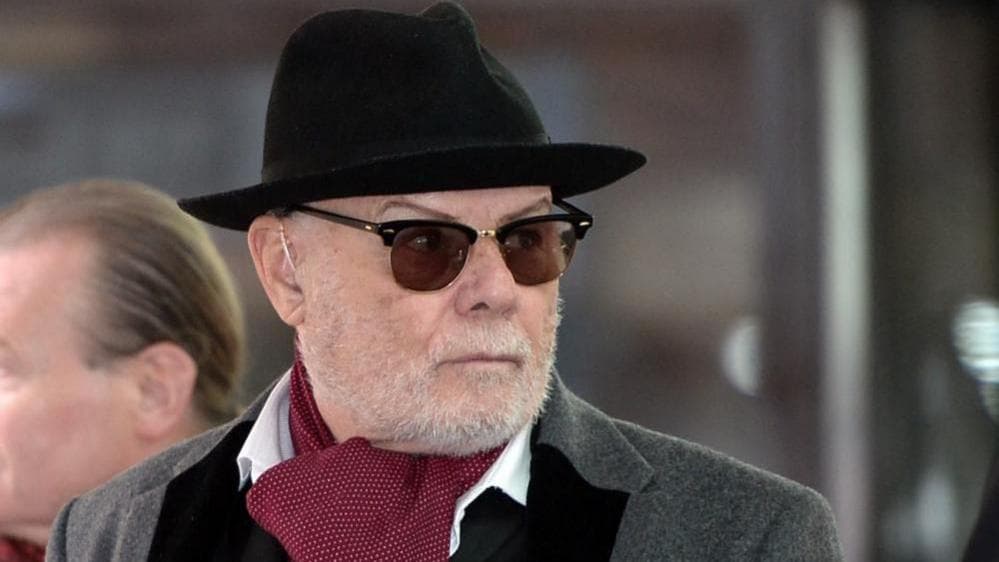
Roger Sweet, creator of He-Man, dies at 91 ahead of film reboot
Roger Sweet, who helped turn He-Man into a $2 billion symbol of 1980s masculinity, died at 91 as a new Masters of the Universe film nears release.
Roger Sweet, the Mattel toy designer credited with creating He-Man, died Tuesday at 91, closing a life that helped turn a plastic warrior into one of the defining commercial images of 1980s boyhood. His wife, Marlene Sweet, said he died peacefully after battling dementia. He lived in Lake Stevens, Washington.
Sweet spent more than 15 years at Mattel and worked in the company’s Preliminary Design Department, where he designed and named the original He-Man character around 1980. Mattel says the first He-Man and the Masters of the Universe action figures were released in 1982, and the franchise quickly grew into a $2 billion cultural phenomenon through toys and licensed products. The square-jawed, musclebound hero was not just a hit with children. He also helped package a narrow, highly marketable version of masculinity for the decade, one built on bulk, force and conquest.
That formula proved durable. Some reporting says Sweet helped oversee the toy line until 1987, as Masters of the Universe spread beyond action figures into a wider entertainment empire. What began as a toy line became a template for the modern franchise economy, where characters are built to move across shelves, screens and spinoffs with maximum commercial reach. Sweet’s work showed how a children’s product could become a cultural engine, shaping both play patterns and the business logic behind them.
His death lands just before a new live-action Masters of the Universe film is set for theatrical release on June 5, 2026, from Amazon MGM Studios and Mattel Films, with international distribution by Sony Pictures International Releasing. Director Travis Knight is bringing the franchise back to the big screen, and Marlene Sweet reportedly wanted the producers to dedicate the film to Roger, a sign of how closely the family’s grief is tied to the property he helped create.
For decades, He-Man has stood for more than nostalgia. It reflected how the toy industry sold strength, dominance and masculine identity to a generation of children, while also building one of Mattel’s most valuable cultural properties. Sweet’s legacy lives on in that tension, between play and profit, and between the stories children inherit and the markets built around them.
This article was produced by Prism’s automated news system from verified source data, official records, and press releases, then run through automated quality and moderation checks before publishing. The system is built and supervised by the people who set the standards it runs under. Read our full AI policy.
Did this article answer your question?