Romance and investment scams hit record losses, FTC warns consumers
Fraud losses reached $12.5 billion in 2024, with investment scams alone at $5.7 billion as romance, shipping and crypto pitches drove record harm.

Romance and investment scams are thriving on the same weak spots: urgency, trust and isolation. Consumers reported losing about $12.5 billion to fraud in 2024, the Federal Trade Commission said, and investment scams accounted for $5.7 billion, more than any other category. The agency’s Consumer Sentinel Network received 6.5 million consumer reports, and the share of people who said a fraud cost them money climbed from 27% in 2023 to 38% in 2024.
The numbers point to a broader internet crime problem. The FBI’s Internet Crime Complaint Center received 859,532 complaints of suspected internet crime in 2024, with reported losses topping $16 billion, up 33% from 2023. Within that loss picture, confidence and romance scams remain especially damaging because they are designed to feel personal. The FBI says scammers use fake identities to gain trust quickly, sometimes proposing marriage, then asking for money once a relationship feels real.
Older adults have been hit hard. In 2024, victims over 60 filed 7,626 confidence and romance scam complaints, with about $389 million in losses. AARP added a warning sign of how these schemes now overlap: in a February 2026 survey of more than 1,000 adults age 50 and older, 1 in 10 said they had interacted with a potential romantic partner online who later asked for money or encouraged cryptocurrency investment.
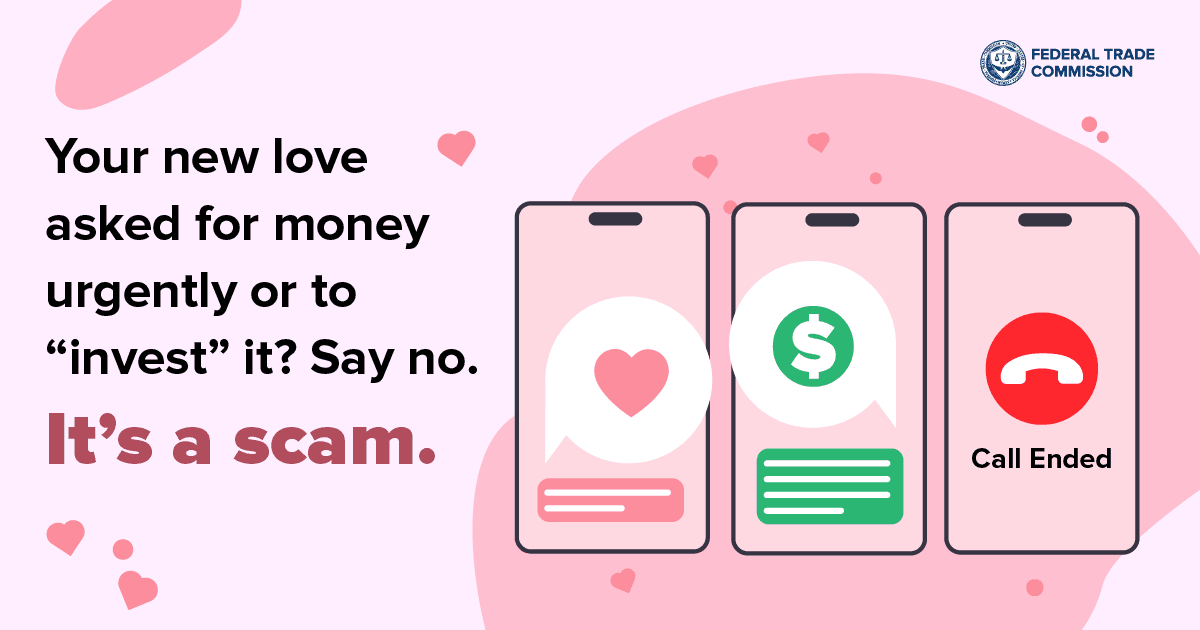
The FTC says romance scammers often use fake profiles on dating sites or social media, chat repeatedly to build trust, then invent emergencies such as plane tickets, urgent surgery or other crises to pressure a payment. The safest response is to slow the interaction, stop contact if the relationship feels off, and check a photo or profile through other search tools before believing what the person says. Any request for money, gift cards, wire transfers, cryptocurrency or payment apps should be treated as a red flag, not a romantic gesture.

Delivery scams use the same playbook. The FTC says bogus texts and emails about missed deliveries, unpaid postage or package redelivery arrive all year, not just during the holidays. The United States Postal Service says it does not charge a fee for redelivery. To avoid handing over account details or clicking a malicious link, verify tracking directly through the retailer or your own account instead of the message itself. The USPS and the United States Postal Inspection Service also warned of an uptick in phishing, smishing and brushing scams during the 2024 holiday season, when scammers impersonated USPS to push people into sharing debit card or personal information.
This article was produced by Prism’s automated news system from verified source data, official records, and press releases, then run through automated quality and moderation checks before publishing. The system is built and supervised by the people who set the standards it runs under. Read our full AI policy.
Know something we missed? Have a correction or additional information?
Submit a Tip