Trump threatens new strikes as U.S., Iranian negotiators meet in Switzerland
Trump’s threat of new strikes collided with U.S.-Iran talks in Switzerland as at least 70 major fires burned across the West.

Trump’s threat to restart war with Iran landed as JD Vance sat down with Iranian officials at the Buergenstock resort near Lucerne, where negotiators were working through the night on the first talks under an interim peace deal. The immediate focus was deconfliction and enforcement of the ceasefire in southern Lebanon, but the exchange also raised the stakes far beyond the negotiating table.
Iranian officials pushed back sharply. Mohammad Bagher Ghalibaf, the speaker of Iran’s parliament, warned U.S. officials to be careful with their statements and said Iran’s armed forces were ready to respond. At the same time, Tehran announced it had again closed the Strait of Hormuz, a critical global oil shipping route that sits at the center of any wider confrontation in the region.
That combination matters well beyond Switzerland. A fresh military clash with Iran could rattle oil markets, strain U.S. diplomacy, and threaten a fragile regional calm already built around the ceasefire in southern Lebanon. The tension also underscored how quickly a war of words can narrow the space for de-escalation, especially when both sides are signaling that the next move could carry military consequences.
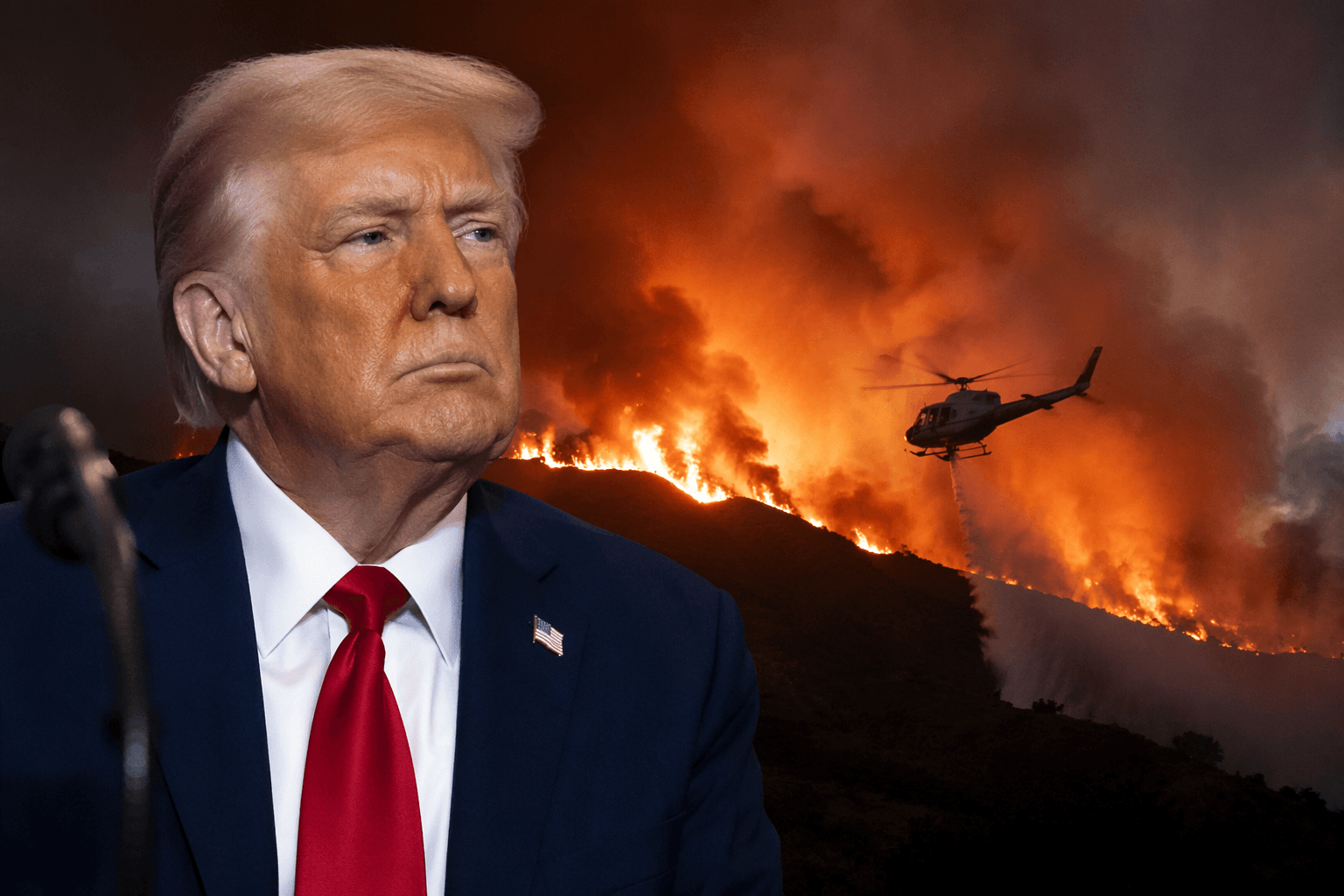
At home, the United States was confronting a second front: wildfire. At least 70 major fires were burning in the western United States, and the National Interagency Fire Center was tracking active wildfire maps and incident resources nationwide. Reporting on the 2026 season has described it as an early and highly active start to wildland fire activity, a sign that the fire burden is arriving before many states are fully prepared for peak season.
California is already seeing the pressure. CAL FIRE’s 2026 incident archive says northern California saw a sharp rise in daily fires in May, including grassland incidents. The agency also said high grass fuel loads, drying conditions and early-season timber fires above 7,000 feet have increased the risk of large fires across fuel types. Those conditions make evacuations harder, smoke impacts broader and mutual aid resources thinner just as more communities are forced to compete for crews, equipment and response time.
Together, the standoff in Switzerland and the fast-moving fire season exposed the same basic problem for the administration: crisis management is now running on two tracks at once. One is centered on the Middle East and the security of global energy routes. The other is unfolding across the western United States, where an unusually active fire season is testing emergency systems before summer is even fully underway.
This article was produced by Prism’s automated news system from verified source data, official records, and press releases, then run through automated quality and moderation checks before publishing. The system is built and supervised by the people who set the standards it runs under. Read our full AI policy.
Know something we missed? Have a correction or additional information?
Submit a Tip