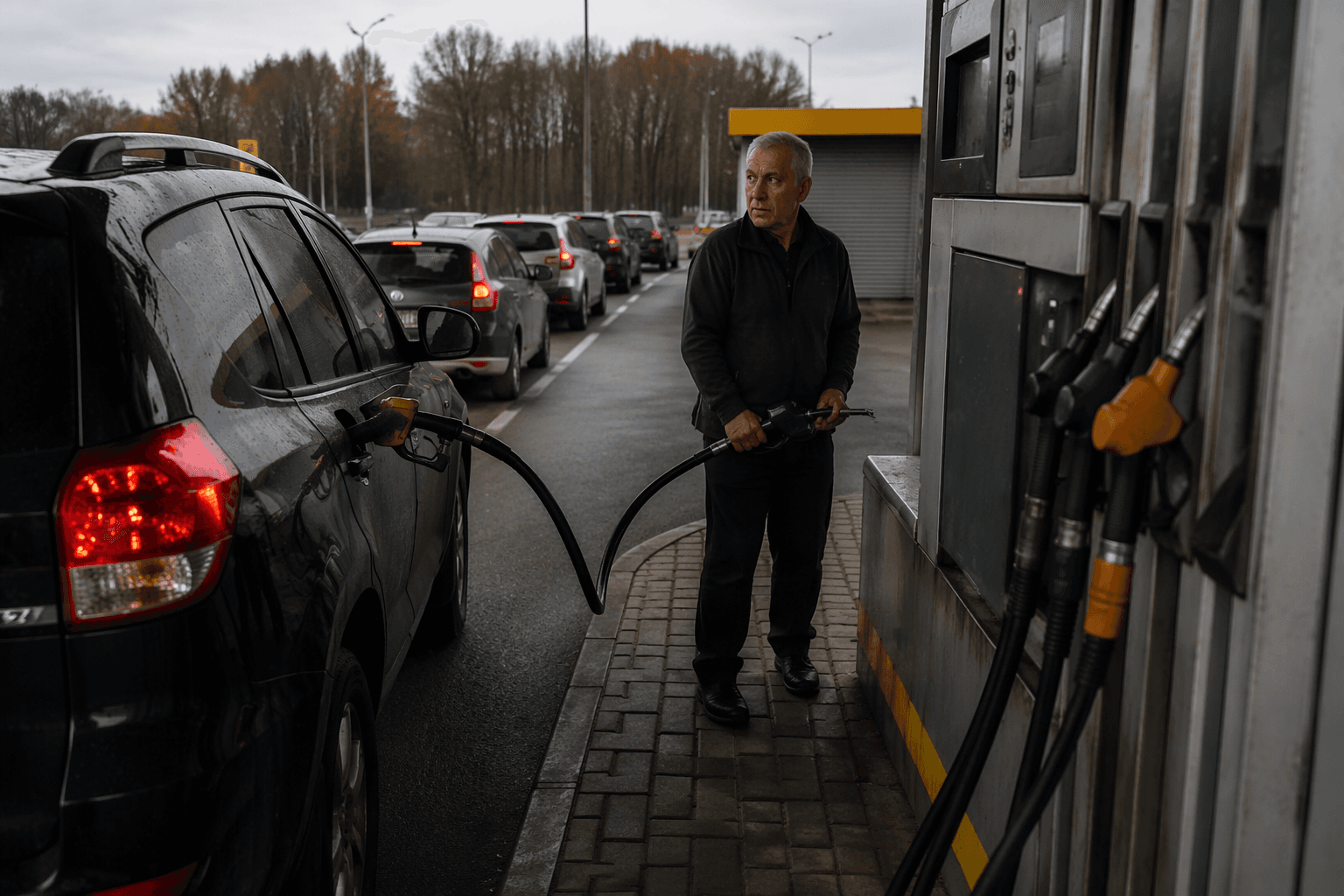
Romania coalition strains as Social Democrats weigh backing away from prime minister
PSD threatened to pull support from Ilie Bolojan as Romania’s coalition fought over austerity, a move that could test the country’s pro-EU course.
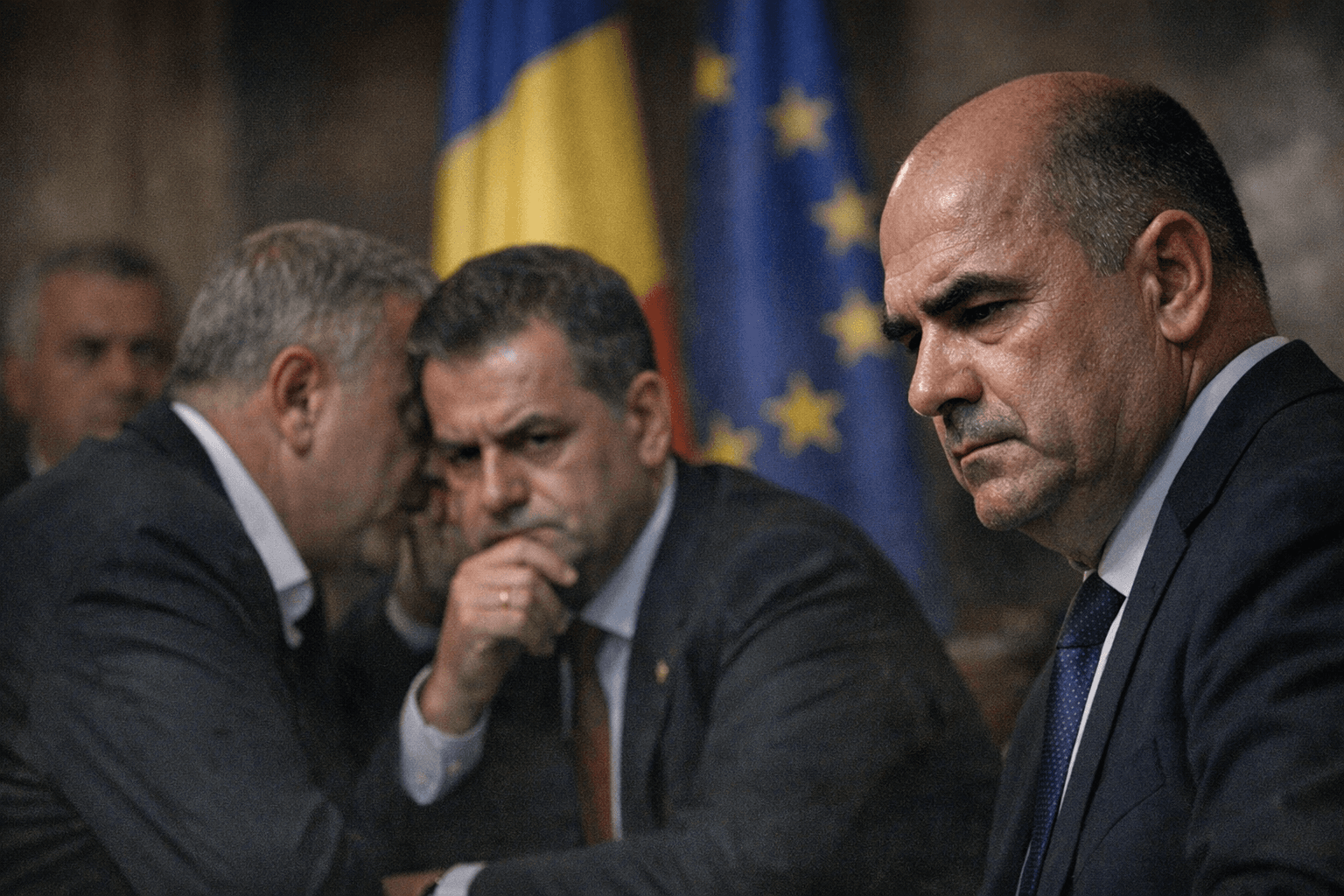
Romania’s pro-European governing alliance was coming under its sharpest strain yet as the Social Democrats prepared to decide whether to withdraw support from Prime Minister Ilie Bolojan, a move that could expose the fault lines inside the country’s broad but fragile coalition.
President Nicusor Dan said the four-party alliance had no workable alternative to staying in office, even as internal rivalry deepened around spending cuts and fiscal consolidation. Dan said he would try to mediate the dispute and argued that Romania needed the parties to find an understanding rather than let the government collapse. The warning carried weight because the coalition, which includes the Social Democratic Party, the National Liberal Party, Save Romania Union and the Democratic Alliance of Hungarians in Romania, plus support from national-minority lawmakers, controls roughly two-thirds of parliament.
The coalition was assembled on June 23, 2025, after a deeply polarizing presidential election cycle that was thrown into turmoil when Romania’s Constitutional Court annulled the first round on December 6, 2024, following intelligence reports alleging Russian interference in favor of Călin Georgescu. The vote was later rerun in 2025 and Nicusor Dan won. Since then, the government has been expected to steady public finances and drive through painful reforms, but those same measures have created the political cost now threatening the alliance.
At the center of the dispute is the power-sharing deal itself. Under the coalition agreement, Bolojan was set to serve as prime minister until 2027, when PSD was expected to take over the post in a planned rotation. That arrangement, once meant to lower tensions, now risked becoming a new flashpoint if Social Democrats decided they wanted a different Liberal leader before the handoff.
The stakes extended well beyond Bucharest. Romania’s fiscal position remained under intense pressure, with Fitch affirming its BBB- rating with a negative outlook on February 13, 2026, and S&P repeating that assessment on April 3, 2026. Both warnings underscored how political instability could complicate efforts to cut the European Union’s largest budget deficit, protect EU funds and preserve market confidence. For a coalition that was meant to anchor Romania’s European direction, the first break could come in the budget, the reform agenda or support for Ukraine and broader EU alignment.
This article was produced by Prism’s automated news system from verified source data, official records, and press releases, then run through automated quality and moderation checks before publishing. The system is built and supervised by the people who set the standards it runs under. Read our full AI policy.
Did this article answer your question?