Romanian Football Legend Mircea Lucescu Dies at 80 After Heart Attack
Mircea Lucescu, who captained Romania at the 1970 World Cup and transformed Shakhtar Donetsk into a Champions League force, died Tuesday at 80.
Mircea Lucescu, the Romanian footballer who captained his country at the 1970 World Cup and spent the following five decades reshaping club football across Eastern Europe, died Tuesday at the Bucharest University Emergency Hospital. He was 80.
Hospital officials confirmed the death on April 8 after Lucescu had been admitted earlier in the week following a heart attack. He had stepped down from his duties as Romania's national team coach in the days before he died, his final weeks in football shadowed by the country's playoff defeat that ended its World Cup qualification campaign.
Born in Bucharest on July 29, 1945, Lucescu came of age as a midfielder during the height of communist-era Romanian football before pivoting to a coaching career of remarkable length and reach. Few figures in European football held influence across so many countries, clubs and generations.
His most significant chapter as a coach was a 12-year tenure at Ukrainian club Shakhtar Donetsk, where, backed by billionaire owner Rinat Akhmetov, he built a program that competed consistently at Europe's highest level. The defining achievement of that era came in 2009, when Shakhtar won the UEFA Cup, the club's first major European trophy. Lucescu became known during those years for recruiting and developing Brazilian talent, weaving international players into a squad capable of challenging the continent's elite.
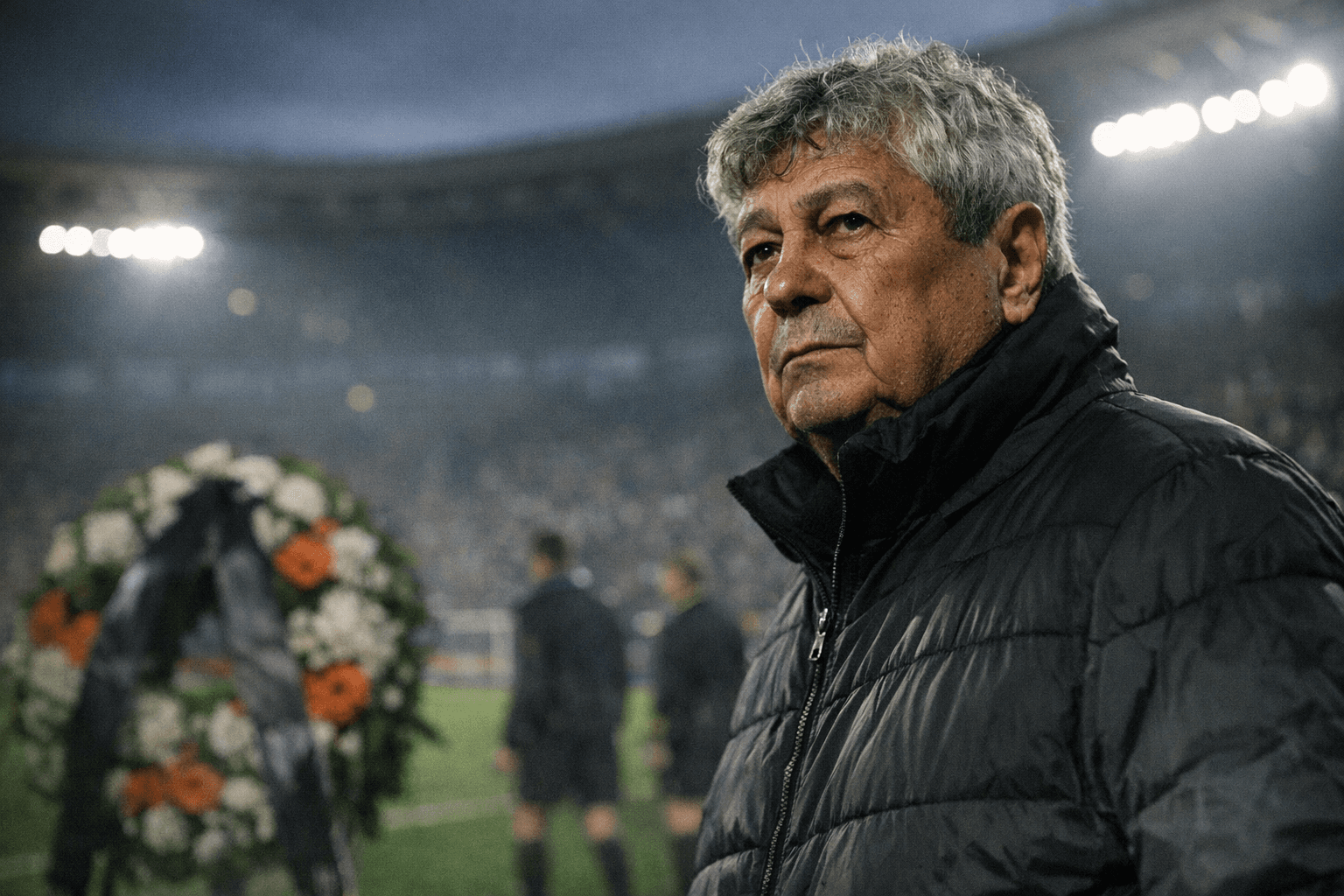
After Shakhtar, he took his methods to Russia with Zenit St Petersburg before managing Dynamo Kyiv and spending time in Italy, where he had previously coached Inter Milan, Brescia and Pisa. Some moves, particularly to Russian clubs, drew criticism from certain fans, but his tactical record and longevity made him a central figure in football circles across Romania, Ukraine and Turkey.
He returned to lead the Romanian national team for a second time in 2024, his presence signaling a connection to the country's football heritage at a moment when Romania was chasing World Cup qualification. That campaign ended in a playoff defeat in the weeks before his death, a painful final act to a career defined by sustained ambition.
Football federations across Romania, Ukraine and Turkey announced tributes following the news, with clubs planning memorials and moments of silence. Former players across multiple countries released statements, reflecting the scope of an influence that shaped how coaches and academies across Eastern Europe still think about the game.
This article was produced by Prism’s automated news system from verified source data, official records, and press releases, then run through automated quality and moderation checks before publishing. The system is built and supervised by the people who set the standards it runs under. Read our full AI policy.
Did this article answer your question?