Rosatom unveils heat-resistant austenitic steel for BR-1200 primary circuit
Rosatom announced on 26 February 2026 that its materials researchers developed a new austenitic steel for the BR-1200 primary circuit, rated for operation at 500–600°C.
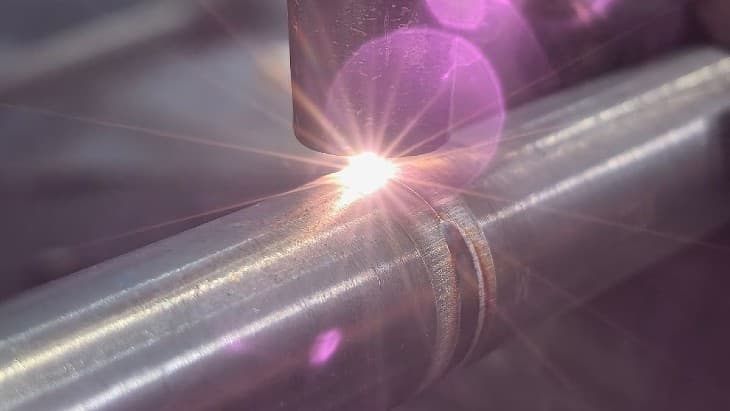
Rosatom announced on 26 February 2026 that its materials researchers have developed a new heat-resistant austenitic steel for the primary circuit of the planned lead-cooled BR-1200 reactor, which will operate at roughly 500–600 degrees Celsius. "Rosatom says a new austenitic steel has been developed for the primary circuit of the planned lead-cooled BR-1200 reactor where the operating temperature will be 500-600 degrees Celsius," the company said in its announcement.
Rosatom’s communications state that the alloy targets the thermal and corrosive environment of liquid-lead coolant at the BR-1200 operating envelope. The company’s release asserts the material delivers corrosion resistance and thermal stability up to 600°C, a performance band Rosatom describes as necessary for long-term primary circuit components in a lead-cooled fast neutron reactor.
The development is presented by Rosatom as part of a broader materials push for advanced reactor platforms. Rosatom’s press materials link the steel work to the Breakthrough or Proryv project, a program focused on implementing a closed nuclear fuel cycle using fast neutron reactors, and describe parallel development of welding technologies intended to support qualification and component fabrication for next-generation systems.
For immediate context, the BR-1200 target temperatures exceed those of Russia’s legacy VVER reactors, which operate in the 320–350°C range. Rosatom frames the new alloy as extending the usable temperature envelope for primary circuit steels beyond VVER-class limits and toward the 500–600°C regime specified for BR-1200 components.
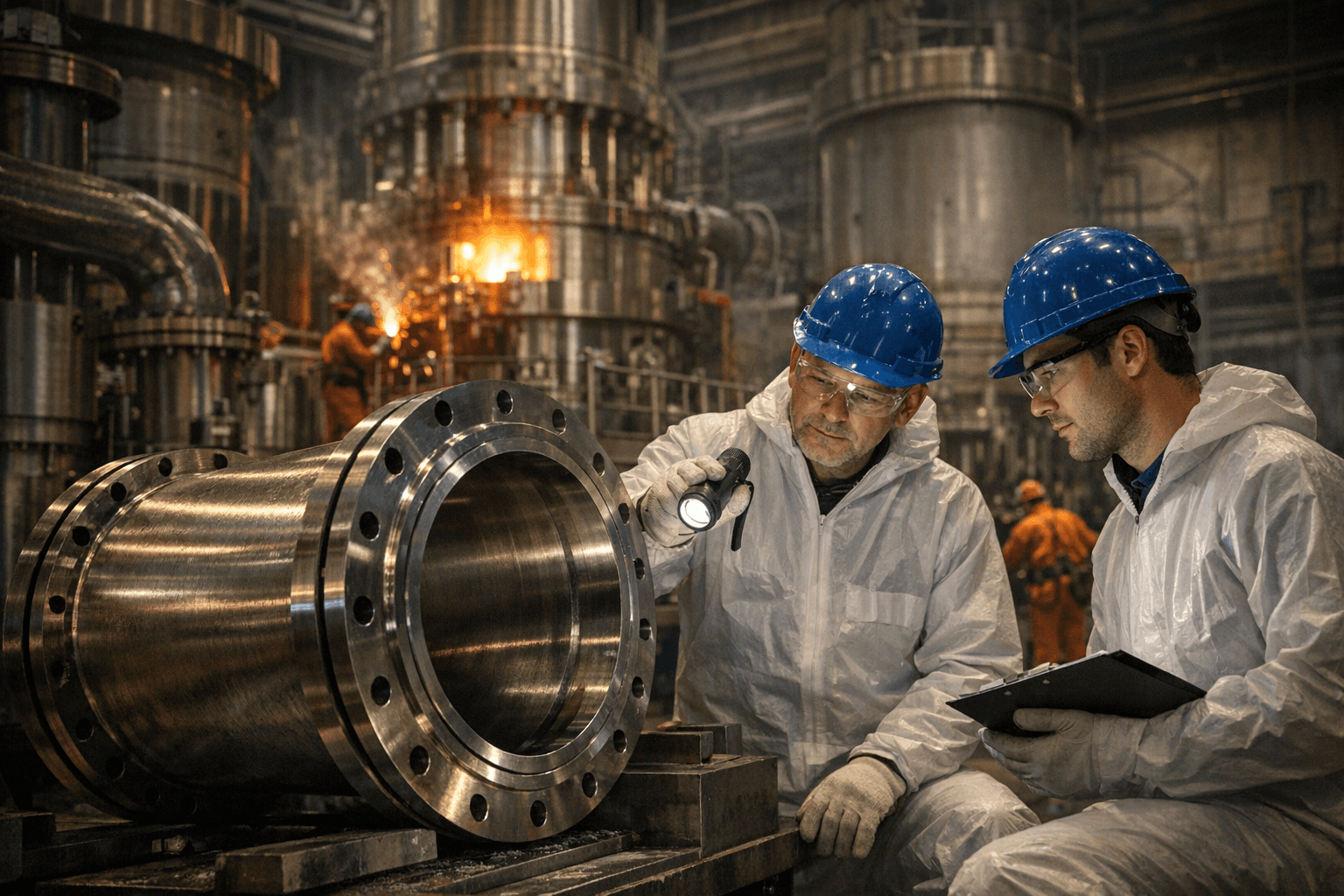
Rosatom additionally reported work on high-temperature structural materials in separate engineering streams. Its machine-building division manufactured carbon-carbon composite structural components for high-temperature gas-cooled reactor designs and reported tests showing physical stability to 1300°C and mechanical property retention to temperatures reaching 1600°C. Rosatom’s press release summarized the combined effort this way: "The combination of these developments—new high-tech materials and welding technologies—can create a solid scientific and technical foundation for the successful implementation of a fourth-generation nuclear energy project."
Key technical and regulatory milestones remain outstanding. Rosatom has not yet published detailed metallurgical data in the announcement: chemical composition, creep strength at 500–600°C, corrosion test results in liquid lead, irradiation performance, and formal qualification steps under recognized standards. Verification items that will determine deployment timelines include independent test reports, welding procedure qualifications, and regulator acceptance for use in BR-1200 prototype hardware.
If Rosatom supplies full test data and secures material qualifications, the new austenitic steel could clear a critical materials hurdle for the BR-1200 lead-cooled fast reactor program and for related fast-neutron projects under the Proryv umbrella; until then, the announcement marks a programmatic claim with technical details pending publication and regulatory review.
Know something we missed? Have a correction or additional information?
Submit a Tip
_82415.jpg&w=1920&q=75)