Roy Hattersley, former Labour deputy leader, dies aged 93
Starmer called Roy Hattersley "a giant of the Labour movement" as Labour weighed the legacy of a leader who never won the top job.
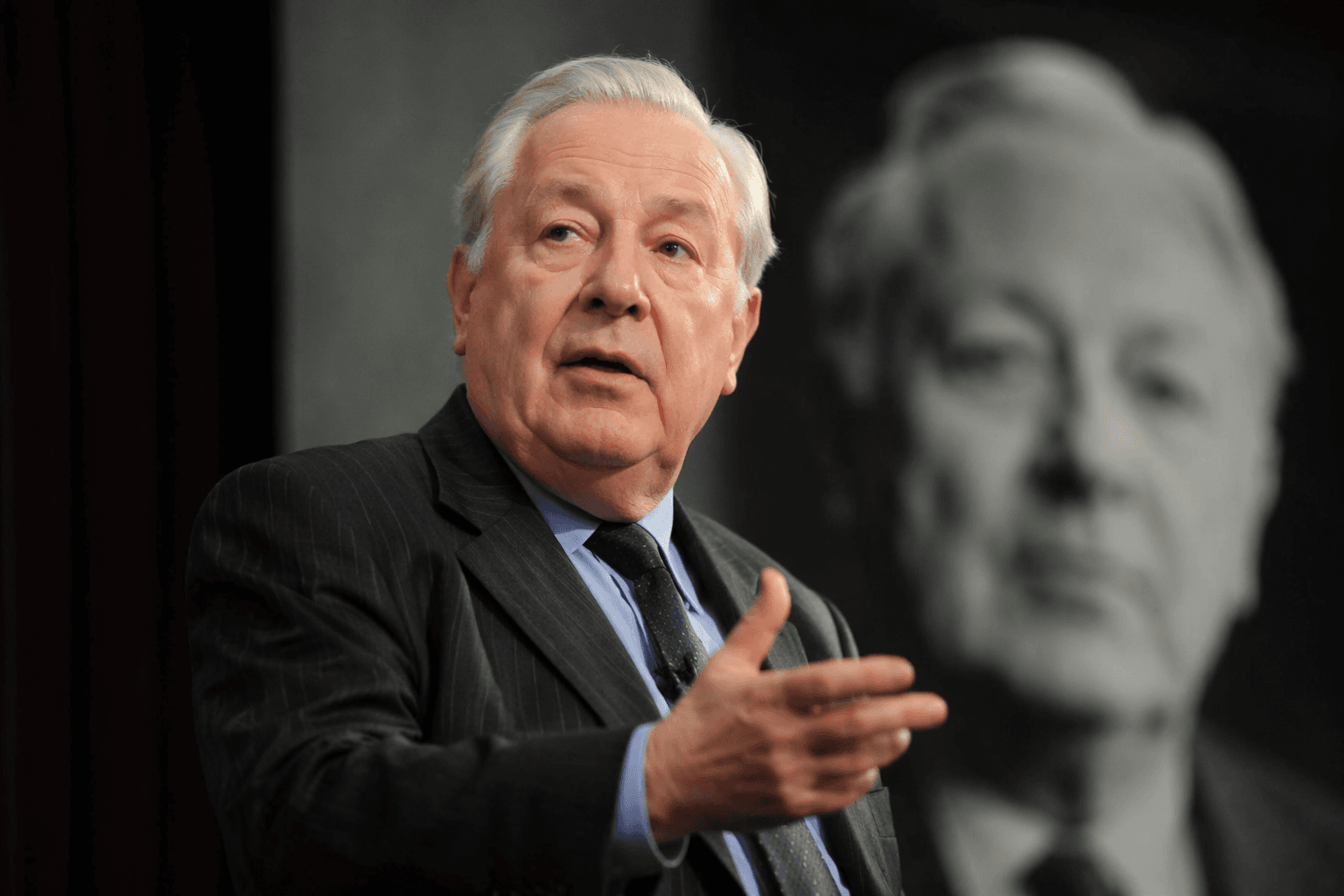
Roy Hattersley’s death at 93 has forced Labour to measure how much of its own modern identity still belongs to the man once known as the party’s “nearly man”. Sir Keir Starmer’s tribute, calling him “a giant of the Labour movement”, underlined that Hattersley’s politics of equality, democracy and parliamentary seriousness still sit close to Labour’s self-image, even as the party has moved far from the era that shaped him.
Hattersley died after a career that ran through the making and remaking of postwar Labour. Born in Sheffield on 28 December 1932, he entered Parliament as MP for Birmingham Sparkbrook on 15 October 1964 and held the seat until 1 May 1997. He served under Harold Wilson and Jim Callaghan, including as Secretary of State for Prices and Consumer Protection from 10 September 1976 to 5 May 1979. He was deputy leader of the Labour Party from 2 October 1983 to 18 July 1992, alongside Neil Kinnock, but never won the leadership himself.
That failure to reach the top job became part of his political legend. Hattersley spent more than two decades of his 33 years as an MP on the opposition benches, a reminder of the long years when Labour was divided, out of power and still searching for a convincing governing story. His later move to the House of Lords, where he sat as Lord Hattersley from 24 November 1997 until retiring on 19 May 2017, extended a public life that had already outlasted the Westminster role that made his name.
The tributes drew a clear line between the Labour Party Hattersley inhabited and the one that exists now. Lord Kinnock said he was “deeply saddened” and described Hattersley as “a socialist of deep conviction” and “a dedicated democrat”. Lucy Powell said Hattersley shaped “the Labour Party and British politics”, while Nigel Evans called him “one of the genuine old Labour politicians”. Together, those remarks pointed to the parts of Hattersley’s legacy Labour still claims: social democracy, institutional loyalty and a belief that politics should be argued inside the system, not outside it.

What the tributes did not recover was the world that denied Hattersley the leadership and defined him instead as a permanent runner-up. He wrote more than 20 books, including biographies, histories and memoirs, and remained a public intellectual long after leaving the Commons. That broader career gives his death a sharper edge for Labour today: Hattersley embodied a serious, reformist tradition that still echoes in the party, but the political age that made him is now gone.
This article was produced by Prism’s automated news system from verified source data, official records, and press releases, then run through automated quality and moderation checks before publishing. The system is built and supervised by the people who set the standards it runs under. Read our full AI policy.
Know something we missed? Have a correction or additional information?
Submit a Tip