Royal commission urges national gun buyback after Bondi terror attack
The Bondi inquiry pushed for a national gun buyback while finding no legal or regulatory gap blocked the response to an attack that killed 15 people.
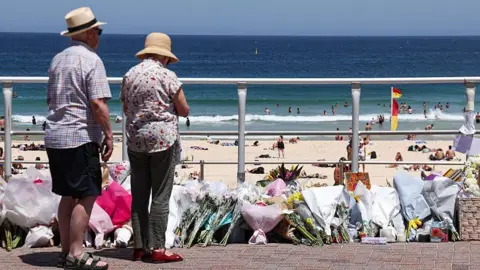
The interim report into the Bondi terror attack urged Australia to move toward nationally consistent firearms laws and a national gun buyback, even as it found no legal or regulatory gap that stopped authorities from preventing or responding to the shooting at Bondi Beach.
Tabled in the Australian Parliament on 30 April 2026, the 14-recommendation report shifted the debate from whether police or intelligence agencies had the tools they needed to how governments should harden the system after an attack that killed 15 people during a Hanukkah celebration on 14 December 2025. Naveed Akram remains before the courts on terrorism and murder charges. His father, Sajid Akram, was shot dead at the scene.
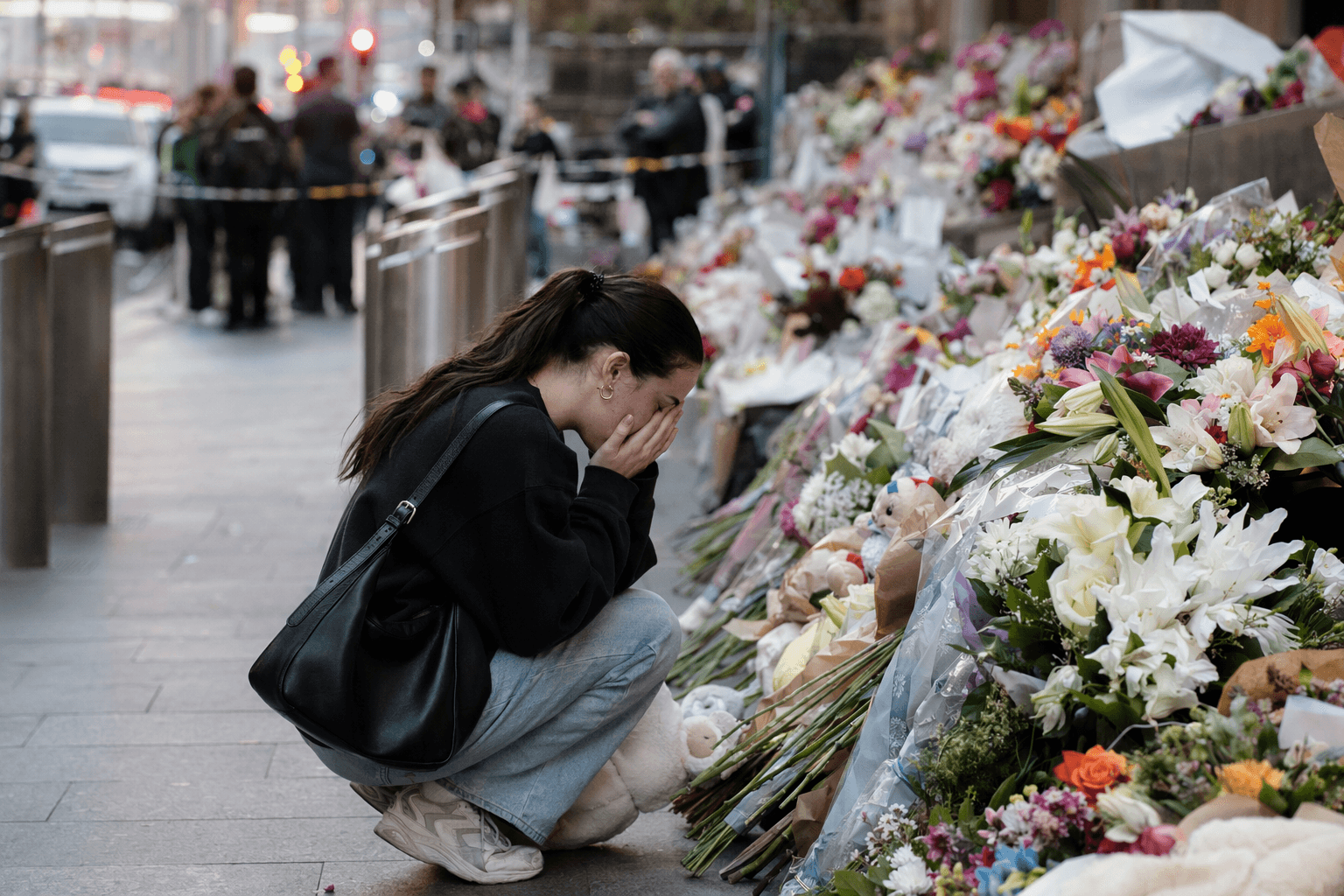
Because the commission found no missing statutory power at the moment of crisis, the report reads less like an indictment of a single failure than a warning about the wider policy architecture around firearms, policing and counter-terrorism. The call for a buyback and uniform gun laws aims at the national level of risk, not just the local response to one night in Sydney.
The report also said NSW Police’s Operation Jewish High Holy Days procedures should be extended to other high-risk Jewish festivals and events, particularly those with a public-facing element. That recommendation broadens the focus from a single holiday deployment to a standing model for protecting vulnerable gatherings.
Beyond gun control and event security, the commission recommended reviewing Joint Counter Terrorism teams around Australia, considering a full-time Commonwealth Counter-Terrorism Coordinator, updating the Counter-Terrorism Handbook more regularly, and requiring National Security Committee ministers, including the prime minister, to take part in counter-terrorism exercises within nine months of each federal election.
Anthony Albanese said the government would adopt the Commonwealth-related recommendations and work with states and territories on the broader measures. That is the political test now: whether Canberra and the states turn an interim response into durable law and practice, or whether the strongest proposals fade once public anger over the Bondi attack recedes.
The royal commission, established on 9 January 2026 and led by Virginia Bell AC SC, is due to deliver its final report on 14 December 2026, the first anniversary of the attack. For now, the interim report places the burden on governments to prove that grief over Bondi will translate into lasting change.
This article was produced by Prism’s automated news system from verified source data, official records, and press releases, then run through automated quality and moderation checks before publishing. The system is built and supervised by the people who set the standards it runs under. Read our full AI policy.
Did this article answer your question?

