RSPCA Rescues More Than 250 Doodle Dogs From Squalid Nottingham Home
Some of the 250+ doodle dogs found crammed into a Nottingham home were sleeping inside a wood burner, in a case that sparked a viral row over whether the images were AI-generated.
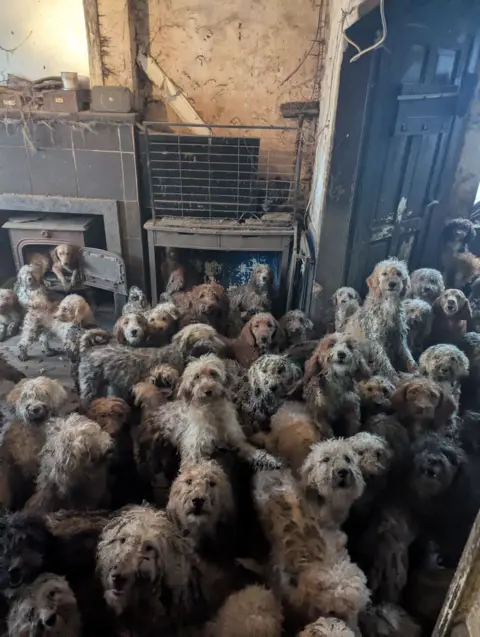
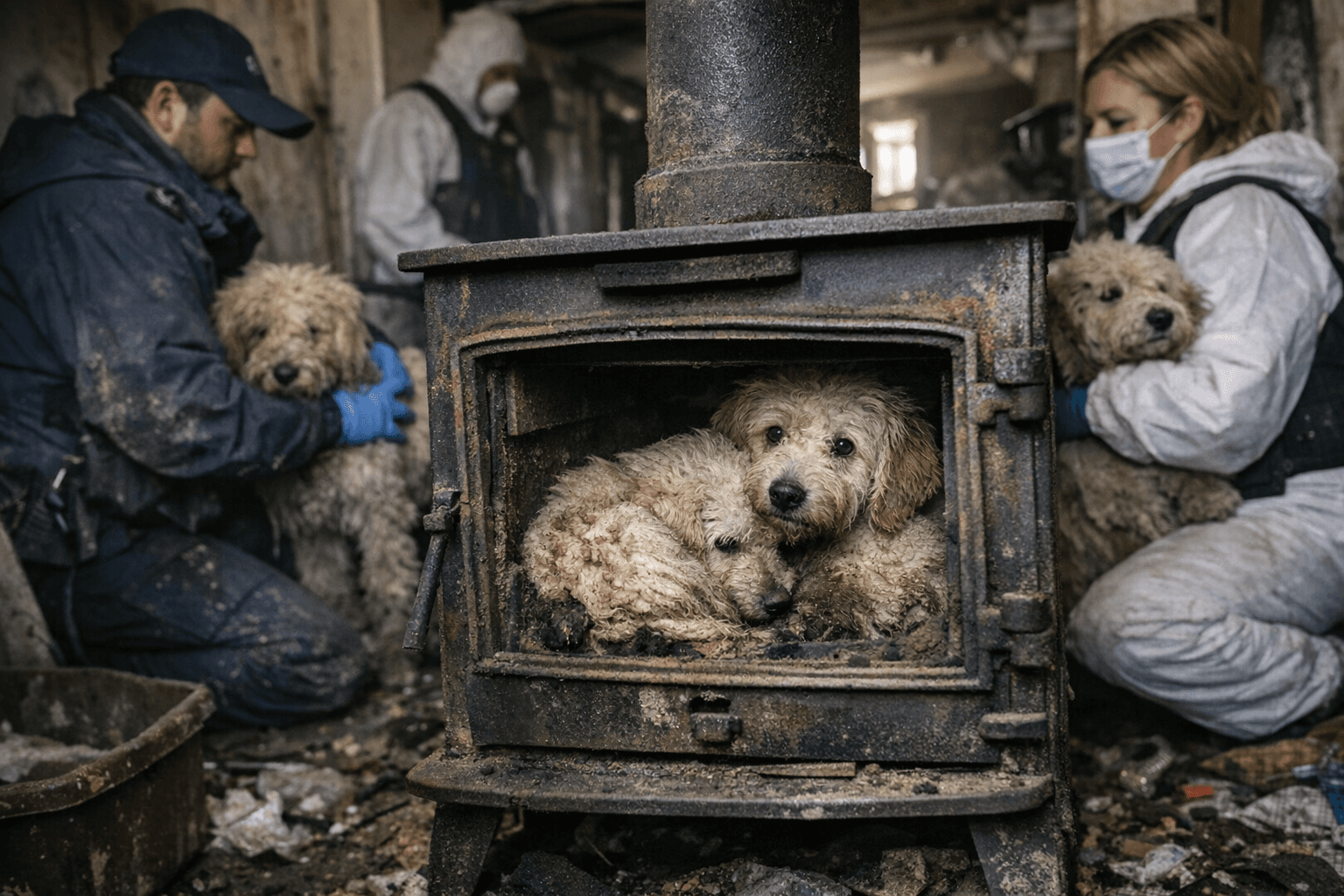
Among the more than 250 poodle-cross dogs discovered inside a single property in Nottingham in January, some had taken shelter inside the fireplace's wood burner. Others cowered under tables, their coats matted and crusted, their skin raw with sores. The animals had been caked in their own filth, and the living space had effectively collapsed under the weight of unchecked breeding.
RSPCA officers were alerted to the property by concerned neighbours. When inspectors arrived, the owners told them they had simply lost control, that a breeding operation involving doodles, the broad term for poodle crosses popular since the pandemic, had spiralled beyond anything they could manage. The charity assessed the owners as extremely vulnerable, citing extenuating family circumstances, and opted not to pursue prosecution. The RSPCA attributed the situation to a combination of mental health struggles, the cost of living crisis, and poor breeding practices.
Of the 250-plus animals rescued, 87 were taken in by the RSPCA and the remainder signed over to the Dogs Trust. Dogs were distributed across centres in Hertfordshire, Surrey, Norfolk, and Nottinghamshire. At the RSPCA's Radcliffe Animal Centre in Nottingham, staff noted that some animals arrived so frightened they had to be carried from their kennels to the grass. Among them were four-year-old Eva and one-year-old Teddy, both still seeking patient, understanding owners "to continue their journey and show them the world isn't such a scary place."
At Southridge Animal Centre in Potters Bar, Hertfordshire, two of the rescued dogs are still waiting: Stevie, a blind and deaf cream-coloured cocker spaniel, and Sandy, the dog who acts as her guide. The pair must be rehomed together. Radio DJ and RSPCA Ambassador Kate Lawler visited Southridge to meet them and draw attention to their situation.
When the RSPCA posted images of the dogs crammed into the living room on social media, a significant portion of the public accused the charity of sharing AI-generated photographs. RSPCA Superintendent Jo Hirst pushed back directly: "This photo is not AI, it's real. This is the staggering reality of what can happen when even well-meaning owners become overwhelmed." Hirst also described the scene as emblematic of what frontline officers are confronting with increasing frequency.
The Nottingham case sits within a sharply rising national trend. New RSPCA figures show that incidents across England and Wales involving 10 or more animals have increased by nearly 70% in four years. In 2025 alone, the charity responded to 4,200 such incidents, including 471 in Yorkshire. In December, the RSPCA worked alongside Devon and Cornwall Police to remove more than 100 cats, a dog, and a tortoise from a three-bedroom house; all were successfully rehomed within three weeks.
Hirst described the pressure now bearing down on the charity's network: "We are struggling with rising reports of cruelty and neglect and over recent years more and more of those reports will involve 10, 20, even 100 animals. We currently have more animals in our care than space in our centres." A spokesperson for Radcliffe Animal Centre offered a note of progress amid the strain: "Many of the dogs from this rescue have now been reserved or have already gone to their new homes and we couldn't be prouder of how far they've come." Stevie and Sandy remain the exception, their futures still unresolved.
This article was produced by Prism’s automated news system from verified source data, official records, and press releases, then run through automated quality and moderation checks before publishing. The system is built and supervised by the people who set the standards it runs under. Read our full AI policy.
Did this article answer your question?


