Ørsted Sues to Block U.S. Suspension of Revolution Wind Lease
Ørsted and its joint-venture partner filed federal suit in Washington to overturn a Dec. 22, 2025 lease suspension that halted work on the Revolution Wind offshore project, arguing the order is unlawful and would inflict billions in harm. The litigation puts a high-profile U.S. offshore wind development and roughly $5 billion of investor commitments at the center of a standoff between energy policy and asserted national security concerns.
Ørsted and its partner Skyborn Renewables brought suit in the U.S. District Court for the District of Columbia on Jan. 1–2, 2026 seeking a preliminary injunction to lift a government order that suspended the lease for the Revolution Wind project. The developer team, operating as Revolution Wind LLC under a 50/50 joint-venture structure, said the Dec. 22, 2025 suspension would cause substantial and irreparable harm and that the government action exceeded legal authority.
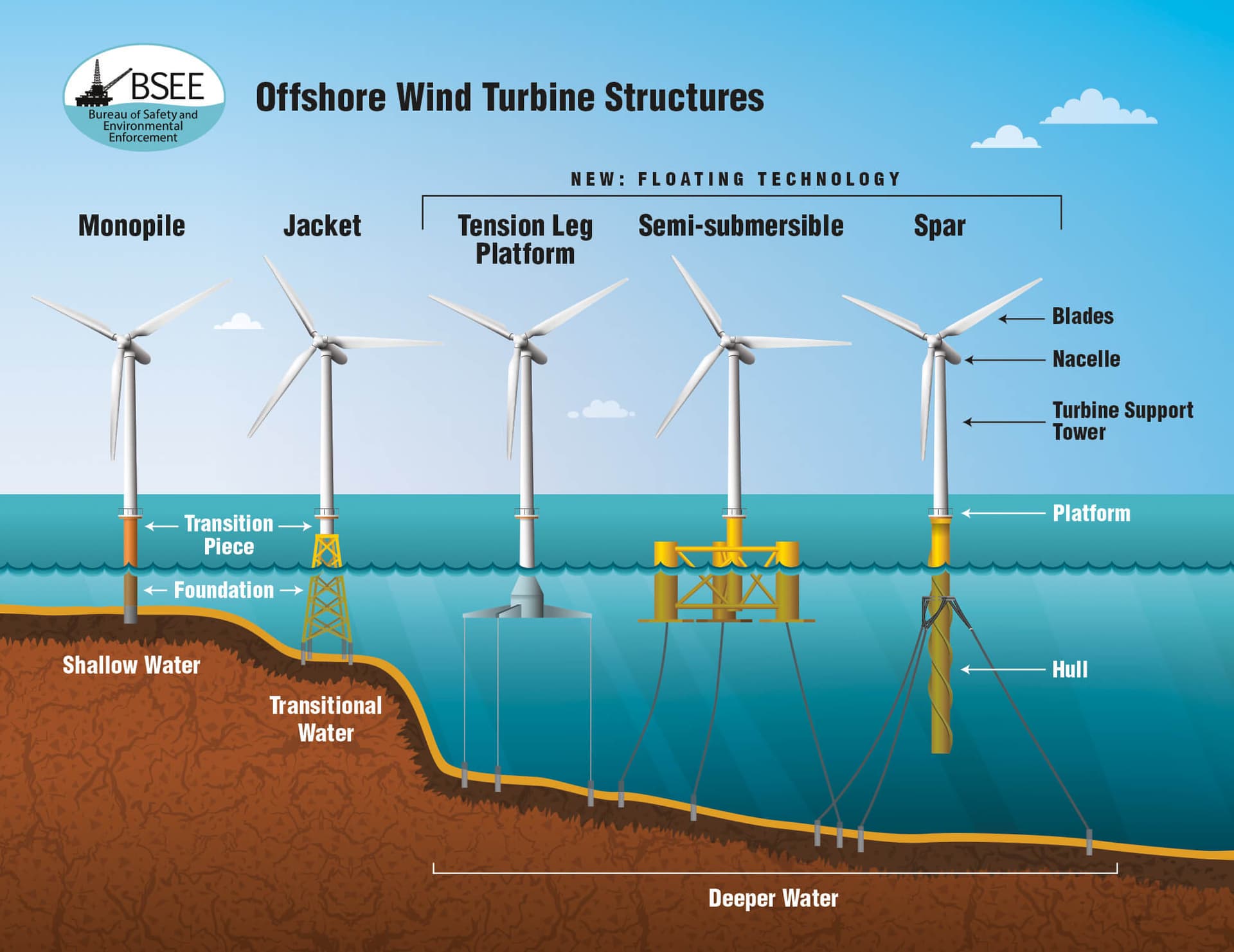
Revolution Wind is a planned 704-megawatt offshore wind farm sited roughly 15 miles south of the Rhode Island coast. The owners’ filings and public statements cited about $5 billion already spent or committed to the project; some other public estimates place total project costs higher, at approximately $6.0 to $6.2 billion. Developers have said the project was largely complete, with public reporting placing physical progress between roughly 80 percent and 87 percent, and that turbines could begin generating power this month to supply an estimated 350,000 customers in Connecticut and Rhode Island.
The suspension order, issued on Dec. 22, 2025 by the federal agency that oversees offshore leasing, froze work on Revolution Wind along with several other major Atlantic offshore projects. The administration cited national security concerns in the action; a letter from the Bureau of Ocean Energy Management alluded to such concerns but did not provide detailed public explanations. Public reports differ on which presidential administration issued the order, and the filings themselves refer generally to action by the Interior Department and BOEM.
Legal filings argue that the suspension violates federal law and that the developers have repeatedly sought to cooperate with federal authorities and other stakeholders. The complaint follows an earlier stop-work order issued in August 2025 that was overturned by a federal court in December 2025, creating a pattern of litigation between developers and the government over project oversight.

Markets reacted unevenly to the dispute. Public accounts indicated an immediate and sharp share-price swing following the Dec. 22 action, with an initial drop reported near 13 percent and later gains of more than 4 percent on news that the company had sued to block the suspension. The legal move underscores investor anxiety about regulatory and national-security risks that can rapidly alter valuations for companies invested in large energy infrastructure projects.
Beyond immediate market volatility, the case raises broader policy questions about balancing national security with climate and energy goals. Offshore wind has been a central plank of U.S. clean-energy strategy and has attracted billions in private capital, manufacturing investments and supply-chain development. A suspension that reaches multiple Atlantic leases threatens contracts, jobs and financing across that nascent industrial ecosystem and could prompt lenders and insurers to demand higher risk premiums.
As of Jan. 2, 2026, the court docket did not disclose a hearing schedule. Key documents that will shape the litigation include the developers’ complaint and injunction request and the BOEM correspondence outlining the government’s national-security rationale. Those filings will determine whether work can resume on a project that backers say is close to delivering power to customers and that represents a major sunk investment in U.S. clean-energy capacity.
This article was produced by Prism’s automated news system from verified source data, official records, and press releases, then run through automated quality and moderation checks before publishing. The system is built and supervised by the people who set the standards it runs under. Read our full AI policy.
Did this article answer your question?

