Rubio Directs U.S. Diplomats to Use X, Coordinate With Military Psyops Units
Rubio's cable directing U.S. diplomats to use X alongside military psyops units to fight anti-American propaganda marks a sharp shift in U.S. information strategy.
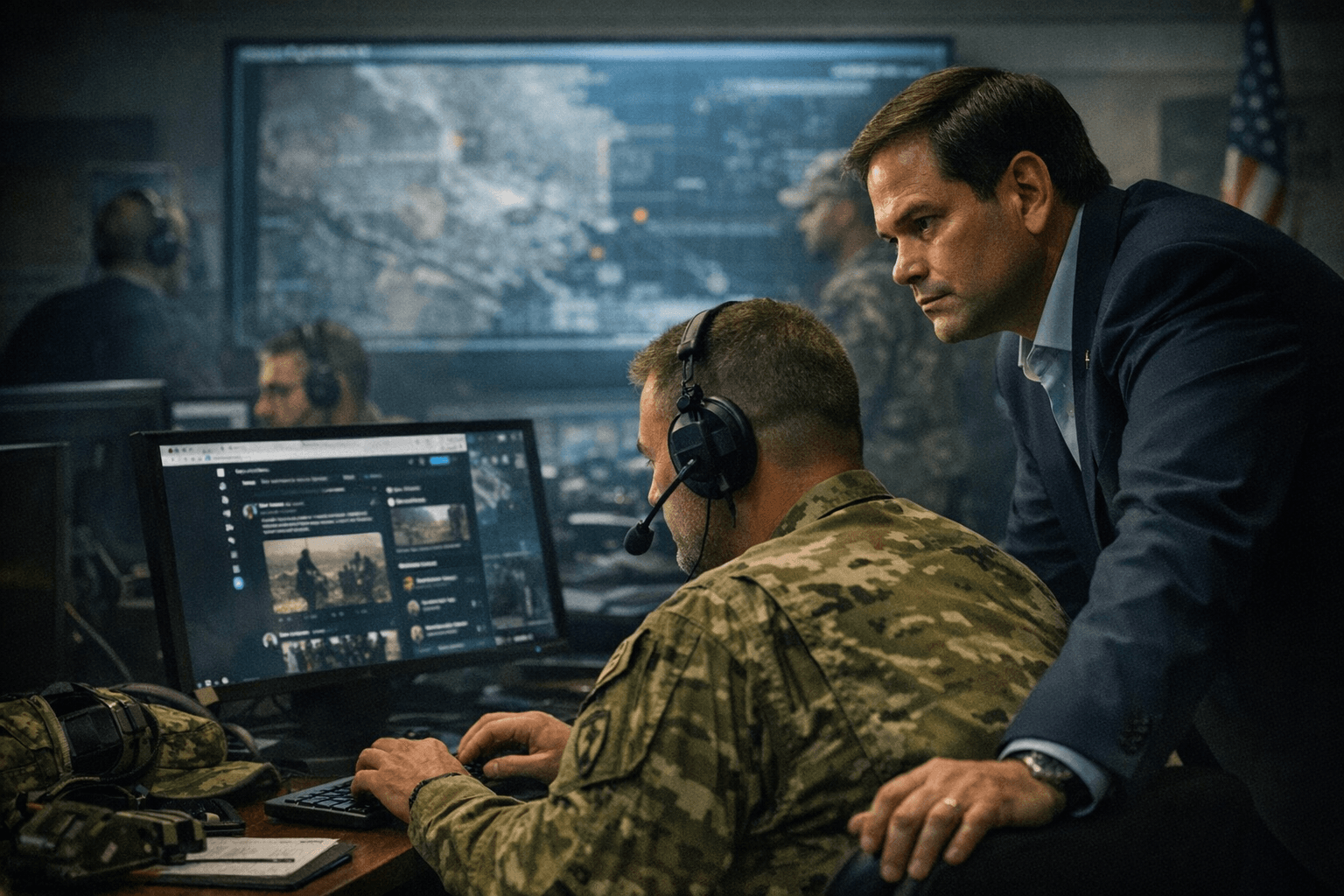
A diplomatic cable signed by Secretary of State Marco Rubio and reviewed by Reuters directed U.S. diplomats at posts worldwide to use the social media platform X and to coordinate with U.S. military psychological operations units in a campaign to "counter foreign anti-American propaganda."
The cable, dated in late March and first revealed by The Guardian, was circulated to consular and diplomatic officers across U.S. embassies globally. It outlined a multi-pronged strategy: sustained activity on X to advance pro-U.S. narratives, active identification and public exposure of foreign influence operations, and direct coordination with Pentagon psyops components to amplify counter-messaging.
The directive represents a notable pivot from Rubio's earlier moves on the same turf. Earlier in his tenure, Rubio shuttered the State Department's Counter Foreign Information Manipulation and Interference hub, known as R/FIMI, a successor to the Obama-era Global Engagement Center established in 2016 specifically to combat disinformation from Russia, China, and Iran. Rubio said at the time that the center had overstepped its mission and worked to "silence and censor" Americans. The new cable replaces that institutional framework with a more aggressive, platform-specific approach built around social-media engagement and military information capabilities.
Critics said the directive risks collapsing the traditional distinction between public diplomacy, which promotes U.S. policy and values openly abroad, and covert or quasi-covert influence activities. That concern is compounded by the cable's reported instruction for consular officers to conduct social-media checks on certain visa applicants. The State Department separately expanded its social-media vetting program for nonimmigrant visa applicants effective March 30, adding 15 additional visa categories to the review pool and requiring applicants to set their online profiles to public before visa interviews.
The involvement of military psyops units drew the sharpest scrutiny. Psychological operations are designed to influence the beliefs and behaviors of foreign audiences, a purpose that critics argue sits uncomfortably alongside diplomatic functions that depend on perceived credibility and transparency. Observers warned that intertwining military information capabilities with State Department social-media activity could erode trust in U.S. messaging among allied governments and foreign publics already wary of American digital influence.
Supporters of the cable's approach countered that modern information environments demand active counter-engagement rather than passive monitoring, particularly on a platform where foreign state actors have long waged coordinated influence campaigns.
The directive is expected to draw congressional scrutiny, and allied governments may reassess the sourcing and intent behind U.S. digital diplomacy as a result. Official responses from the State Department remained pending at the time of publication.
This article was produced by Prism’s automated news system from verified source data, official records, and press releases, then run through automated quality and moderation checks before publishing. The system is built and supervised by the people who set the standards it runs under. Read our full AI policy.
Did this article answer your question?


