Rubio eyes Iran nuclear talks as ceasefire falters and Congress presses war strategy
Rubio told lawmakers Iran was open to new nuclear talks even as the ceasefire frayed and tanker traffic in the Strait of Hormuz fell.

Marco Rubio used a rare public turn on Capitol Hill to argue that Iran had opened the door to nuclear discussions, even as the ceasefire around the war looked increasingly brittle and Congress sharpened its scrutiny of President Donald Trump’s strategy.
Rubio testified before the Senate Foreign Relations Committee on Tuesday morning, then was set to face a House Appropriations subcommittee later the same day, with another round of hearings scheduled for Wednesday. The back-to-back appearances, centered on the State Department’s FY2027 budget request, marked his first public testimony since the war began on Feb. 28, 2026, after an earlier classified briefing for lawmakers following the first U.S. and Israeli strikes.

The immediate backdrop was a ceasefire under strain. Recent back-and-forth attacks have tested the truce, and the fighting has already cut tanker traffic through the Strait of Hormuz, the critical passage where about 20% of the world’s traded oil and natural gas moves in peacetime. That disruption has added pressure to global energy markets and helped push U.S. gas prices higher, turning a foreign-policy fight into a pocketbook issue for drivers and businesses.
Lawmakers were expected to use the hearings to press Rubio on far more than the State Department budget. Democrats have criticized the lack of congressional approval for the strikes, while a small but growing group of Republicans has begun questioning the war’s cost and its economic fallout. Last month, the Senate advanced legislation that would have forced Trump to withdraw from the conflict after GOP Sen. Bill Cassidy joined Democrats to move it forward. House Republican leaders later blocked a war powers vote that appeared likely to fail.

Rubio’s comments pointed to a possible diplomatic opening, but not a clean exit. He told lawmakers that Iran had agreed to negotiate aspects of its nuclear program that it had previously refused to discuss, while warning that progress on talks did not guarantee a deal to end the war. U.S. officials have also seen signs of movement in discussions, including topics that had been off-limits, though the status of negotiations remained uncertain.
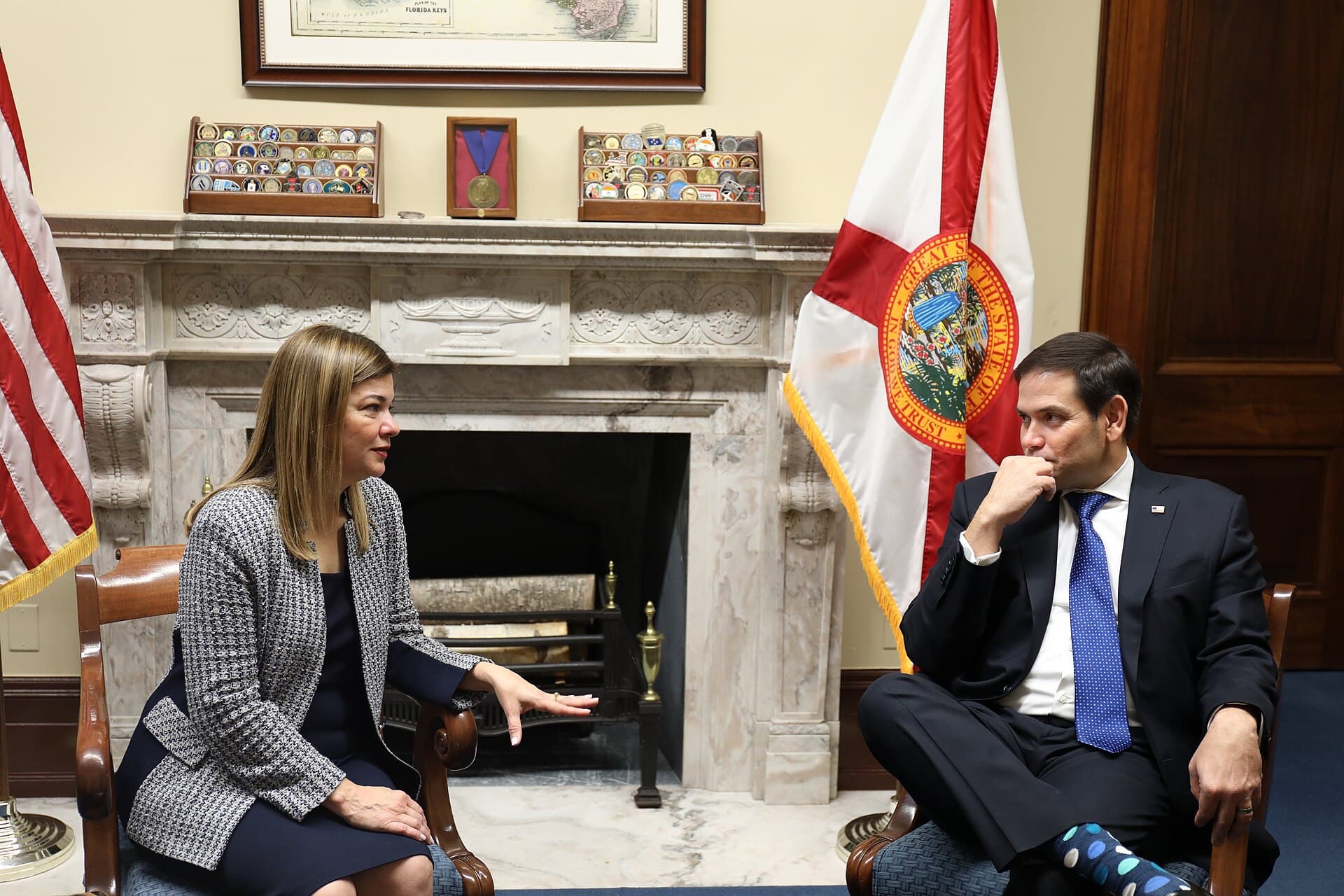
The hearings put Rubio at the center of a fight over war aims, off-ramps and intelligence, as Congress weighs whether the administration can keep the conflict contained or whether the United States is being pulled deeper into a war with wider economic consequences.
This article was produced by Prism’s automated news system from verified source data, official records, and press releases, then run through automated quality and moderation checks before publishing. The system is built and supervised by the people who set the standards it runs under. Read our full AI policy.
Did this article answer your question?