Rubio offers India more American energy as Hormuz risks grow
Rubio landed in India pitching more U.S. energy just as Hormuz risks squeeze LPG supplies and force Delhi to hedge fast.

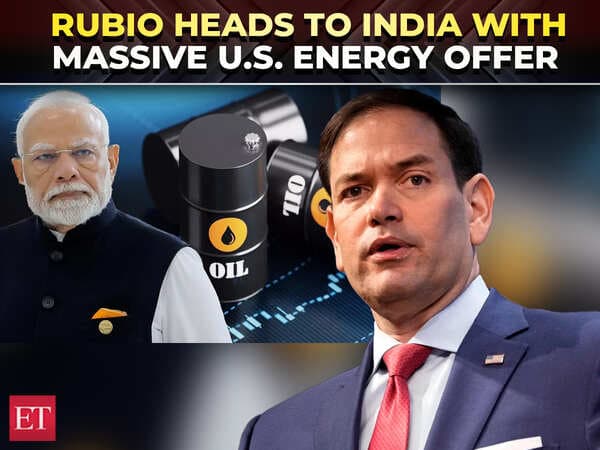
Marco Rubio landed in India with a sales pitch tied to a widening energy shock: Washington wants to sell New Delhi more oil and gas, even as India scrambles to blunt the effects of turmoil around the Strait of Hormuz. The secretary of state arrived on Saturday, May 23, 2026, for a four-day visit meant to steady ties strained by Donald Trump’s tariffs and renewed U.S. engagement with Pakistan and China.
Rubio’s agenda in Kolkata and New Delhi was expected to center on trade, energy security and defence cooperation, and he was slated to meet Prime Minister Narendra Modi. Before departing, Rubio told reporters that the United States wanted to sell India as much energy as it would buy. The message from the Trump administration and the U.S. ambassador in New Delhi was clear: Washington sees energy exports as a lever in the broader reset with India.
The urgency comes from the Hormuz corridor, where even small disruptions can ripple through Indian markets. A government briefing on March 11, 2026, said about 70% of India’s crude imports were routed outside the Strait of Hormuz, but it also said India imported about 60% of its LPG consumption and that roughly 90% of those LPG imports still came through the strait. That leaves households and businesses exposed even as crude flows have been diversified.
India’s strategic oil reserves were designed to cover about 9.5 days of crude needs, and by March they were only about two-thirds full. That cushion has made policymakers cautious about how long the country could ride out a serious interruption. Bharat Petroleum Corp. has been recalibrating its crude import strategy almost daily and increasing spot purchases as Middle East supply disruptions deepen, according to reporting on May 19.

New Delhi has also moved quickly to widen its options. Reuters reported that India took 30 million barrels of Russian crude after Washington gave a temporary green light for cargoes loaded before March 5, and early-2026 reporting said Russia was ready to redirect more crude shipments to India. CNBC reported last month that India resumed oil and gas imports from Iran after a seven-year hiatus, a sign that price pressure and supply stress are forcing a pragmatic rebalancing.

That is the problem Rubio faces. India wants energy security, lower costs and strategic autonomy at the same time. Washington can offer more barrels, but India’s choices will still be shaped by freight risk, reserve levels and the need to keep fuel flowing through a crisis zone that remains central to its imports.
This article was produced by Prism’s automated news system from verified source data, official records, and press releases, then run through automated quality and moderation checks before publishing. The system is built and supervised by the people who set the standards it runs under. Read our full AI policy.
Did this article answer your question?


