Rubio says US will dismantle International Criminal Court
Rubio vowed to dismantle the ICC brick by brick, as Washington weighs sanctions, visa bans and pressure on allies that could reshape war-crimes accountability.
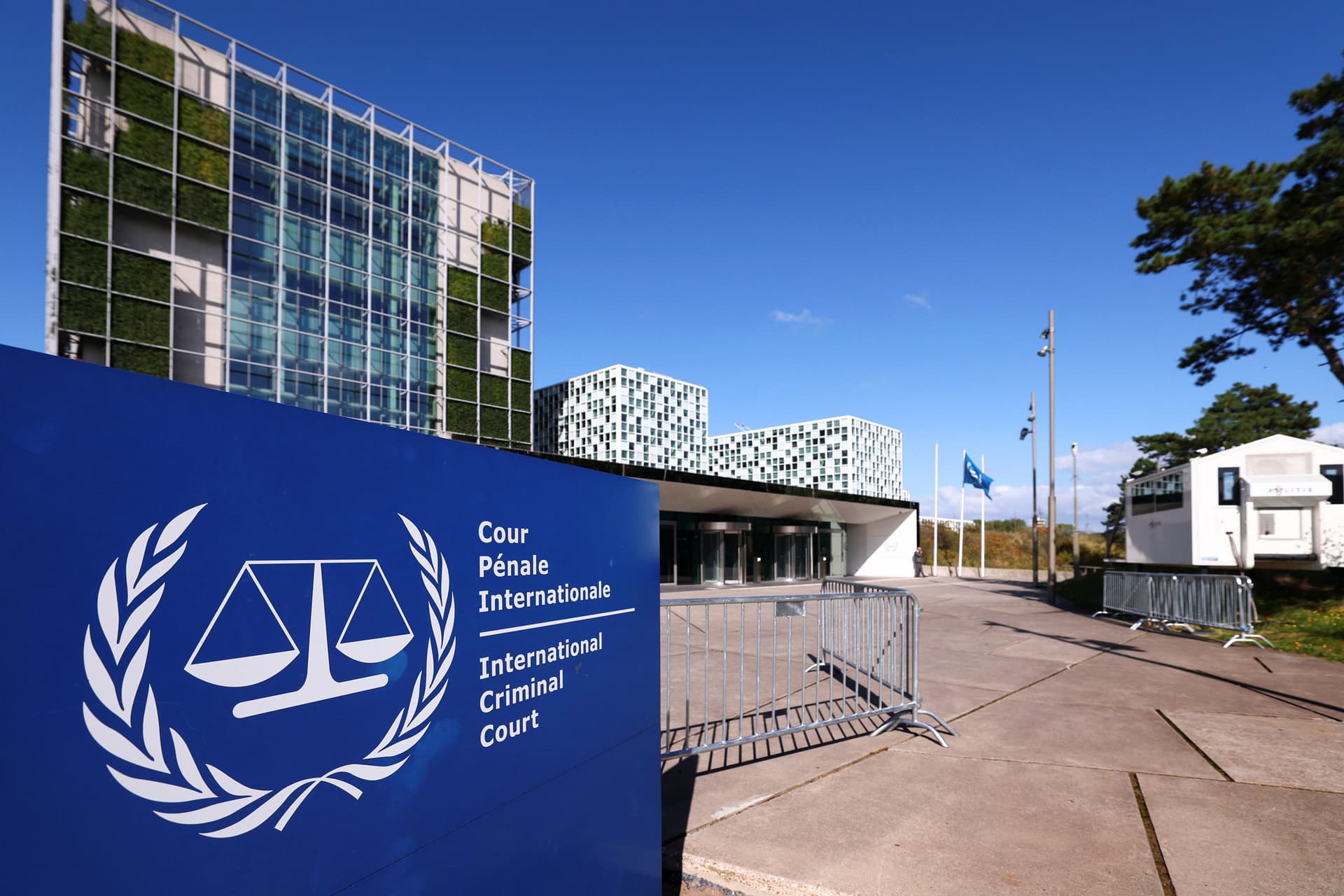
Secretary of State Marco Rubio vowed the United States will “dismantle” the International Criminal Court “brick by brick, if necessary.” Options under consideration include travel bans, visa revocations, increased sanctions against the ICC and affiliated organizations, and diplomatic pressure on other nations to withdraw from the court.
It could make it harder for ICC officials to travel, bank, and work with partner institutions, while signaling to allies that Washington is prepared to use sanctions against judges and prosecutors who pursue cases touching U.S. interests or those of close partners. The ICC did not comment.
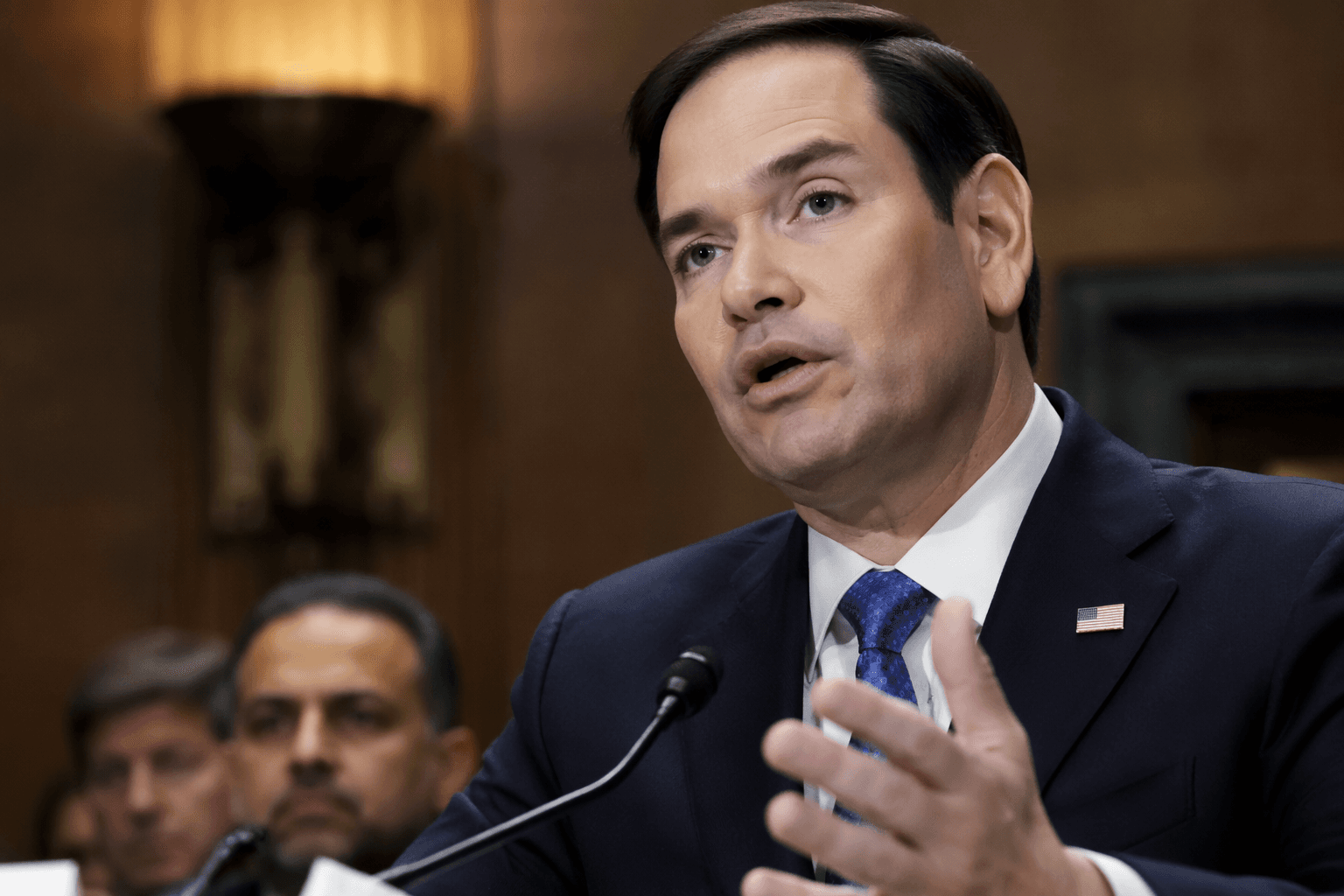
The Rome Statute was adopted in Rome on July 17, 1998, by 120 votes in favor, seven against and 21 abstentions, and the ICC began operating in The Hague in 2002. It now has 125 states parties spanning Africa, Asia-Pacific, Eastern Europe, Latin America and the Caribbean, and Western European and other states, a membership base that gives it reach well beyond Europe.
The confrontation sharpened after the ICC issued arrest warrants on November 21, 2024, for Israeli Prime Minister Benjamin Netanyahu and former defense minister Yoav Gallant over alleged war crimes and crimes against humanity in the Situation in the State of Palestine. Since then, the Trump administration sanctioned four ICC judges and prosecutors on June 5, 2025, and additional judges and prosecutors on August 20, 2025. The ICC called those measures a “flagrant attack” on judicial independence.
By January 2026, a United Nations expert counted 11 sanctioned ICC judges and prosecutors and warned that the sanctions chilled victims, advocates and civil society. In June 2026, three ICC judges sued Donald Trump and his administration over the sanctions.
This article was produced by Prism’s automated news system from verified source data, official records, and press releases, then run through automated quality and moderation checks before publishing. The system is built and supervised by the people who set the standards it runs under. Read our full AI policy.
Did this article answer your question?