U.S. and Iran resume conflict as Strait of Hormuz closure looms
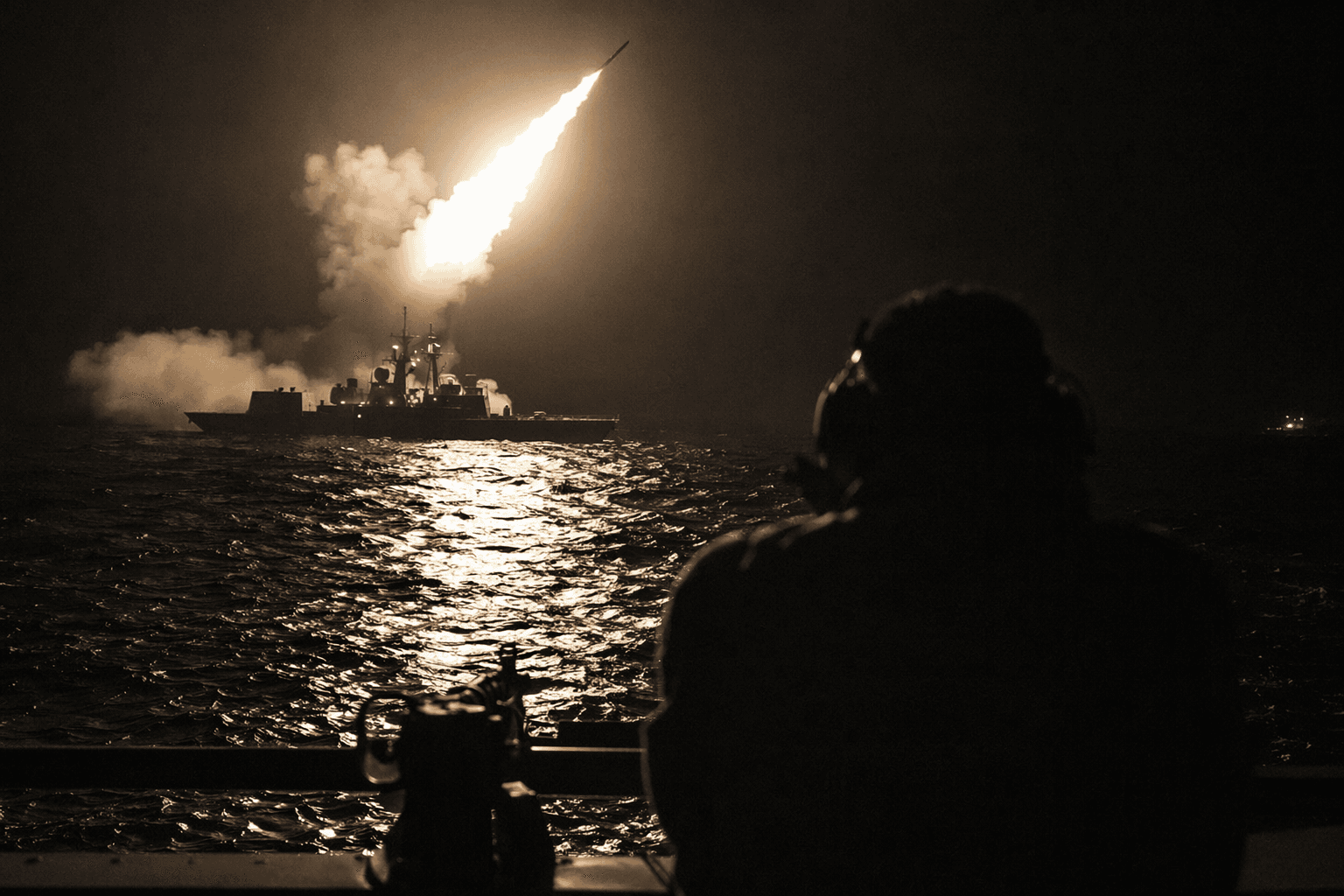
The U.S. military said it would resume its blockade of Iranian ports as missile and drone strikes spread across the Gulf and crude prices spiked.
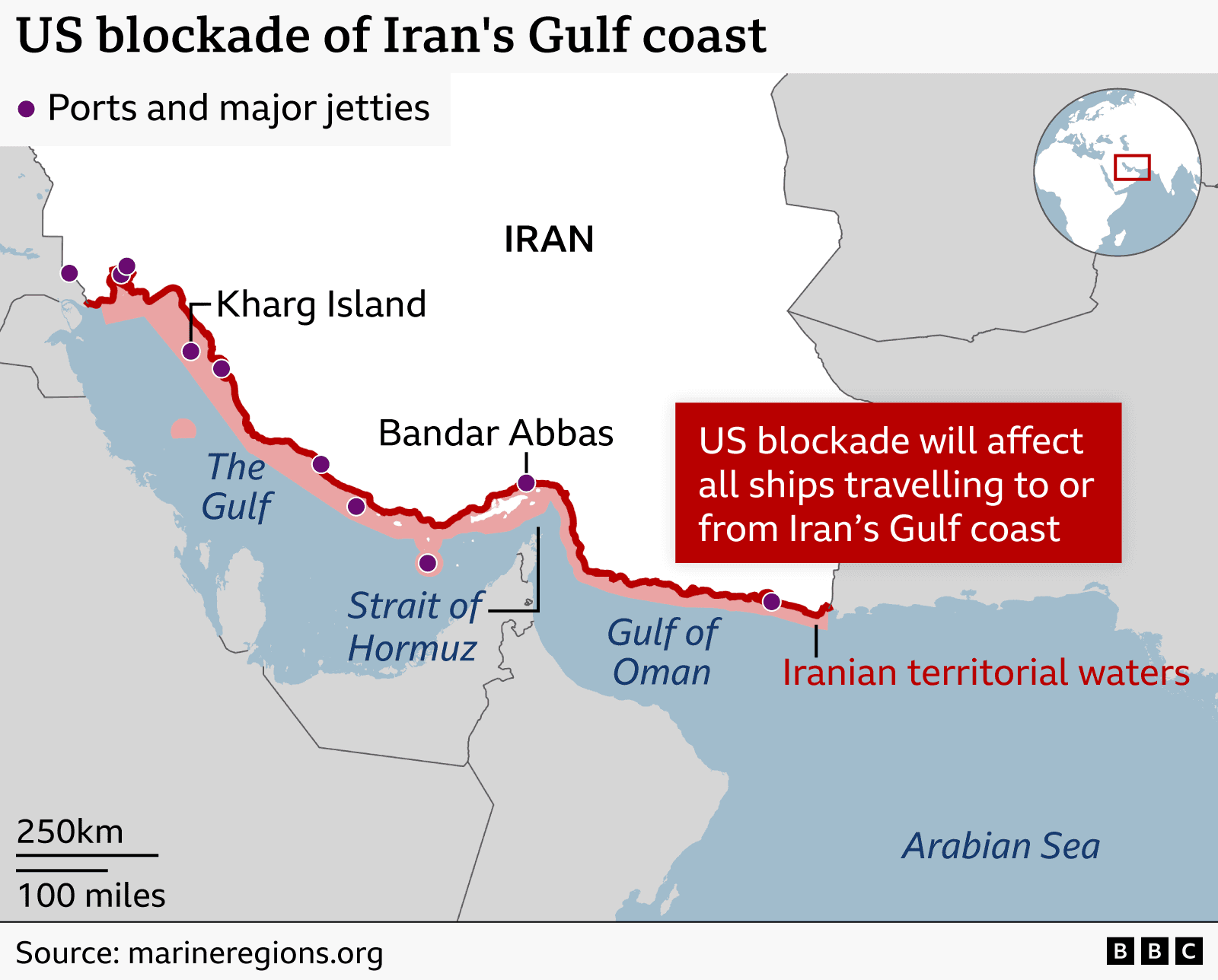
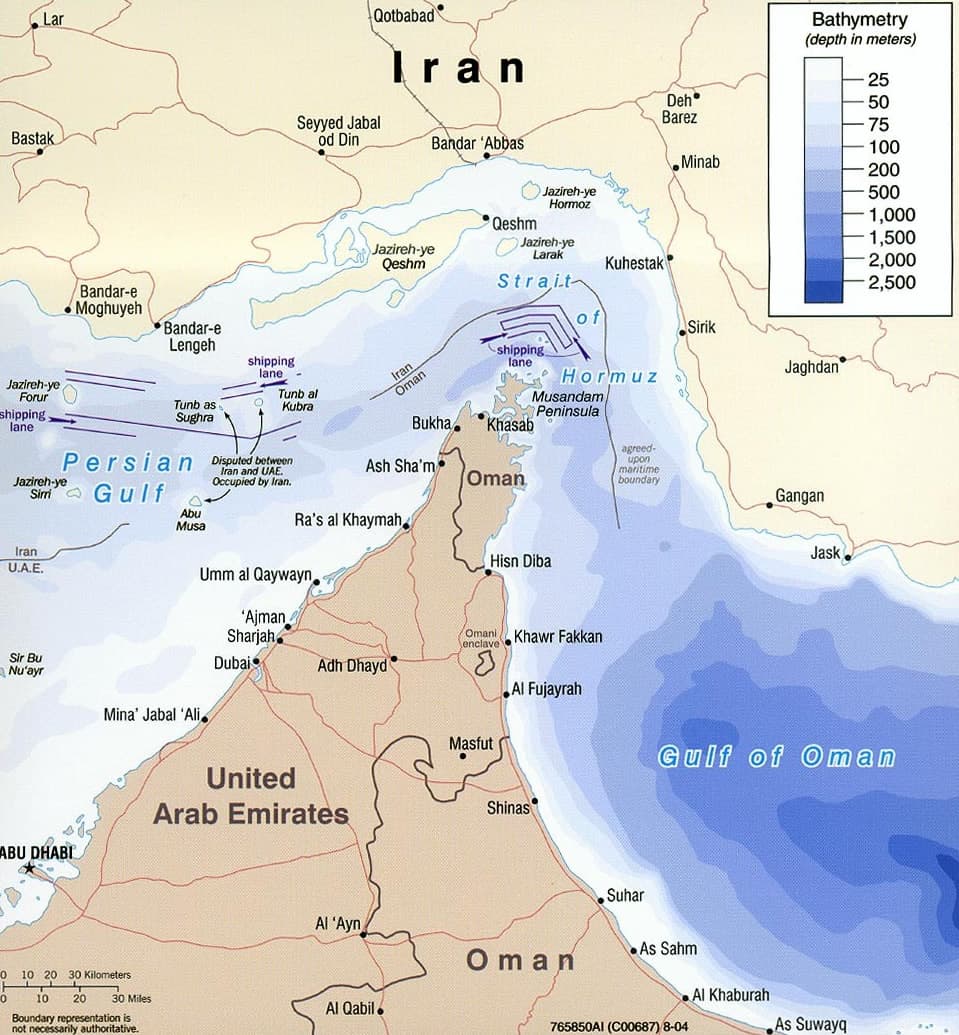
The U.S. military will resume its blockade of Iranian ports Tuesday at 4 p.m. EDT as missiles and drones again crossed the Persian Gulf and struck U.S.-linked facilities in Bahrain, Kuwait, Qatar, the United Arab Emirates, Oman and Jordan. Donald Trump said Monday that the United States was “reinstating” a blockade on Iranian shipping in the Strait of Hormuz and would charge other ships a 20% fee for safe passage, even as Iran closed the waterway and warned vessels not to enter without its approval.
The renewed confrontation marked the collapse of a June 14 cease-fire that had temporarily reopened the Strait of Hormuz, lifted the U.S. blockade on Iranian ports and gave the two sides 60 days to negotiate a final settlement on Iran’s nuclear program. That agreement was set to be signed in Geneva after its announcement. It followed months of fighting that killed 13 U.S. service members and damaged U.S. bases, energy facilities and other infrastructure across the Persian Gulf.
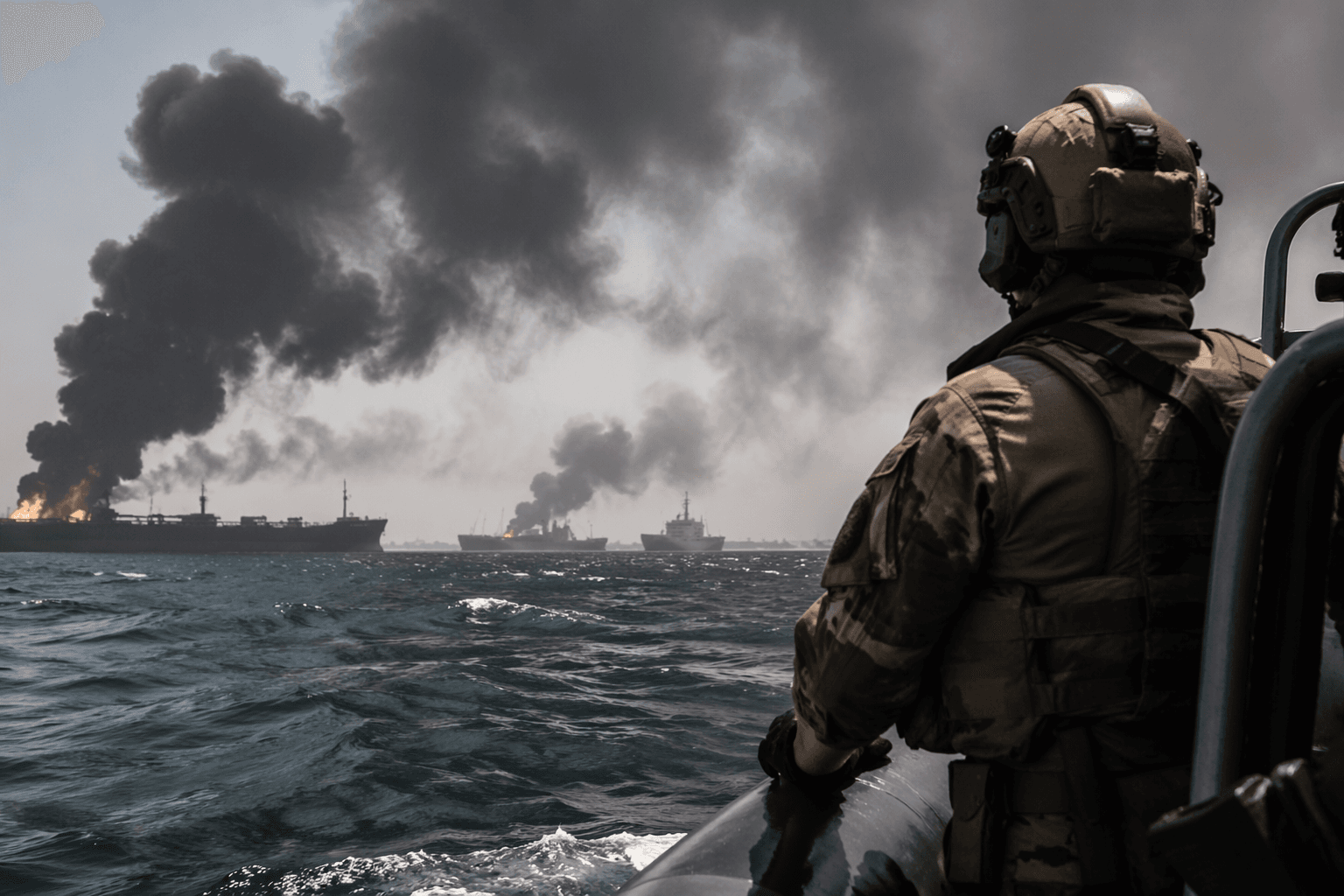
The U.S. Energy Information Administration put the Strait of Hormuz effectively closed since February 28, 2026, before the June deal reopened it, and the International Energy Agency tied the cease-fire to a strong recovery in oil flows through the strait. With the truce unraveling, Brent crude jumped sharply on Monday, rising 7.8% to $81.92 a barrel in one market measure and 9.6% to $83.30 in another.
It can slow tanker traffic, raise insurance costs, and force energy traders to price in the risk that one of the world’s key oil routes could be interrupted again. Trump said the United States would ensure the strait remained open for “fair and open use,” but Washington planned to levy a 20% fee on other ships.
Abbas Araghchi mocked Trump’s toll proposal on social media, and U.S. officials warned that any effort by either side to impose shipping fees could deepen the shock well beyond the Gulf. Sen. Lindsey Graham was “somewhat concerned” that Iran’s interpretation of the agreement differed from that of U.S. negotiators.
This article was produced by Prism’s automated news system from verified source data, official records, and press releases, then run through automated quality and moderation checks before publishing. The system is built and supervised by the people who set the standards it runs under. Read our full AI policy.
Did this article answer your question?