France lets Ukraine produce cruise missiles, bombs and interceptor missiles
France’s first licensed weapons deal with Kyiv will let Ukraine make AASM bombs, Aster interceptors and SCALP missiles at home, shifting support toward co-production.
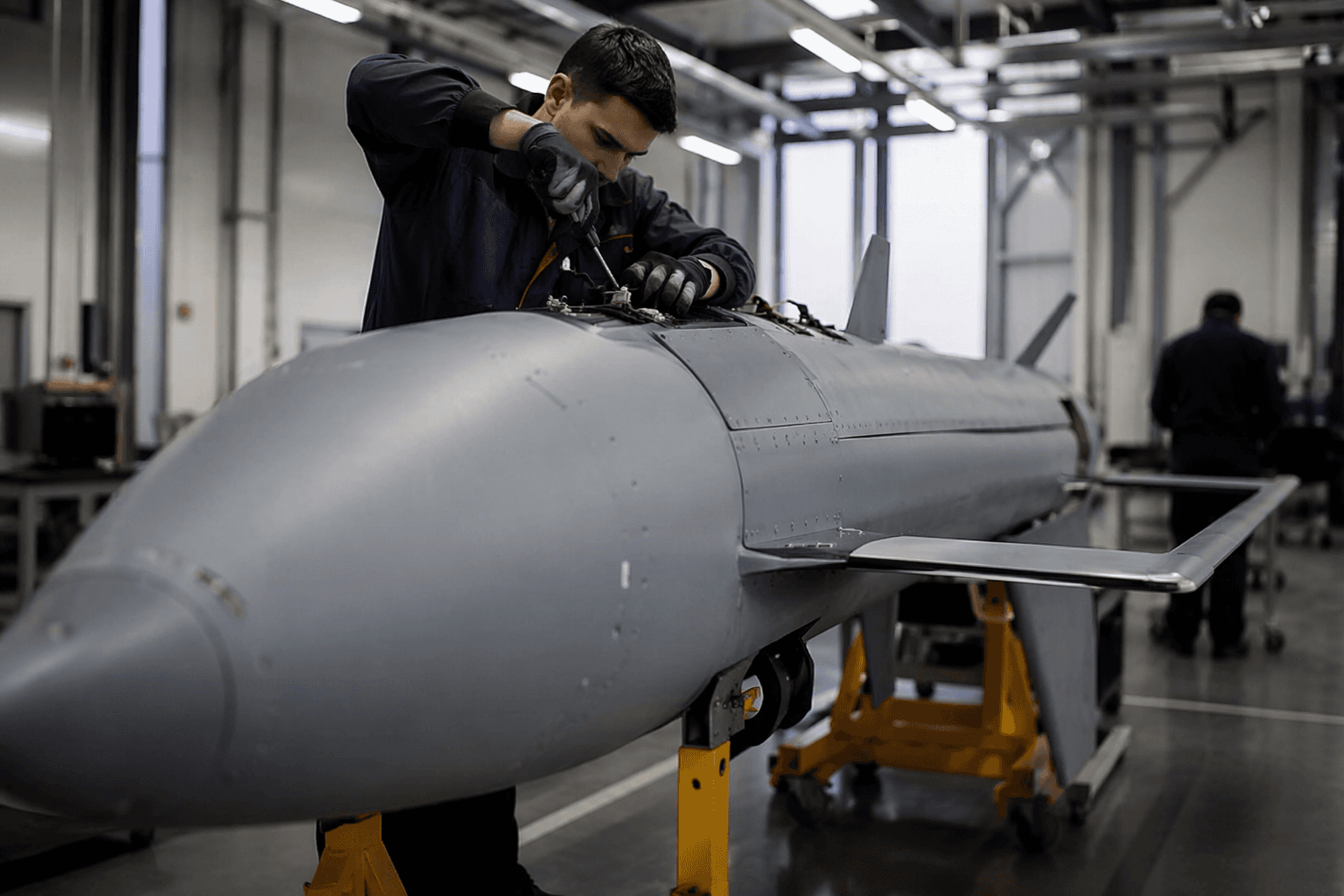
France will let Ukraine produce French-made cruise missiles, precision-guided bombs and air-defense interceptor missiles, Emmanuel Macron said in Paris, in the clearest sign yet that Paris is moving from weapons delivery to shared defense production. Macron said the agreement was the first time France had accepted license production in Ukraine, and said it was meant to help Kyiv rebuild stocks as Russia steps up attacks on energy and military targets.
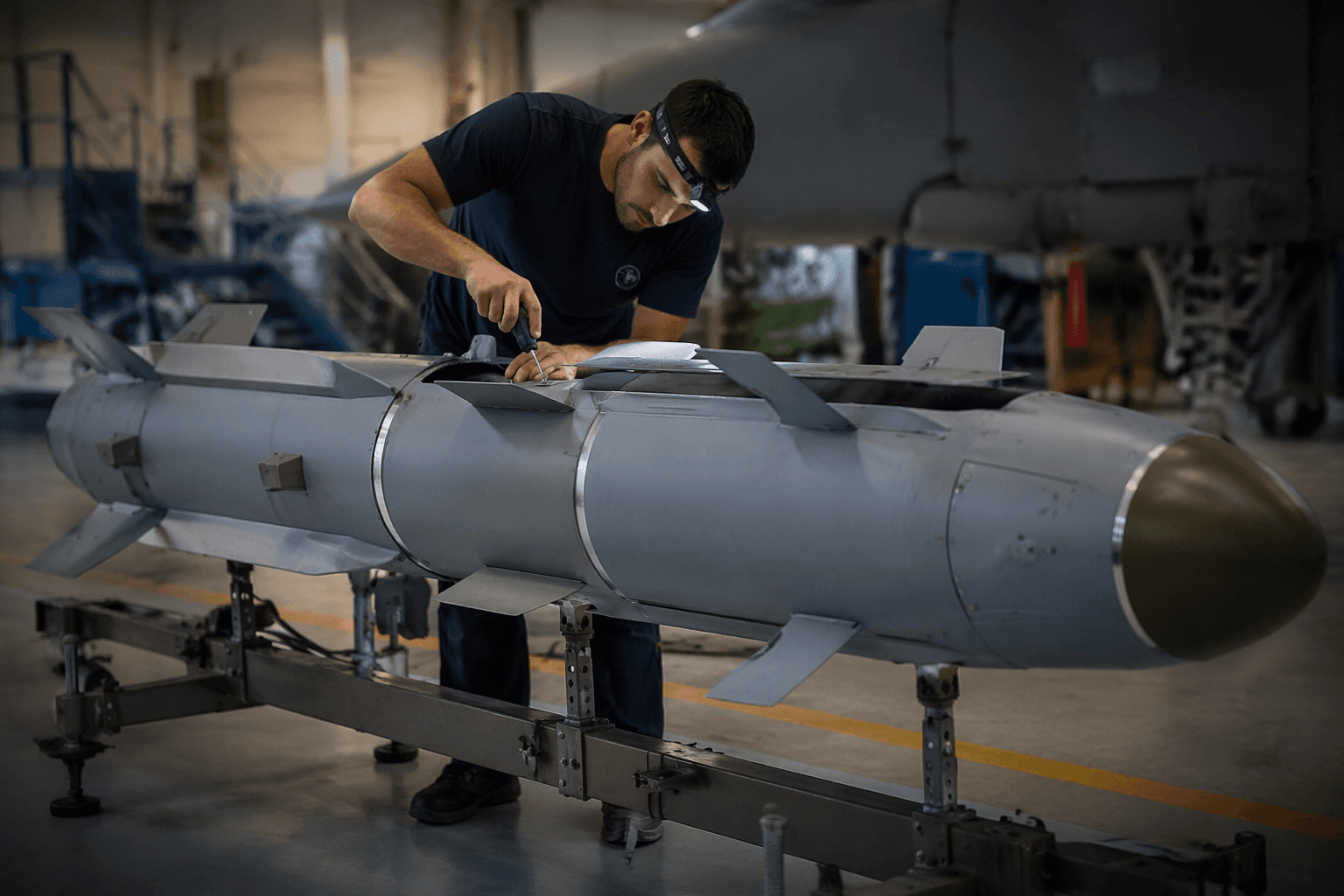
The production plan centers on AASM precision-guided air-to-ground bombs, Aster air-defense interceptor missiles and SCALP long-range air-launched cruise missiles. Macron also said radar systems would be transferred to Ukraine. Volodymyr Zelenskiy has pressed allies for 300 Patriot interceptor missiles for the winter, a demand that underlines how quickly Ukraine’s air-defense needs are outpacing one-off pledges and why domestic output now matters for keeping launchers fed over time.
The Franco-Ukrainian roadmap builds on defense cooperation first outlined in principle last November, when Zelenskiy said Ukraine had placed an order for 100 Rafale fighter jets. Macron said 16 Rafale jets were now part of the package, with deliveries aimed at 2028 to 2029 and intended to give Ukraine an aircraft fleet that can operate in its skies for years rather than months. The long runway on the jets matches the wider shift in the deal: not just replenishing the current fight, but building an industrial base that can sustain future combat.
The Paris meeting also pushed beyond weapons into postwar security planning. Macron said 26 countries had committed to a reassurance force for Ukraine after any ceasefire, while allies agreed to begin military exercises in countries neighboring Ukraine as part of planning for a multinational force that could deploy once fighting stops. Officials are still working out the force’s exact form, mandate and training locations, but the shape of the effort points to a broader European security posture in which Ukraine is treated less as a recipient of aid than as a production partner and frontline military contributor.
That shift carries implications beyond the battlefield. If Ukraine can build French missiles and bombs on its own territory, resupply becomes less vulnerable to delayed shipments, and allied support becomes embedded in factories, training and air-defense architecture. For France and its partners, the deal suggests a Europe that is beginning to organize deterrence not only through stockpiles, but through industrial integration with Kyiv.
This article was produced by Prism’s automated news system from verified source data, official records, and press releases, then run through automated quality and moderation checks before publishing. The system is built and supervised by the people who set the standards it runs under. Read our full AI policy.
Did this article answer your question?