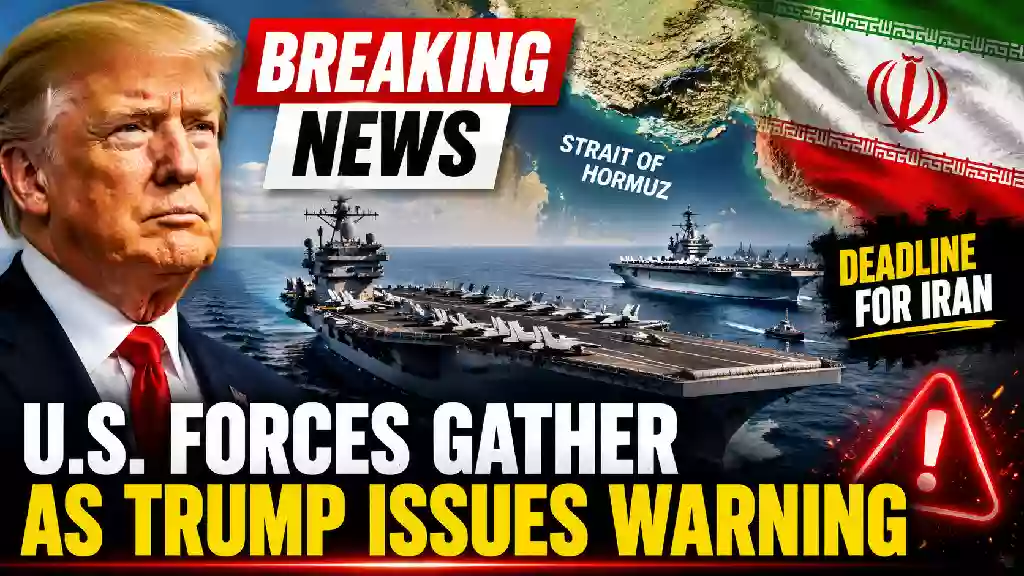
U.S. hits more than 300 Iranian targets in three-night strike campaign
CENTCOM said U.S. strikes hit more than 300 Iranian targets in three nights, including 140 on the latest wave. The campaign centered on Hormuz shipping routes.
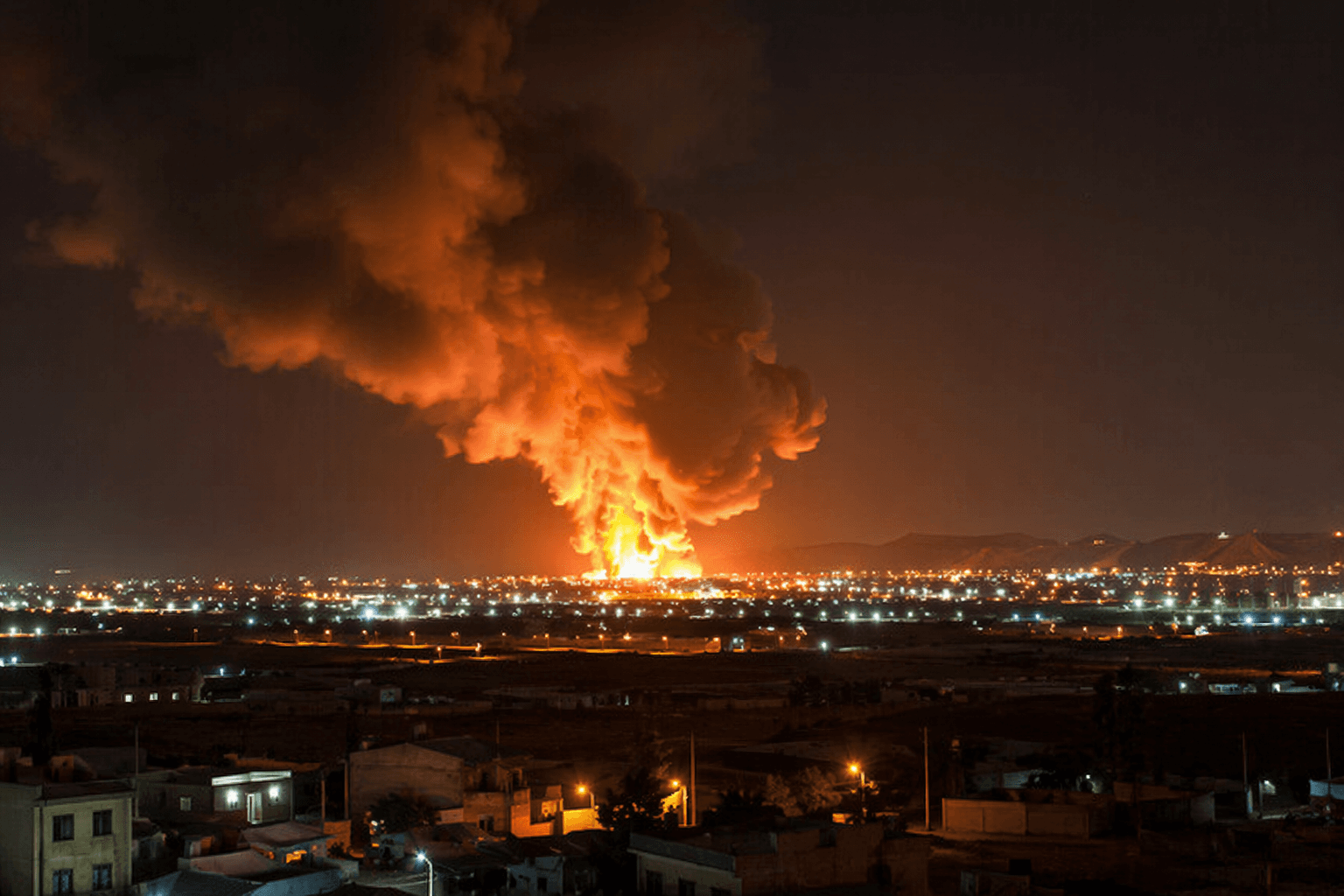
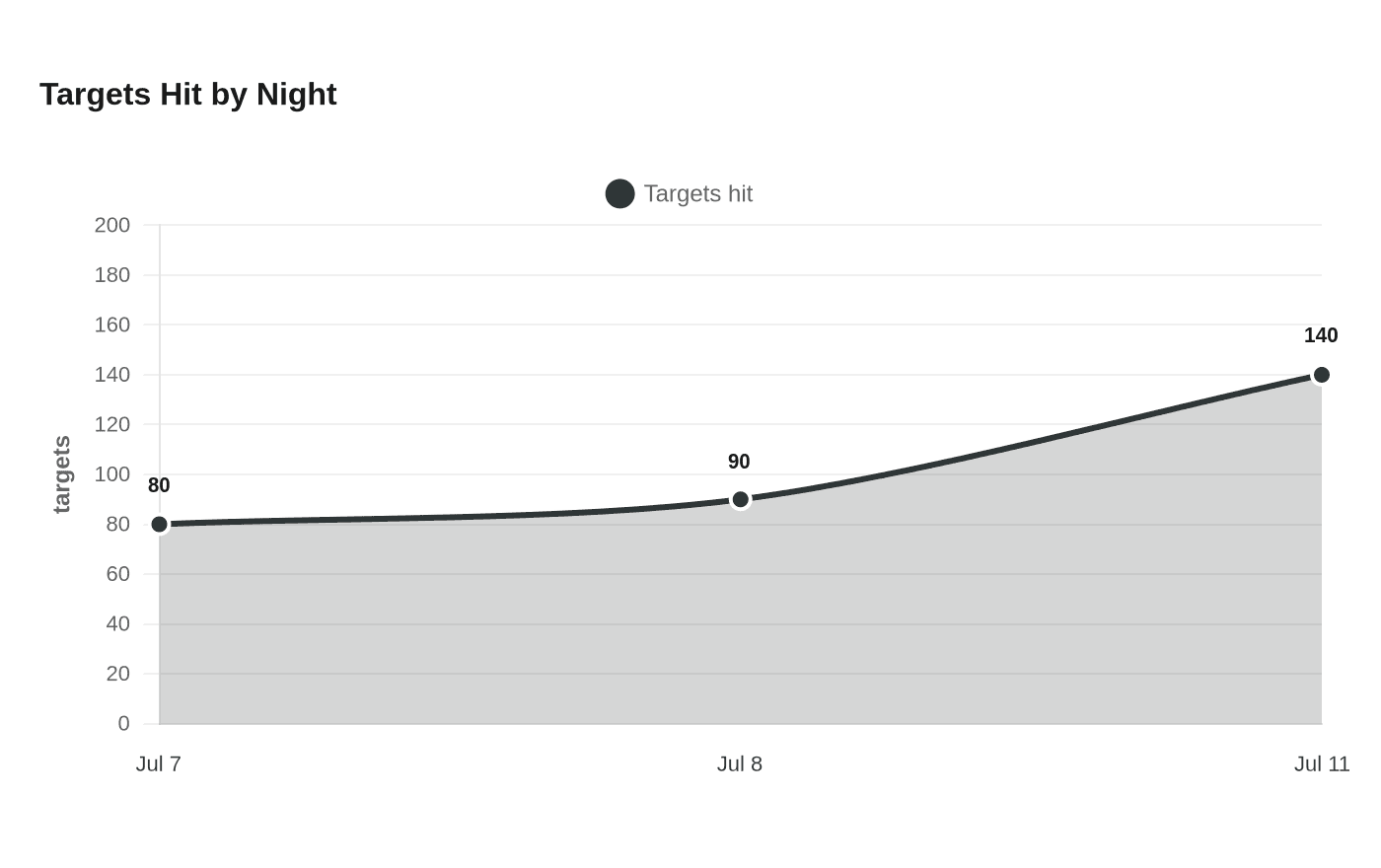
U.S. Central Command said the military completed a third consecutive night of strikes on Iran on July 11, hitting about 140 Iranian military targets and pushing the three-night total past 300. The latest wave used land- and sea-based fighter aircraft, drones and naval vessels, extending a campaign that began with more than 80 targets on July 7 and about 90 on July 8.
The targets were spread across Iran’s missile and drone sites, naval capabilities, ammunition storage facilities, communication networks and coastal surveillance locations. On July 7, the command said more than 60 Islamic Revolutionary Guard Corps small boats in and near the Strait of Hormuz were also struck, a sign that the operation has moved beyond isolated retaliation and into a sustained effort to reduce Iran’s reach in the waterway.
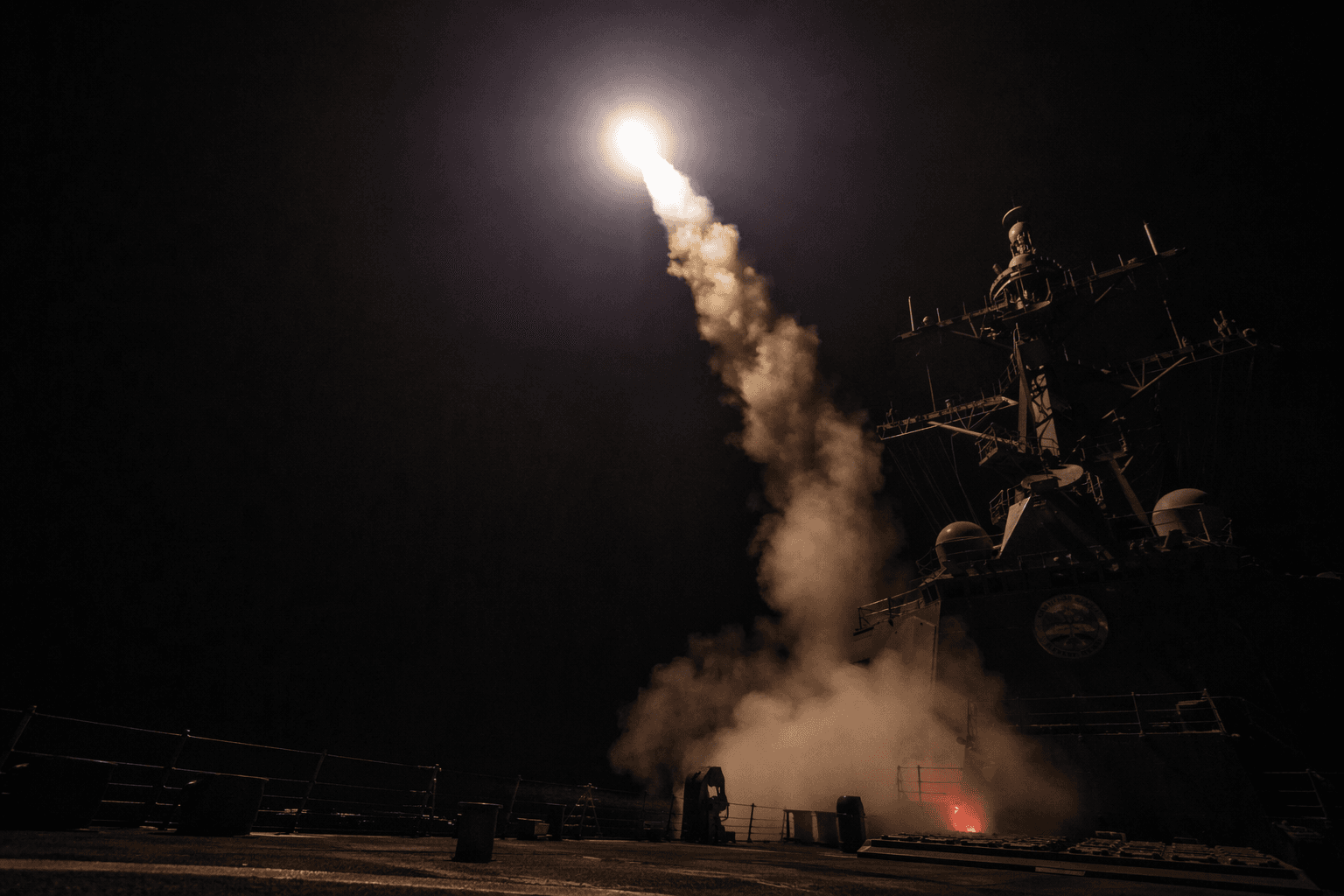
CENTCOM said the strikes were a response to Iranian attacks on commercial shipping in the Strait of Hormuz and were intended to degrade Iran’s ability to attack civilian mariners and commercial vessels. That objective carries clear economic consequences: the strait remains one of the world’s most important energy chokepoints, and CENTCOM said commercial transits continued even as the strikes intensified. Since early May, U.S. forces have helped facilitate the passage of more than 800 commercial vessels carrying 400 million barrels of crude oil through the waterway.
The three-night barrage came after Donald Trump vowed to hit Iran hard, underscoring how quickly the confrontation has escalated from maritime harassment to direct strikes on Iranian military infrastructure. The broader risk now extends well beyond the targets already hit. As the campaign widens around the Strait of Hormuz, the danger rises for U.S. personnel helping protect shipping lanes, for commercial fleets moving through the region, and for Gulf states that depend on uninterrupted transit.
A broader war would be signaled by retaliation that reaches beyond the strait, especially attacks on U.S. forces or sustained strikes on commercial shipping that force a wider American military response. For now, the pattern is unmistakable: Washington is answering Iranian pressure on shipping with more frequent, more expansive strikes, and the Strait of Hormuz has become the central front in the confrontation.
This article was produced by Prism’s automated news system from verified source data, official records, and press releases, then run through automated quality and moderation checks before publishing. The system is built and supervised by the people who set the standards it runs under. Read our full AI policy.
Did this article answer your question?