Russian missile strike hits Kyiv, sparks fires across capital
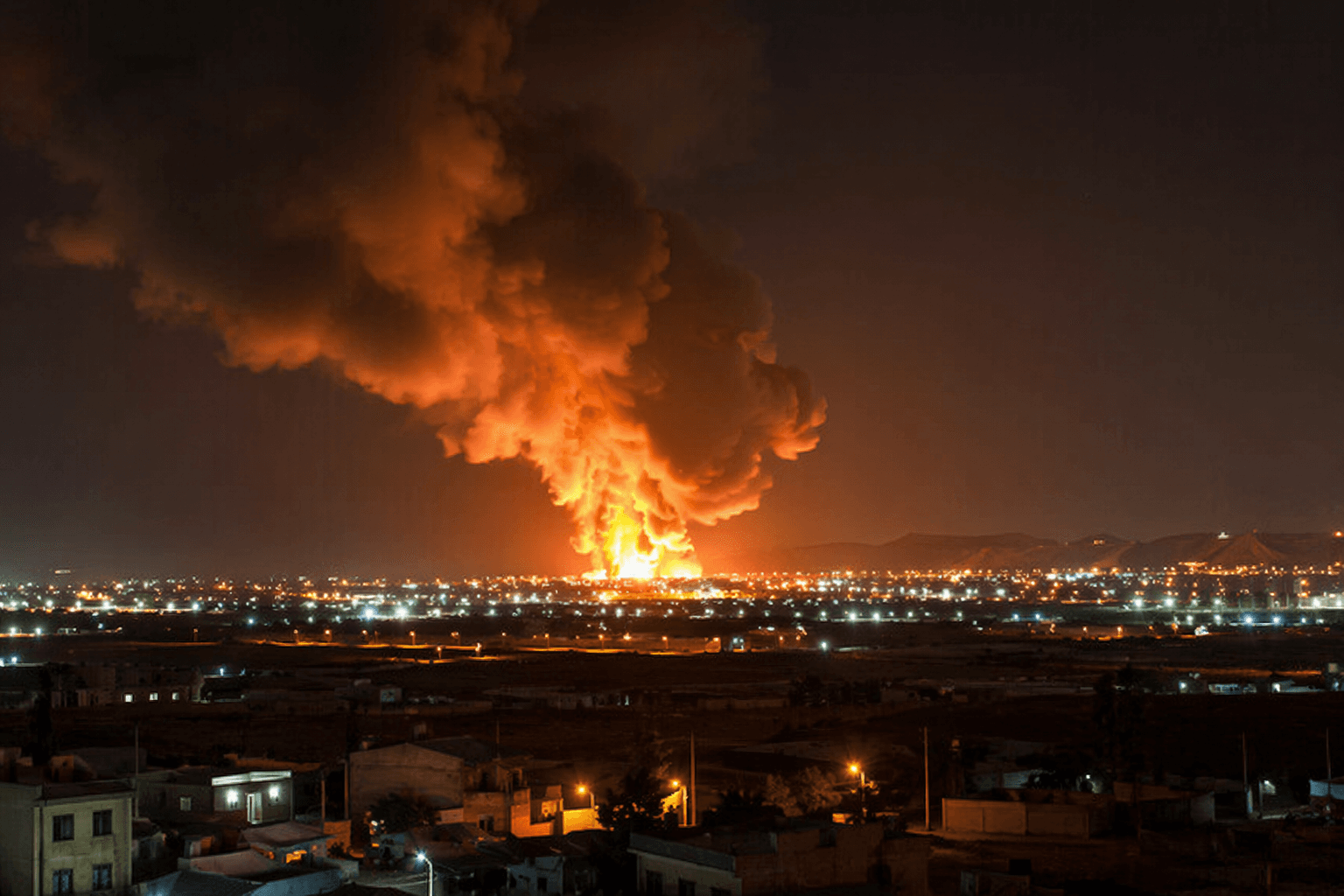
Fires broke out in Kyiv’s Holosiivskyi district and an eastern suburb after explosions shook the capital, though the 50-minute air alert ended with no casualties.
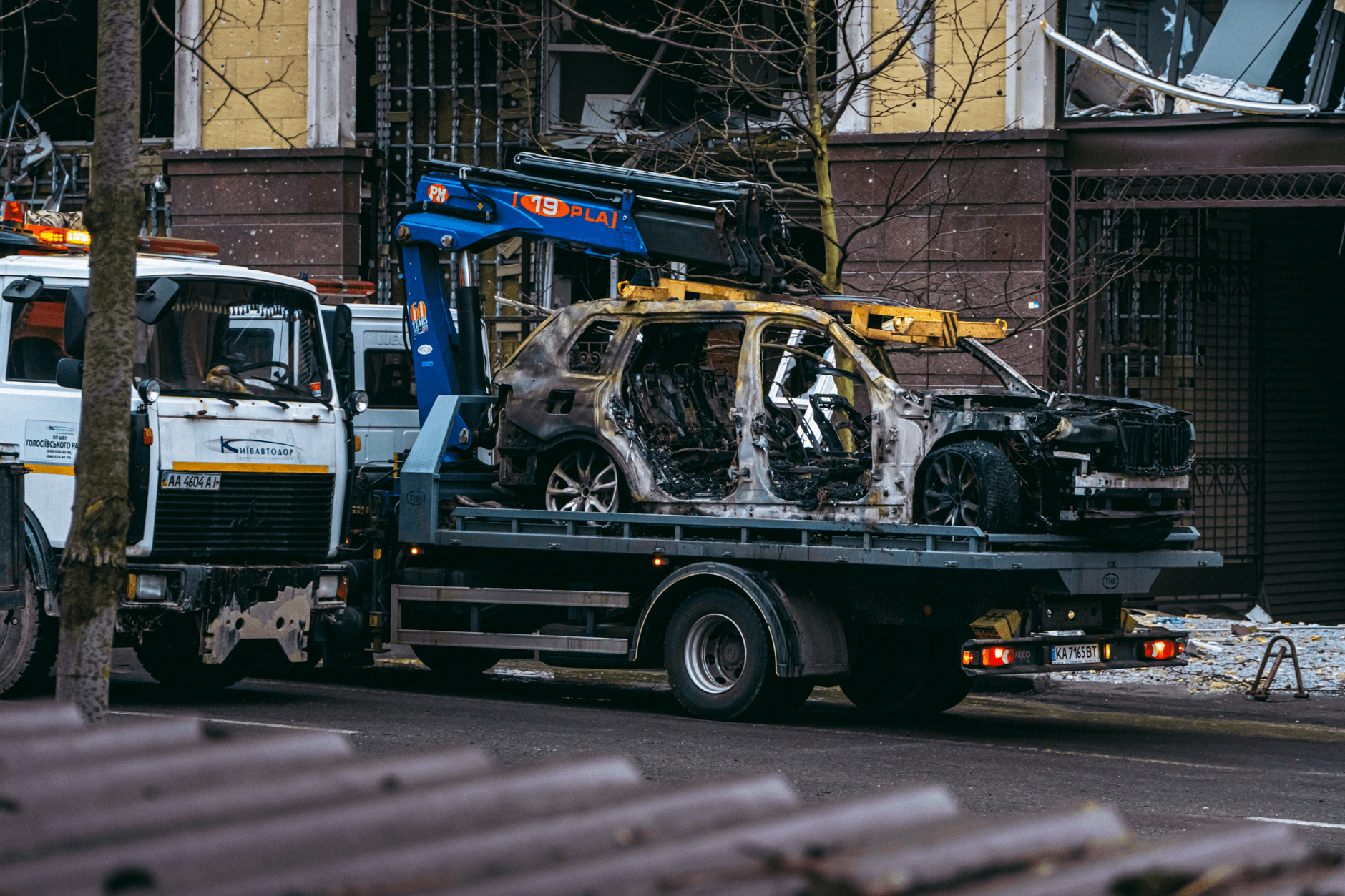
Russian missiles and drones hit Kyiv early Tuesday, setting off fires in the Holosiivskyi district and an eastern suburb after residents heard several explosions across the capital. The air alert lasted about 50 minutes, and no casualties were reported, but the strike again forced city officials and emergency crews into a fast-moving response to contain fires, debris and secondary damage.
Tymur Tkachenko, head of the Kyiv City Military Administration, said two storage areas were hit and set on fire in Holosiivskyi, just outside the city center. Mayor Vitali Klitschko said drone debris fell in an open area in the eastern part of the city and cars were set ablaze. The damage was spread across widely separated districts, a sign that the overnight assault was not confined to a single target and that even a relatively short attack can ripple through civilian neighborhoods, storage sites and roads.
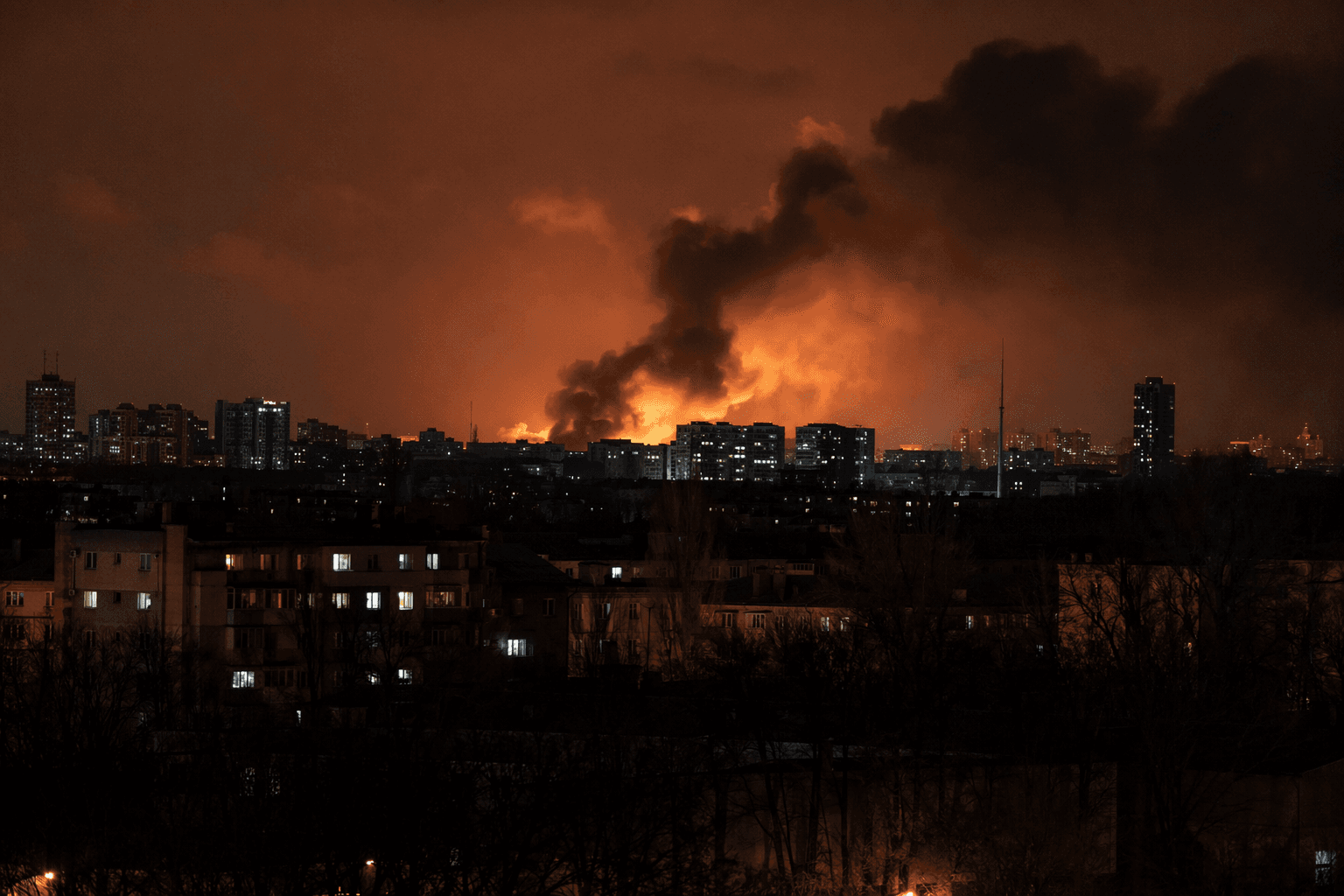
Reuters witnesses described several explosions as the attack unfolded, underscoring how quickly normal life in Kyiv can be interrupted even when the immediate toll is not measured in deaths or injuries. The strikes came amid continued Russian pressure on Ukrainian cities, where repeated missile and drone attacks have kept officials on alert and forced residents to treat every siren as a real threat to homes, vehicles and local businesses.
The broader pattern is a war of endurance as much as front-line movement. Kyiv has faced a sharp escalation in Russian long-range attacks in recent days, including one major barrage that killed at least 22 people and exposed gaps in Ukraine’s air defenses. Ukrainian officials and allies have been pressing for more Patriot interceptor missiles and stronger air-defense support, after earlier July strikes highlighted the limits of what the Ukrainian Air Force could stop.
The pressure was not limited to the capital. In Zaporizhzhia, Russian drones struck residential and other areas, injuring 11 people, while a separate drone attack outside Kharkiv injured six, according to regional governor Oleh Syniehubov. Together, the attacks showed a wider campaign aimed at keeping multiple Ukrainian cities under strain at the same time, stretching emergency services, air defenses and public confidence with each new wave.
This article was produced by Prism’s automated news system from verified source data, official records, and press releases, then run through automated quality and moderation checks before publishing. The system is built and supervised by the people who set the standards it runs under. Read our full AI policy.
Did this article answer your question?