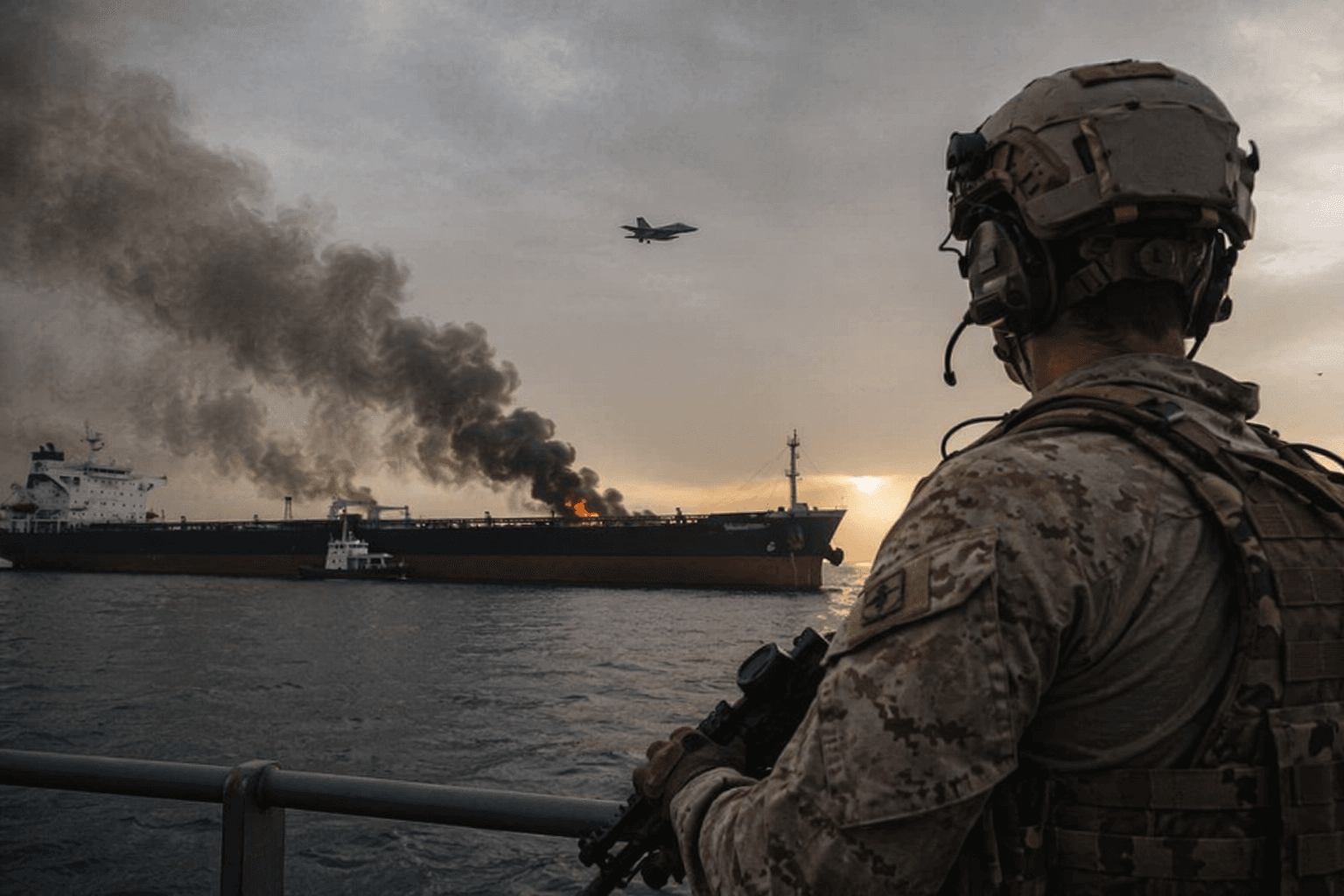
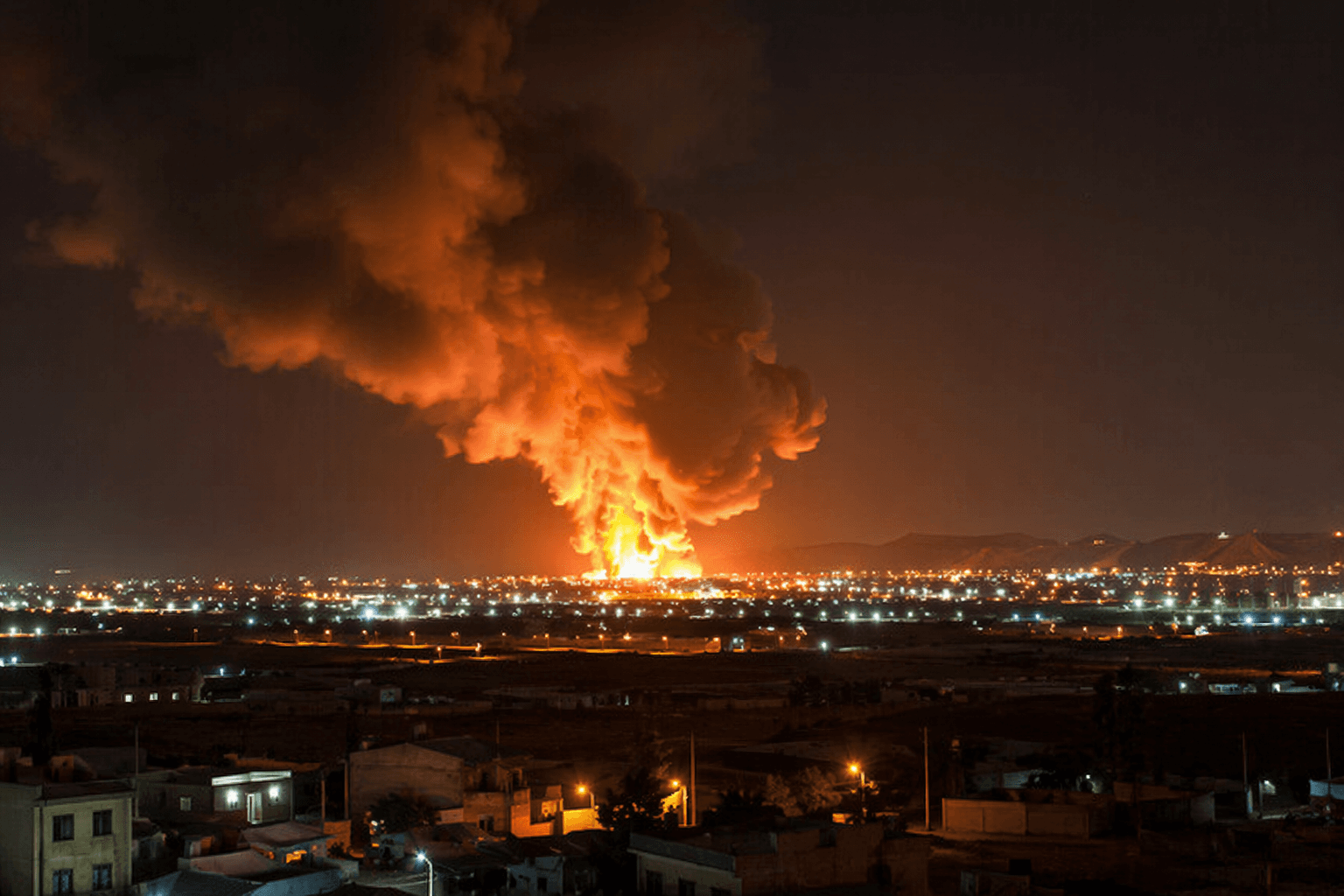
US launches third night of strikes on Iran, reimposes Hormuz blockade
U.S. strikes hit an Iranian submarine as Trump reinstated a Hormuz blockade, adding a 20% cargo charge to a chokepoint carrying 20 million barrels a day.
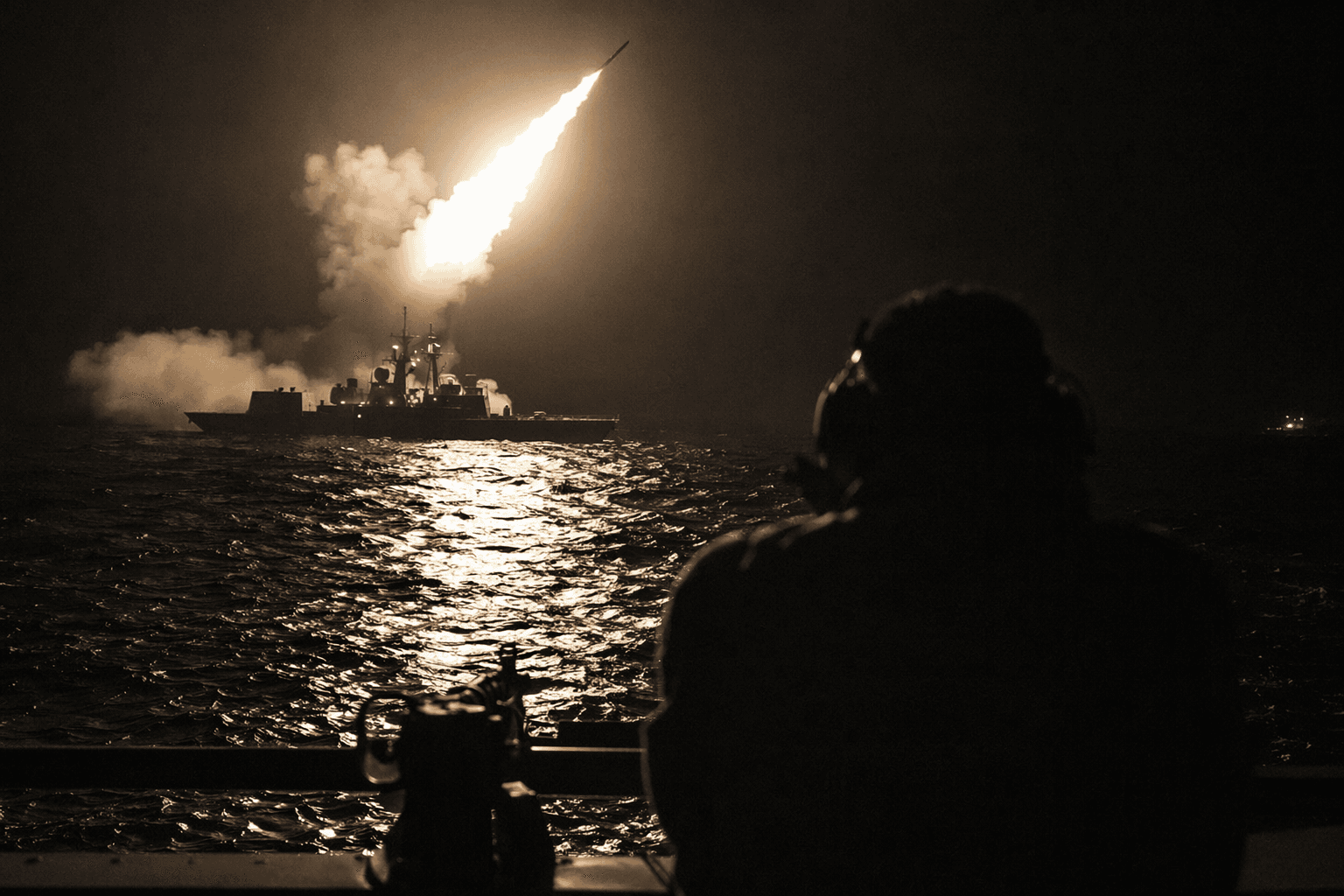
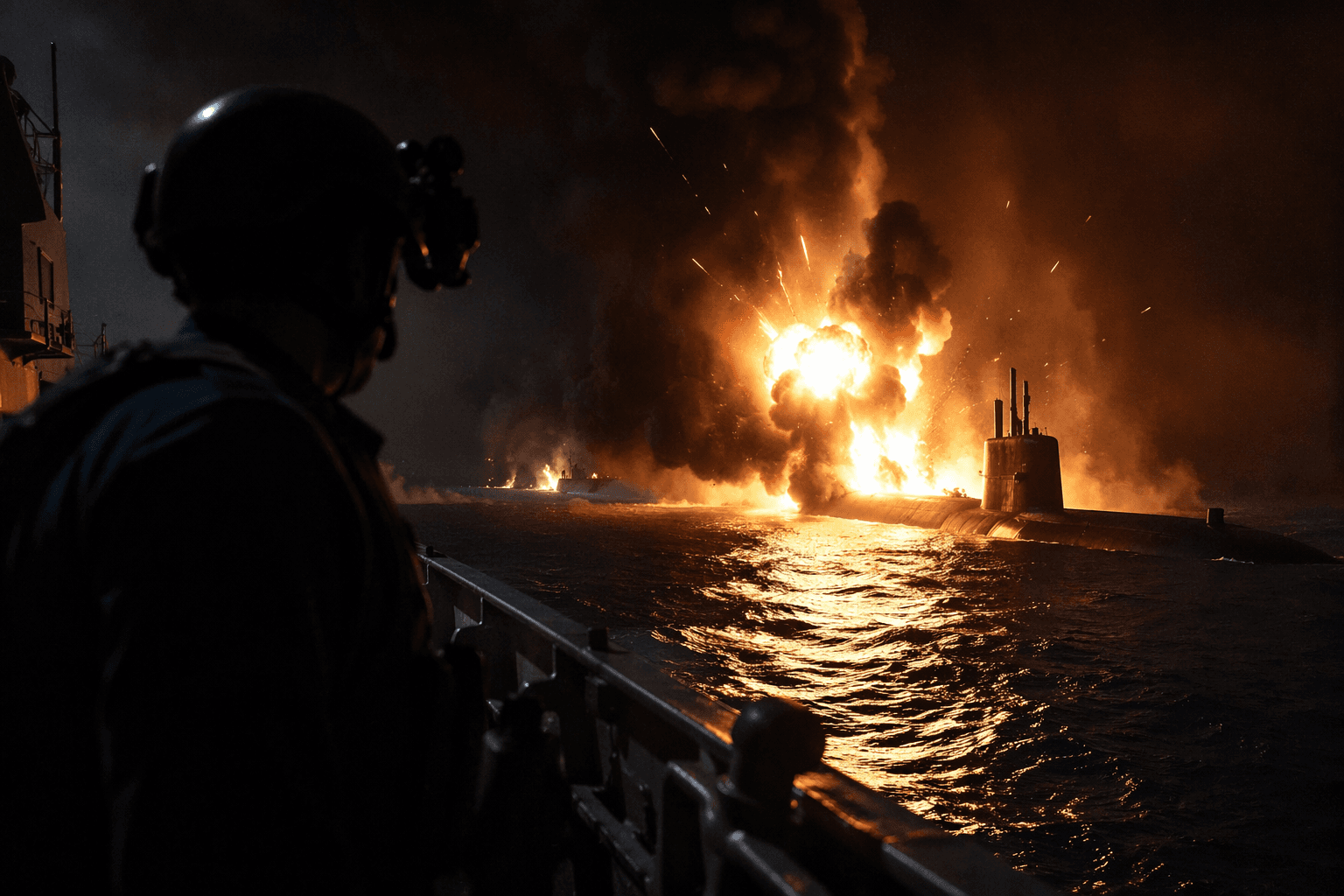
U.S. Central Command said the third consecutive night of strikes on Iran began at 2045 GMT on Monday as Washington sharpened pressure on the Islamic Republic and its shipping lanes. Reuters reported that U.S. forces hit an Iranian submarine and a ship maintenance facility with one-way attack drones, part of a campaign the military said was meant to degrade Iran’s ability to keep targeting commercial shipping.
President Donald Trump said the United States was reinstating its blockade of Iranian shipping in the Gulf and would keep the Strait of Hormuz open, while also imposing a 20% charge on all cargo shipped through the waterway. The timing of the order was unclear from the public statements: Trump described the move as immediate, while earlier U.S. messaging said the blockade would resume Tuesday at 4 p.m. ET. That gap leaves open questions about how the fee would be collected, who would enforce it, and how ships would be handled in a narrow strait already under military pressure.
The stakes are immediate for oil markets, shipping costs and consumer prices. The U.S. Energy Information Administration says about 20 million barrels per day passed through the Strait of Hormuz in 2024, equal to roughly one-fifth of global petroleum liquids consumption. The International Energy Agency says the passage is only 29 nautical miles wide at its narrowest point, making it one of the world’s most vulnerable energy chokepoints. Any sustained disruption there would ripple quickly through tanker insurance, freight rates and fuel costs far beyond the Gulf.
Iran has already moved to contest the pressure. Reuters reported that Foreign Minister Abbas Araghchi said Iran would remain the guardian of the strait, after saying it would not allow the United States to interfere in its management. Reporting also said Iran had closed the waterway to unauthorized vessels, traffic remained restricted, and ship-tracking showed only a small number of vessels still moving through. The confrontation is unfolding while the United States and Iran are already exchanging missile and drone attacks, raising the risk that a shipping dispute could spill into a wider military crisis within days.
This article was produced by Prism’s automated news system from verified source data, official records, and press releases, then run through automated quality and moderation checks before publishing. The system is built and supervised by the people who set the standards it runs under. Read our full AI policy.
Did this article answer your question?