Rubio to host Israeli, Lebanese ambassadors in ceasefire push
Rubio was set to bring Israeli and Lebanese ambassadors into one room as strikes in southern Lebanon kept killing and Hezbollah rejected the talks.
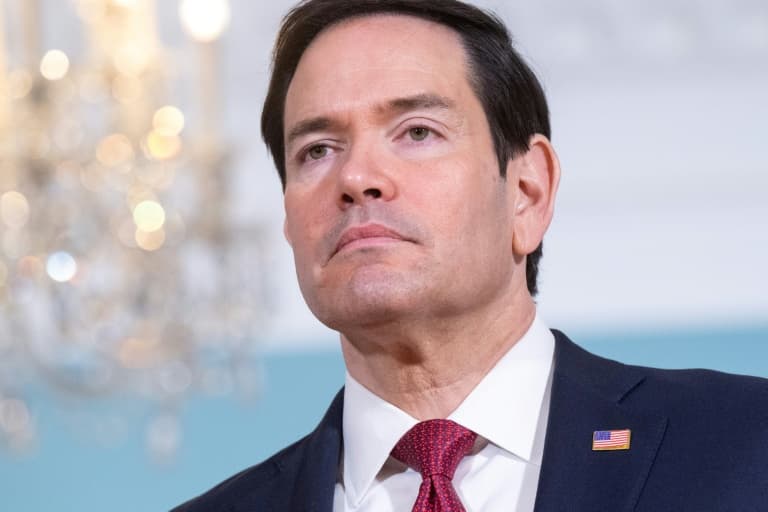
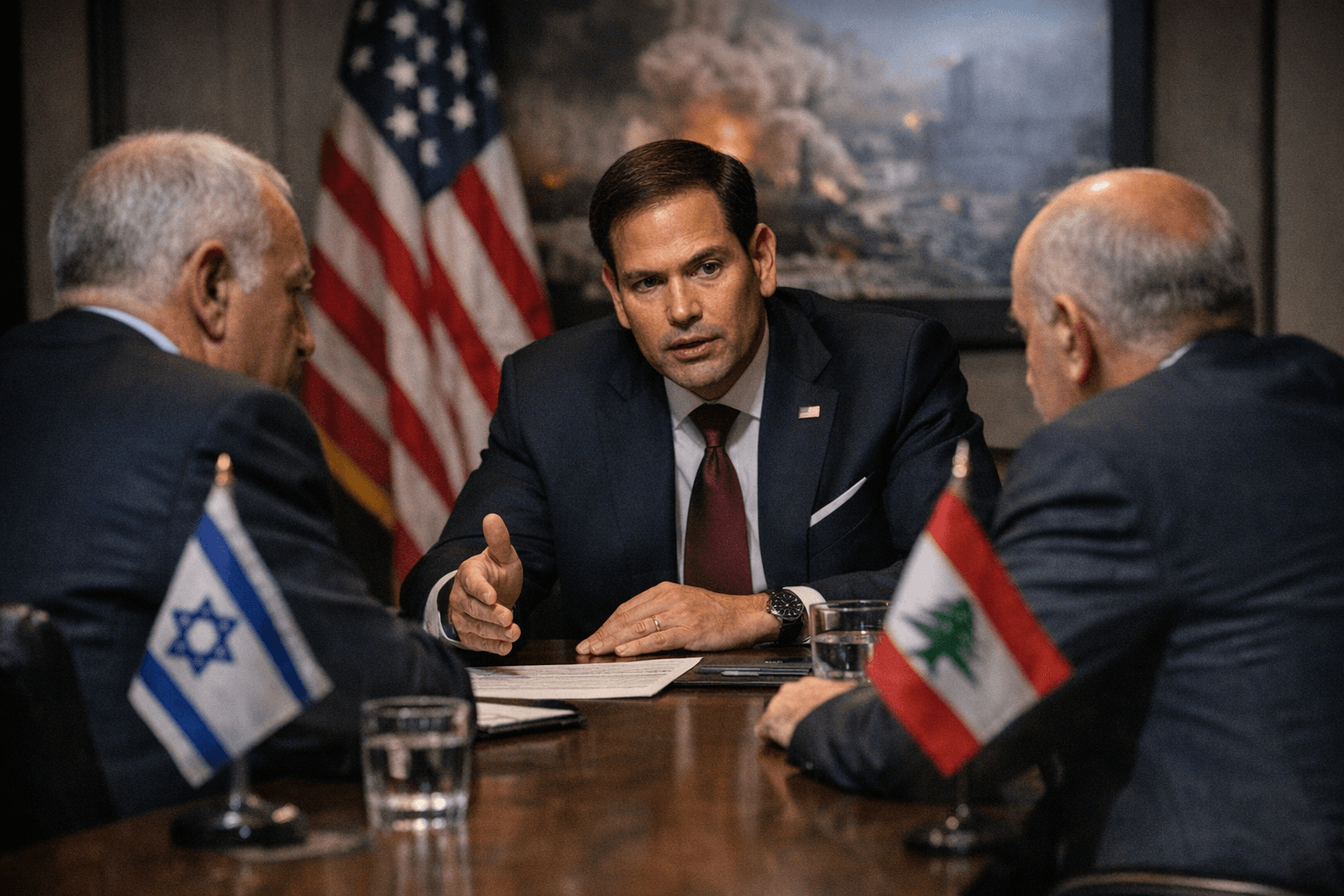
The question in Washington was whether Marco Rubio could turn a fragile border calm into a durable diplomatic mechanism between Israel and Lebanon. Rubio was set to host the Israeli and Lebanese ambassadors in Washington, D.C., Tuesday, in the first direct face-to-face contact between the two sides in decades as the U.S. pushed for a ceasefire after months of fighting between Israel and Hezbollah and an Israeli ground invasion in southern Lebanon.
What made the meeting different from earlier ceasefire efforts was its format. Direct ambassador-level talks replaced the usual round of intermediaries, with Israel’s ambassador to the United States, Yechiel Leiter, expected to play a leading role for the Israeli side. Leiter’s background as a veteran of the 1982 Lebanon War added symbolism to a meeting meant to slow a conflict rooted in the same border zone. The diplomatic contact was also being described as the first direct phone call between Lebanese and Israeli representatives since 1983, a sign that a channel long frozen by war had reopened at the highest practical level short of formal negotiations.
On the ground, the benchmarks remained brutally concrete. Recent Israeli attacks in southern Lebanon killed at least 10 people, including three emergency workers, even as diplomats prepared to sit down in Washington. Israeli officials said they did not expect a ceasefire with Hezbollah before broader conditions were addressed, signaling that any agreement would likely depend on security arrangements, military restraint and enforcement rather than a simple announcement. For Washington, the test was not whether a photo opportunity could be staged, but whether violence in southern Lebanon could be reduced enough to hold.
The political resistance was equally clear. Hezbollah chief Naim Qassem urged Lebanon to cancel or avoid the talks, said negotiating with Israel under fire amounted to surrender, and vowed continued fighting “without limits.” Hezbollah has also said it would not abide by any agreement reached in the talks, and Qassem cast the planned meeting as a bid to pressure the group into laying down its weapons. He called on Lebanon to take a “historic and heroic stance” by backing away from the meeting.
That left the United States with influence, but not command. Rubio’s role showed that Washington could still convene both sides and press for a pause in a conflict that has widened across the Israeli-Lebanese frontier. Yet the talks also exposed the limits of that leverage: Hezbollah was openly rejecting the process, Israel was not signaling readiness for a clean ceasefire, and the broader U.S.-Iran diplomatic track hovered over the effort. If the meeting produced anything durable, it would have to be measured by whether strikes slowed, civilians stopped dying and both sides found a way to step back from a war that has already crossed too many red lines.
This article was produced by Prism’s automated news system from verified source data, official records, and press releases, then run through automated quality and moderation checks before publishing. The system is built and supervised by the people who set the standards it runs under. Read our full AI policy.
Did this article answer your question?


