Rupee under pressure as U.S. yields rise and oil spikes on Iran conflict
India’s currency slid toward a fresh low as U.S. yields climbed and Brent jumped above $111, raising both import costs and inflation pressure.
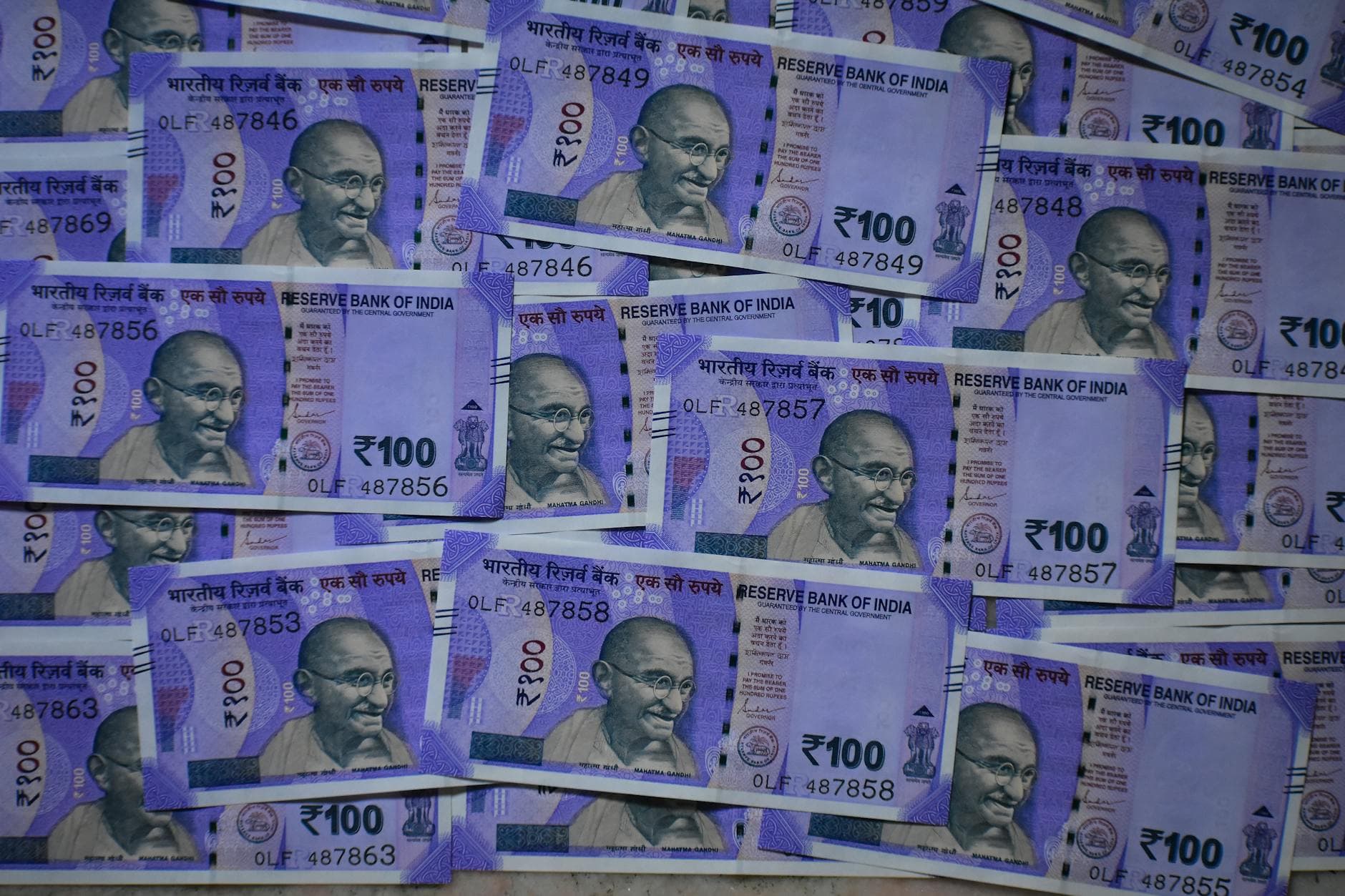
The rupee entered the week under a double squeeze: higher U.S. Treasury yields pulled capital toward the dollar, while a spike in oil prices intensified pressure on India’s import bill and inflation outlook. Traders in Mumbai expected the currency to open in the 96.08 to 96.12 range against the dollar after closing at 95.9650 on Friday, with the rupee having already touched an all-time low of 96.1350.
The trigger was a sharp shift in global risk sentiment. The 10-year U.S. Treasury yield rose four basis points to 4.6250% on Monday, extending a 14-basis-point jump on Friday, while Brent crude climbed nearly 2% to $111.34 a barrel as diplomatic efforts to ease the U.S.-Iran conflict stalled. The dollar index advanced to 99.40, the Indonesian rupiah fell more than 1%, and regional equity markets weakened alongside U.S. futures, signaling a broad move into safety assets.
For India, the timing was especially painful. The country imports a large share of its crude needs, so every increase in oil prices feeds directly into the trade deficit and raises the cost of fuel imports. Reuters-linked reporting said India’s crude oil basket averaged more than $114 a barrel last month, roughly 61% higher than a year earlier, a swing large enough to strain the current account and lift imported inflation across transport, logistics and consumer goods.
The rupiah’s slide has not been a one-day event. Reuters reported on May 13 that the currency had fallen to 95.7050 per dollar and had lost more than 5% since the Iran war began, making it Asia’s worst-performing currency in 2026 so far. By Monday, Trading Economics showed USD/INR at 96.2650, underscoring how far the market had moved against the Indian currency as the Middle East conflict deepened.

Market participants said the Reserve Bank of India likely stepped in late Friday to steady the rupee and push it back above the 96 level, extending a pattern of active intervention that has included frequent market operations and regulatory curbs. Alok Singh, head of treasury at CSB Bank, said the West Asia war had become a crisis and was increasingly showing up in the rupee.
The broader economic risk is that India now faces a weaker currency and dearer oil at the same time. The prolonged U.S.-Iran war has effectively shut the Strait of Hormuz, worsening India’s macroeconomic outlook and current account balance. That leaves the Reserve Bank of India with less room to maneuver: defending the currency, containing inflation and supporting growth are becoming harder to balance as external pressure builds.
This article was produced by Prism’s automated news system from verified source data, official records, and press releases, then run through automated quality and moderation checks before publishing. The system is built and supervised by the people who set the standards it runs under. Read our full AI policy.
Did this article answer your question?