Russia and Ukraine swap 205 prisoners in U.S.-brokered deal
Russia and Ukraine each freed 205 prisoners in a ceasefire-linked swap. Most of the Ukrainians had been held since 2022, and both sides also exchanged bodies.

Ukraine and Russia each released 205 prisoners on Friday in one of the clearest tangible results yet from a U.S.-brokered effort to slow the war. The swap, tied to a May 9 to May 11 ceasefire, was the first stage of a broader agreement under which Kyiv and Moscow have said they will exchange 1,000 prisoners each.
Volodymyr Zelenskiy said 205 Ukrainians were home and posted images of returnees wrapped in Ukrainian flags. Most had been in Russian captivity since 2022, and Ukraine’s military intelligence agency said many of the freed men had been captured during the defense of Mariupol, the southeastern port city that fell to Russian forces that year. Ukraine also said several dozen officers were among those released, while its prisoners of war affairs organization said the group included 202 enlisted men and three officers.
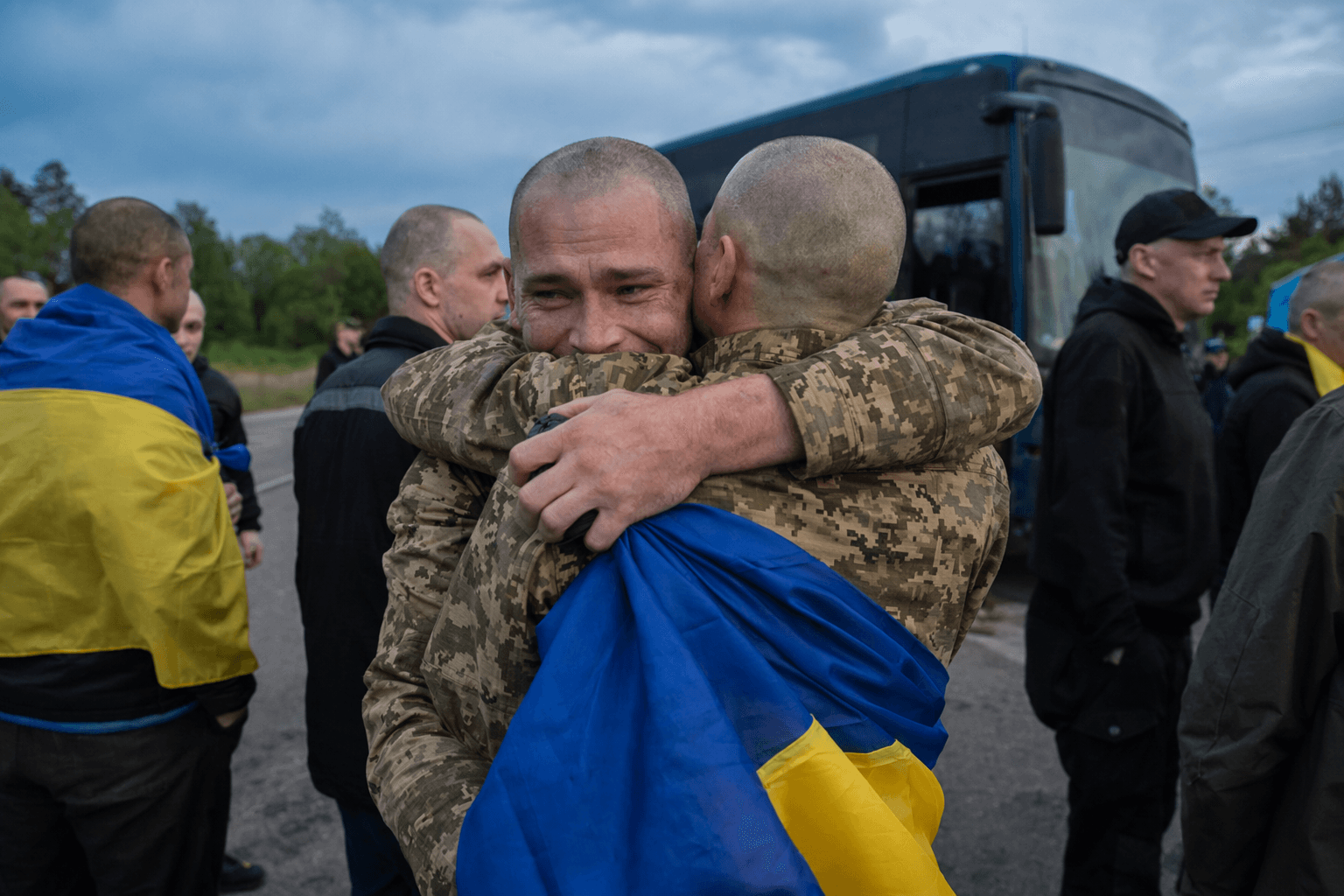
The exchange showed that prisoner swaps remain one of the few functioning channels between the two sides even as broader peace talks have stalled. Reuters has described such swaps as among the main concrete outcomes of diplomacy between Moscow and Kyiv. The latest release was also the fifth prisoner exchange this year and the 64th since the full-scale war began, underscoring how often the two governments have relied on these limited arrangements while fighting has continued across the front.
Yevhen Yeremenko, one of the returning servicemen, said the exchange had taken too long and urged that the remaining captives not be forgotten. That human cost was mirrored by the other side of the deal: Russia said its servicemen were in Belarus receiving medical and psychological support after the handover.
The swap also covered the dead. Russia sent 526 bodies to Ukraine and received 41 in return, a grim reminder that the war’s only steady movement often comes in prisoner convoys and refrigerated trucks, not in peace negotiations. Both governments thanked the United Arab Emirates for helping mediate the exchange.
The release came just hours after the ceasefire window ended and after Russia launched what was described as its longest and largest aerial attack on Ukraine, firing more than 1,500 drones and dozens of missiles and killing more than 30 people in Kyiv and other cities. The contrast was stark: a rare humanitarian breakthrough on one track, and a widening assault on another. For now, the prisoner exchange points less to a peace process gaining traction than to a narrow humanitarian exception that still survives amid the war’s escalation.
This article was produced by Prism’s automated news system from verified source data, official records, and press releases, then run through automated quality and moderation checks before publishing. The system is built and supervised by the people who set the standards it runs under. Read our full AI policy.
Did this article answer your question?